


A fresh community poll on Galaxy S26 preorder intentions points to a stark split: most early buyers either want the Ultra or they’re sitting this round out. The Ultra commanded 41% of votes, while 40% said they won’t preorder any model. The standard Galaxy S26 drew 12% and the S26 Plus just 6%, underscoring how preorder enthusiasm concentrates at the very top—or nowhere at all.
A Split Decision With A Clearly Defined Favorite
The results tell a simple story. Among those ready to move quickly, the Ultra towers over its siblings. Meanwhile, a nearly equal share of voters prefers to wait, skip preorders, or avoid the upgrade altogether. That leaves the base and Plus models as distant also-rans in the preorder phase, even if they may perform better once discounts, carrier promos, and retail bundles kick in.
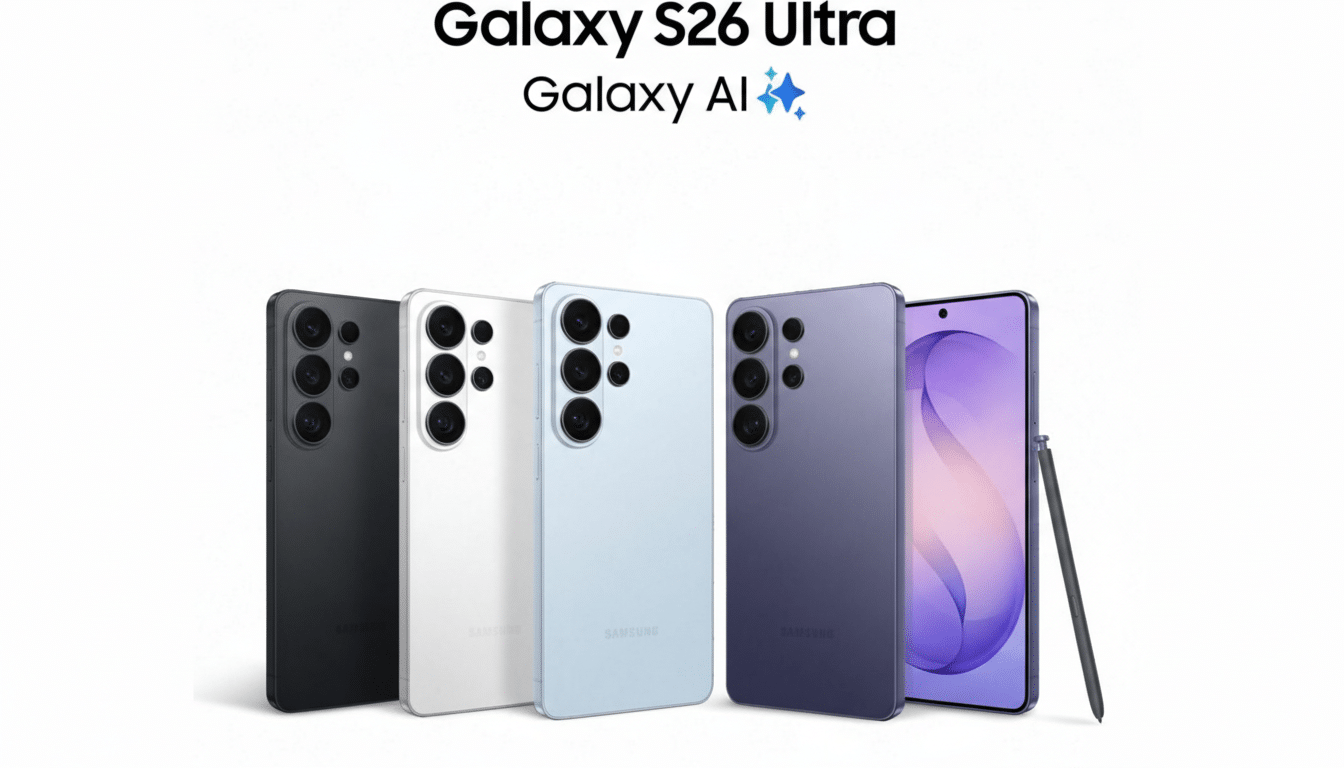
Preorder polls skew toward enthusiasts—buyers who value cutting-edge specs, exclusive features, and first-day delivery. For that crowd, the question often isn’t which model to buy, but whether to go all-in. The data here reflects that mindset perfectly.
Why The Ultra Dominates Early Preorder Intent
Three dynamics likely explain the Ultra’s edge. First, silicon. Recent generations have split chipsets across the lineup, with the Ultra commonly landing a top Snapdragon configuration in many regions while other models lean on a different platform. Early chatter suggests that pattern could continue, keeping the Ultra as the default pick for performance purists.
Second, hardware differentiation. The Ultra line typically packs the most advanced camera system, superior zoom, premium materials, and S Pen support. Those marquee extras resonate most with early adopters who want visible, daily benefits from a new flagship.
Third, incentives. Preorder promotions like enhanced trade-ins, storage upgrades, and accessory bundles tend to deliver the biggest absolute dollar value on the priciest model. That math nudges fence-sitters up the stack when they do decide to commit.
What The Holdouts Might Be Waiting For Next
The nearly 40% opting out of any preorder aligns with market realities. Global research firms such as IDC have tracked lengthening smartphone replacement cycles, as buyers keep devices longer thanks to durable hardware, maturing performance, and serviceable cameras across price tiers. Without a headline-grabbing leap in capability, many consumers wait for post-launch discounts or richer carrier credits.

Another factor is price sensitivity. With flagship average selling prices inching upward in recent years, value-focused buyers often time upgrades around seasonal sales. If the S26 family is evolutionary rather than revolutionary, that group will likely sit tight for the first meaningful price drop—or chase clearance pricing on the S25 series instead.
A Pattern Backed By Past Galaxy Generations
The Ultra’s preorder lead isn’t an outlier. Industry trackers like Counterpoint Research have noted that Ultra-tier models captured a commanding share of early sales in recent Galaxy cycles, indicating sustained appetite for the most premium option among first movers. It mirrors a broader flagship trend: top-end variants increasingly draw the loudest early demand, while mid-tier flagships find their groove once promotions mature.
The Plus, historically positioned as the middle child, seems particularly vulnerable in this dynamic. Its advantages over the base model can be subtle at launch, while its gap with the Ultra has widened on design materials, cameras, and exclusive features. In preorder season—when enthusiasts scrutinize every spec—those distinctions matter.
What It Means For Samsung And Early Shoppers
For the manufacturer, the takeaway is straightforward: front-load Ultra inventory and anchor marketing around its hero features. If the base and Plus are to gain mindshare early, they’ll need sharper narratives—battery endurance leadership, standout colors, or must-have software perks that don’t feel reserved for the top tier.
For buyers, the calculus is equally clear. If you crave maximum performance and the most advanced camera kit, the Ultra’s preorder incentives may be the most compelling they’ll be for months. If value is paramount, patience tends to pay off. Historical pricing patterns suggest that meaningful promotions arrive a few weeks after release, and trade-in values can spike during major retail events.
Bottom line: this poll signals a classic early-adopter split—go Ultra or wait. As launch approaches, watch how official specs, chipset allocations, and carrier deals evolve. Those details could pull some of the 40% of holdouts off the sidelines—or further cement the Ultra-first momentum we’re already seeing.
