


Samsung is turning a common streaming headache into a one-tap fix on the Galaxy S26. The company’s updated Audio Eraser now works inside third‑party apps, letting users boost spoken dialogue while watching shows and movies on services like Netflix and YouTube—no editing, no app switching, just clearer speech on demand.
Previously limited to select system apps, Audio Eraser’s expansion is part of Samsung’s broader AI push on the S26 lineup. It’s a practical upgrade, aimed squarely at a frustration nearly everyone has felt: whisper‑quiet lines buried under booming soundtracks and effects.
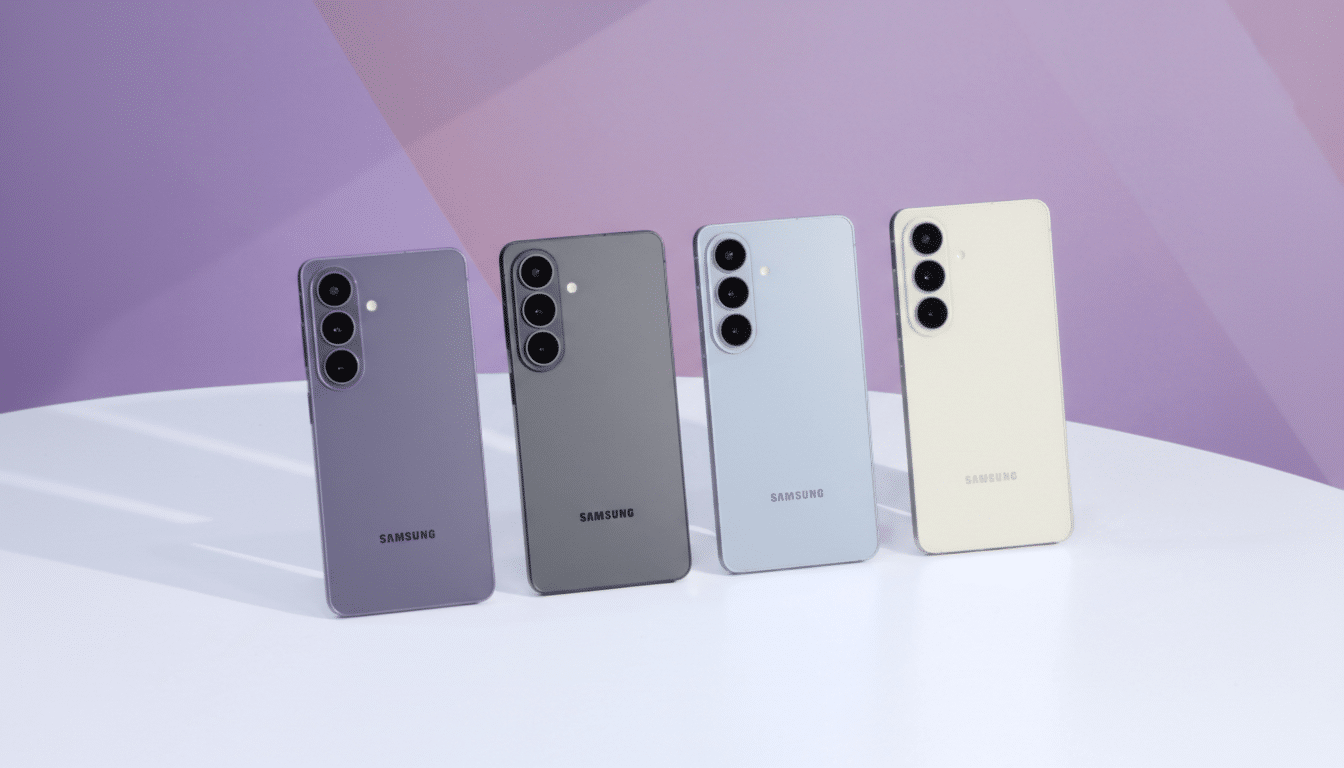
What Changed on the Galaxy S26 for Audio Eraser
On the S26, Audio Eraser can be toggled from Quick Settings and applies system‑wide, including in Netflix, YouTube, and other third‑party players. Instead of cleaning up only your own recordings, it now isolates and lifts voices in whatever you’re watching, in real time. That’s a meaningful leap from the S24 and S25, where the feature lived mostly in Samsung’s Gallery and a handful of native apps.
In practice, it functions like a dynamic “dialogue boost” that you control at the OS level. If a show’s mix is particularly murky, flick the switch and voices should step forward without pausing playback or digging through an app’s audio settings.
Why Dialogue Is Hard To Hear In Streaming Shows
Modern soundtracks are mixed with wide dynamic range to deliver cinematic impact. That’s great in a theater; on a phone or TV with small speakers, it often means dialogue gets masked by music and effects. Streaming services also follow loudness standards to keep overall volume consistent, but those targets don’t guarantee clear speech on consumer hardware.
Viewers have noticed. Surveys by research firms like YouGov have found a majority of people use subtitles at least some of the time, with usage skewing higher among younger audiences. Broadcasters have fielded recurring complaints about muddy speech in prestige dramas, and device makers have responded with their own fixes—from “Clear Voice” modes on TVs to speech‑enhancing soundbar profiles.
How Audio Eraser Works on the Galaxy S26 Device
Samsung says processing happens on the phone, not in the cloud. Under the hood, Audio Eraser likely uses a speech separation model trained to distinguish human voices from background layers, then selectively amplifies or attenuates frequency bands associated with speech. This kind of on‑device machine learning can improve intelligibility without dramatically changing the rest of the mix.
The S26’s Snapdragon Elite Gen 5 for Galaxy platform provides the local AI horsepower to run these models in real time, preserving privacy and keeping latency low. That also means the feature can work wherever audio plays, regardless of whether an app offers its own dialogue enhancement.

There are trade‑offs to watch for. Aggressive separation can occasionally introduce artifacts in busy scenes or pull ambience down too far, and musical sequences may sound a touch drier with the effect enabled. A granular intensity slider—if Samsung adds one—could help users fine‑tune the balance.
How It Stacks Up Against Other Solutions
Samsung’s approach differs from platform‑specific solutions. Amazon’s Prime Video offers Dialogue Boost on select titles, and Apple’s tvOS Enhance Dialogue improves speech when paired with HomePod. Those are excellent, but they depend on a particular app, device, or content track. By placing the control at the system level, the S26 applies a consistent fix across services, including Netflix, without waiting for studios or streamers to update mixes.
Google’s Pixel line popularized content cleanup with features like Audio Magic Eraser for user‑recorded clips, but that’s an editing workflow. Audio Eraser on the S26 is tuned for passive viewing—press play, toggle the tile, and dialogue rises above the fray.
The Bigger AI Story on the Galaxy S26 Lineup
Audio Eraser arrives alongside a refreshed Bixby and preloaded AI assistants like Gemini and Perplexity, signaling Samsung’s focus on tangible, everyday gains rather than novelty alone. Clearer speech is the kind of quality‑of‑life improvement that can sell a feature in seconds, especially for viewers who default to subtitles.
What to Watch Next for Samsung’s Audio Eraser Rollout
Samsung hasn’t confirmed whether the expanded Audio Eraser will reach earlier Galaxy models. Given its on‑device processing demands, the company may keep it S26‑exclusive, at least initially. It also remains to be seen whether Samsung will bring similar real‑time voice enhancement to tablets, laptops, or Galaxy Buds, where beamforming microphones and additional processing could further lift clarity.
If early tests match the promise, the S26’s Audio Eraser could become a default toggle for late‑night Netflix binges and noisy commutes alike—a rare AI feature that fixes a universal problem with one simple tap.
