


The road can turn silent in a second, and that silence carries more than the sound of brakes. A motorcycle accident does not just leave marks on metal. It leaves paperwork, hospital bills, insurance calls, and legal steps that many riders never expected to face. The physical shock may fade, but the legal process often feels heavier and longer than the crash itself.
After the first wave of confusion settles, many riders start thinking about filing a motorcycle injury claim because medical costs and lost income begin to stack up quickly. The legal side of a crash is not about drama or courtroom scenes. It is about rights, proof, responsibility, and making sure the injured rider is not left carrying the financial burden alone. This is where the path from impact to recovery truly begins.
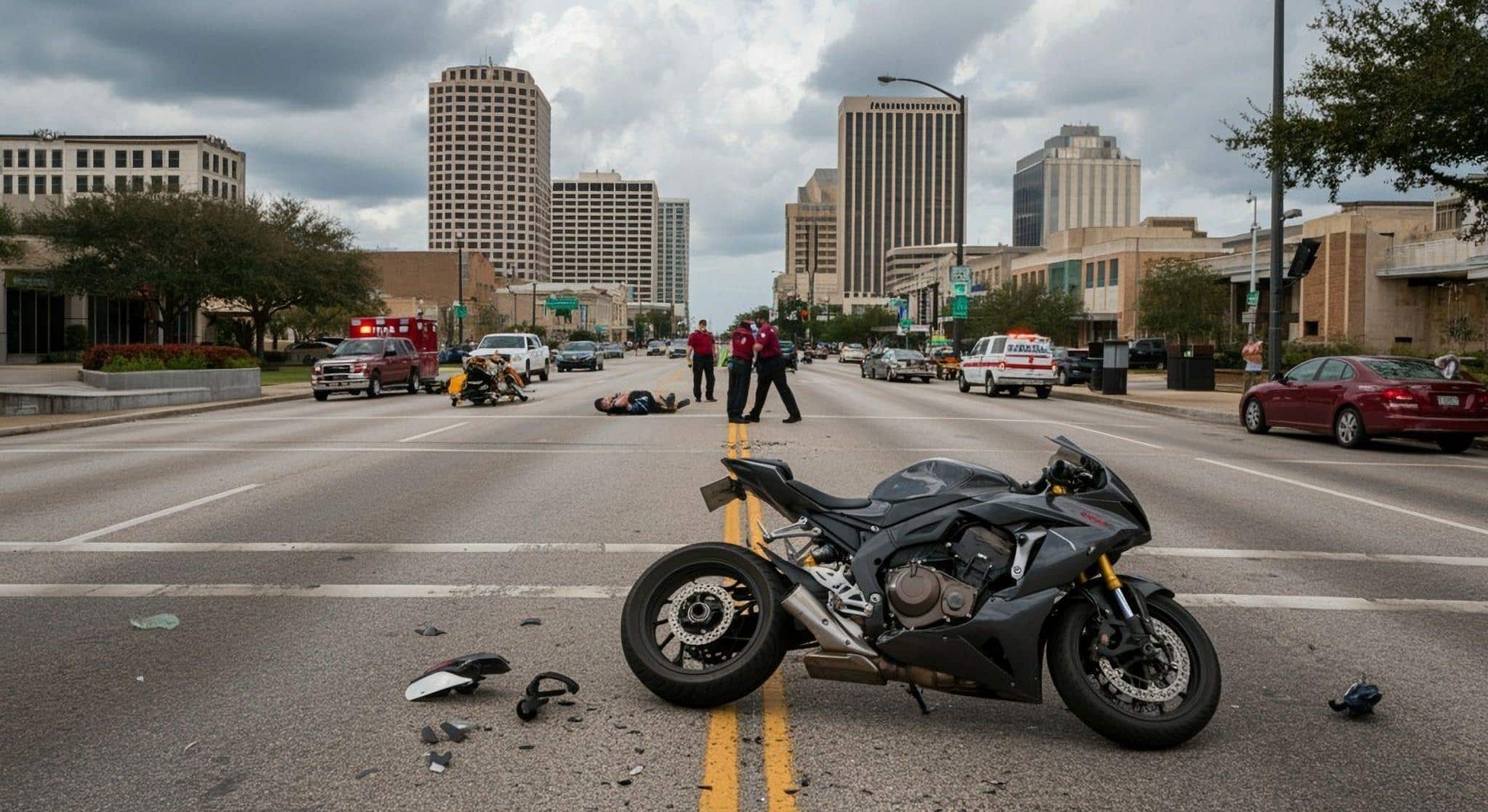
The First Legal Steps After the Crash
The law starts working from the very day the accident happens. Police reports, medical records, and witness details become the foundation of any case. These records are not just formalities. They are the building blocks that show what happened, who was involved, and how serious the injuries are.
Seeking medical care right away is not only important for health but also for legal protection. Insurance companies often look closely at the timing of treatment. Delays can be used to argue that injuries were not serious or were caused by something else. Keeping copies of hospital visits, prescriptions, and therapy sessions helps create a clear timeline.
Communication also matters. Riders should be careful while speaking to insurance adjusters. Statements made too quickly or without full understanding can affect the outcome of a claim. It is wise to stick to the facts and avoid guessing or accepting blame before all details are reviewed.
Understanding Fault and Liability
Motorcycle accidents are often misunderstood. There is a common belief that riders take more risks, and this bias sometimes shows up in insurance discussions. However, the law focuses on evidence, not assumptions.
Fault is decided by examining traffic laws, road conditions, vehicle damage, and witness statements. In some cases, another driver may have failed to yield, changed lanes without checking blind spots, or ignored traffic signals. In other situations, poor road maintenance or defective vehicle parts may share responsibility.
Many states follow comparative fault rules. This means that even if a rider is partly responsible, they may still recover compensation, although the amount could be reduced based on their share of fault. Understanding this principle is important because it shapes how settlement discussions move forward.
An experienced legal professional studies accident reports, reviews medical evaluations, and may even work with accident reconstruction experts. The goal is to build a clear picture that supports the injured rider’s position with facts rather than emotion.
Calculating the True Cost of Injury
Recovery is not only about healing bones or stitches. It also includes the financial impact that follows. Medical bills are usually the first concern, but they are not the only one.
Compensation in motorcycle accident cases can include:
- Emergency room and hospital expenses.
- Ongoing treatment and rehabilitation costs.
- Lost wages and reduced earning ability.
- Pain and suffering.
- Property damage to the motorcycle.
Each category requires proof. Pay stubs show lost income. Medical records confirm treatment. Expert opinions may explain long-term effects that are not visible right away.
Insurance companies often offer quick settlements. These offers may look helpful at first, especially during financial stress. Yet early offers sometimes fail to consider future medical care or lasting limitations. Accepting a settlement too soon can close the door on additional compensation later.
Careful evaluation ensures that the final amount reflects the real cost of the injury, not just the immediate bills.
Negotiation, Settlement, and Court
Most motorcycle injury cases are resolved through negotiation rather than trial. Attorneys present evidence to the insurance company and argue for fair compensation. This stage may involve several rounds of discussion before reaching an agreement.
Patience plays a key role here. Rushing the process can lead to lower settlements. A well-prepared case gives leverage during negotiations because it shows readiness to take the matter to court if needed.
If a fair agreement cannot be reached, filing a lawsuit may become necessary. Court proceedings follow structured steps such as discovery, depositions, and possibly a trial. While this may sound intimidating, many cases still settle before reaching a final verdict.
Closing the Road
Legal recovery is a process of turning chaos into order. It requires records, patience, and steady guidance. Riders who understand their rights are better prepared to handle insurance tactics and legal procedures with confidence.
Choosing the right support can make the path smoother and more secure. Professional advice helps ensure that filing a motorcycle injury claim is done with care, backed by evidence, and aligned with the full extent of the damage suffered. The road after an accident may look uncertain, but with the right legal steps, it leads toward stability rather than stress.

