


A home move usually does not collapse because of one dramatic error. It tends to unravel through small, avoidable gaps that compound quietly: an arrival window that means nothing, a quote that ignores stairs, a building rule those surfaces late, or a crew that looks like they are learning your layout in real time. When you are relocating your household, the last thing you need is uncertainty disguised as confidence. What you want is a process that stays steady even when the day gets crowded, noisy, and time-sensitive.
By the time people start looking at movers in Boston, they are often balancing a lease end date, elevator reservations, street restrictions, and a schedule that does not bend. Under that kind of pressure, it is easy to treat availability as a sign of competence, even though it is not. Reliability comes from planning, clearly defined expectations, and a team that operates with routine discipline, not improvisation. A calm move is rarely accidental. It is usually engineered.
- What a Smooth Home Move Really Depends On
- How to Tell If a Company Is Actually Reliable
- Understanding Estimates without Getting Burned
- Hourly Rates, Minimums, and the Details That Change the Final Cost
- Contracts and Policies That Protect You
- Insurance and Liability without the Confusing Talk
- Crew Quality and Why You Feel It Immediately
- Packing Choices That Help or Hurt You’re Move
- Home Access, Building Rules, and Logistics That Can Derail the Day
- What to Look for When Hiring Home Moving Help
- How to Keep the Move Day Calm and Controlled
- The Second Time you’ll Hear “Residential Movers” And Why It Matters
- The Second Mention of Boston Moving Reality
- Conclusion
- FAQs

This article is meant to feel practical, not preachy. It focuses on what actually separates a smooth move from a stressful one, what questions reveal real professionalism, and how to interpret pricing so you are not forced into last-minute compromises. The goal is not a perfect day with any friction. The goal is a day that stays controllable, where you understand what is happening, why it is happening, and what comes next.
What a Smooth Home Move Really Depends On
A smooth move tends to rest on three foundations: clarity, preparation, and execution. Clarity means you understand what is included, how time is counted, what the crew handles, and what you should do before they arrive. Preparation means the company asks specific questions early about access, stairs, parking, and bulky items, so the day is not built on optimistic assumptions. Execution is what you experience in the moment: protected furniture, organized loading, fewer pauses, and fewer awkward surprises that drain time.
People often assume a move becomes difficult only when the distance increases. In practice, a local home move can feel more intense because everything happens fast, and the clock is usually running. When the process is loose, hours expand. When the process is structured, the day stays workable. That is why choosing a company based on how they operate, not just what they charge, is usually the smarter decision.
How to Tell If a Company Is Actually Reliable
Reliability is not a slogan. You can hear it in the way a company answers simple questions. Do they explain what an arrival window really means? Do they describe how the crew starts, what they protect first, and how they sequence the job? Do they confirm crew size, truck size, and timing rules in writing instead of leaving it as a verbal promise? Reliable companies do not get irritated by reasonable questions. They get specific because specificity prevents disputes.
You can also measure reliability by how they handle the unglamorous topics: insurance, claims, overtime rules, schedule shifts, and access complications. Those are the moments when weak operations show themselves. A dependable provider explains these topics before you book, when you still have choices. If a company avoids detail, rushes you, or keeps everything soft and vague, you are not buying reliability. You are buying risk with a friendly tone.
Understanding Estimates without Getting Burned
A good estimate should feel like a real conversation, not a number tossed out to win the booking. The company should ask about home size, furniture type, packing status, and access at both locations. Stairs, long hallways, tight turns, and complicated parking are not minor details. They change time, and time changes cost. When a team quotes without understanding these realities, they are not being efficient. They are guessing, and guesswork is expensive.
Be cautious with quotes that are unusually low and unusually quick, especially when the company barely asks questions. It can feel like you found a bargain, but it often returns later as add-ons, longer move time, or uncomfortable on-the-spot negotiations. Reliable companies protect you from that by pricing realistically and documenting expectations. The best estimate is not the cheapest number. It is the number that matches the job you actually have.
Hourly Rates, Minimums, and the Details That Change the Final Cost
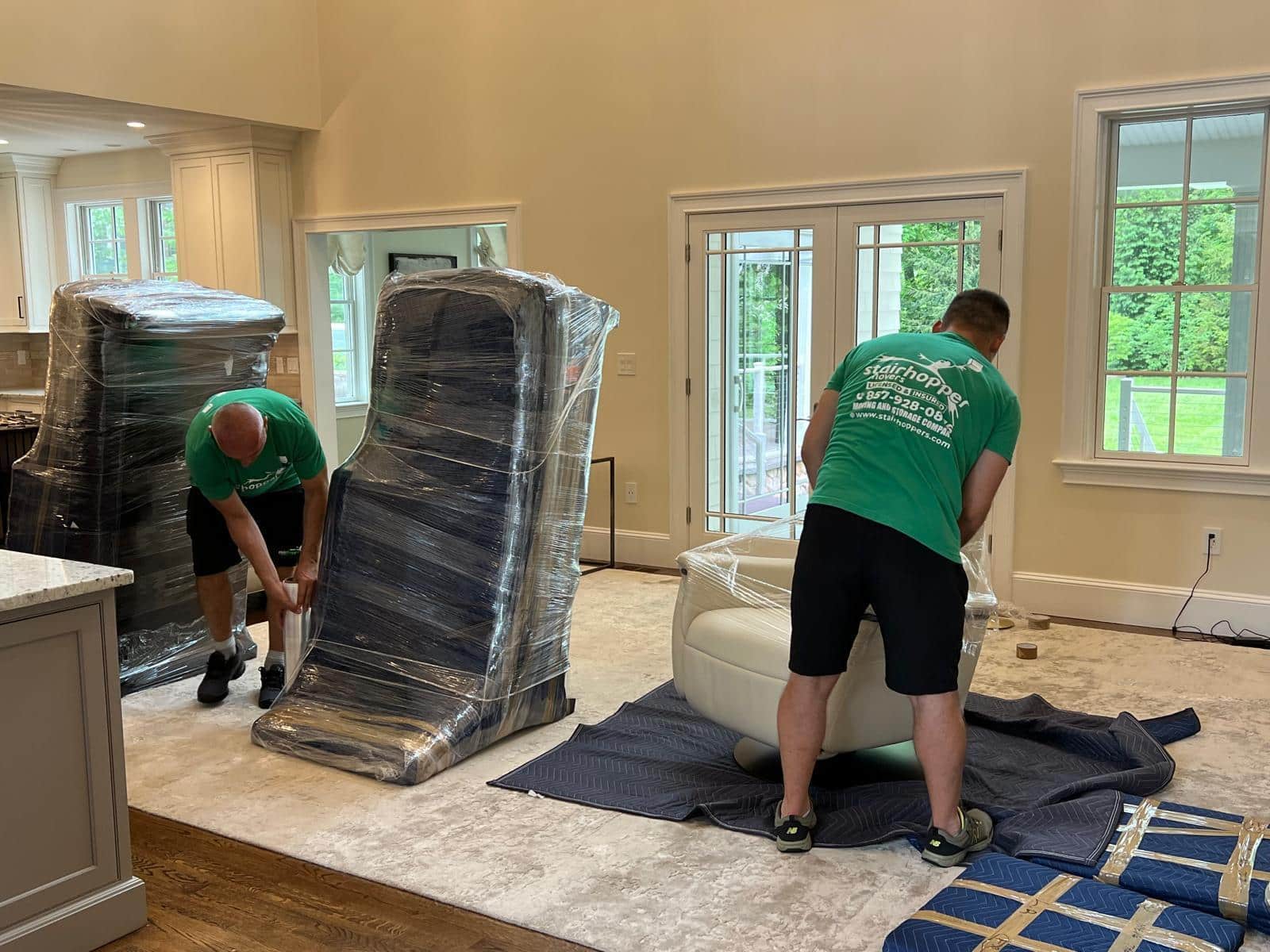
Hourly pricing sounds simple until you realize every company tracks time differently. Some include travel time. Some do not. Some have minimum hours. Some apply extra charges once you cross a threshold. You need a clear explanation of when the clock starts, when it stops, and what counts as billable time. Those details matter more than the headline rate, because they control your final invoice.
A trustworthy team will also tell you what makes the job run faster. Sealed boxes, clear pathways, furniture ready to move, and straightforward truck access all reduce time. If a company refuses to explain timing rules or keeps shifting the definition depending on the question that is usually a warning sign. Clean pricing is not just “nice.” It signals the company expects to win on performance, not confusion.
Contracts and Policies That Protect You
A moving agreement should not feel like a trap. It should read like a clear outline of what will happen: services, rates, liability coverage, cancellation terms, and conditions that change cost. If a company avoids written terms or sends paperwork that is vague and open-ended, you are being asked to accept uncertainty. That is not a small issue. It is the foundation of future conflict.
Reliable teams want alignment before the day starts, because they do not want moving-day arguments either. Read the contract like someone protecting their future self. If something goes wrong, what happens next? If policies are open to interpretation, you will be the one negotiating under pressure. The best companies reduce that pressure by making the terms direct, readable, and documented.
Insurance and Liability without the Confusing Talk
This is where many homeowners get surprised. “Coverage” can mean different things, and basic protection is often limited. You should understand what liability is included by default and what optional protection exists for higher-value items. A company that explains this clearly tends to operate clearly elsewhere, too, because they are not relying on ambiguity to avoid responsibility.
Ask how claims are handled. What documentation do they need? How quickly must damage be reported? What does the timeline look like? These questions are not pessimistic. They are realistic. A home move involves heavy items, tight corners, and continuous motion. The objective is to prevent damage, but the smart move knows the process if something does happen.
Crew Quality and Why You Feel It Immediately
Most moves reveal their quality within the first hour. A strong crew does not just lift. They organize. They protect floors and door frames, wrap furniture properly, and load the truck with a plan so unloading is smoother. They communicate what they are doing and what they need from you, which lowers stress quickly. When a crew is chaotic, you feel it right away. Things move, but nothing feels controlled.
Consistency matters too. Some companies rely heavily on temporary labor, which can create uneven performance. That does not mean every temp worker is bad, but it does mean the experience becomes less predictable. The goal is not only speed. The goal is safe handling, steady pacing, and a process that does not leave you with scratches, dents, and regrets that could have been avoided.
Packing Choices That Help or Hurt You’re Move
Packing is not just “your part.” It directly changes time and breakage risk. Overloaded boxes, unsealed lids, and unclear labels slow loading and increase damage. Fragile items need structure: correct box sizes, padding that prevents movement, and packing that can handle stacking pressure. If you pack yourself, pack like you are helping the crew work efficiently, not like you are racing the clock.
If you want packing help, clarify what the service includes. Some teams pack everything. Others focus on kitchens or fragile items. Ask what materials are provided, how breakables are handled, and whether unpacking is included. Packing is not only convenience. It is one of the biggest factors you can control for speed and protection.
Home Access, Building Rules, and Logistics That Can Derail the Day
Many home moves are not only between you and the company. Property managers may require reserved elevators, specific entry doors, hallway protection, and proof of insurance. If you discover those requirements late, the move can stall or become more expensive. That is why it helps to confirm early what your building demands and what the company can provide.
Parking is another hidden cost driver. If the truck cannot park close, the job becomes a long-carry move. That means more walking, more time, more fatigue, and usually a higher final cost. Reliable companies discuss these realities upfront. They do not pretend every move happens with a wide driveway and perfect access, because many home moves do not.
What to Look for When Hiring Home Moving Help
When people say they need residential movers, they usually mean they want a team that understands how homes really behave: tight stair turns, fragile decor, narrow door frames, kids’ rooms with odd furniture, and the “please don’t scrape the banister” reality of older properties. A home move is personal. You are not moving inventory. You are moving your daily life, with all its delicate, expensive, and sentimental parts. The right team treats that with care, not impatience.
A practical way to evaluate is to focus on behavior rather than promises. Do they ask smart questions about your home? Do they explain protection methods without getting vague? Do they confirm details in writing? Are they clear about timing rules? If the company feels structured and calm before you book, it is usually a good sign that the move will feel structured and calm when it matters.
How to Keep the Move Day Calm and Controlled
A well-run move has a rhythm. The crew arrives, confirms the plan, walks the space, and starts in an order that avoids congestion. Furniture is protected before it moves. Boxes are handled consistently. The truck is loaded intentionally so that unloading does not turn chaotic later. When this happens, you feel it. You are not constantly answering questions or fixing problems mid-move.

To support that rhythm, handle the basics that save time: keep pathways clear, label rooms clearly, separate essentials, and set aside items you do not want loaded. Communication matters too. If something is fragile or sentimental, say it plainly. A good team does not get annoyed by clarity. They perform better with it.
The Second Time you’ll Hear “Residential Movers” And Why It Matters
The second time people think about residential movers in Boston is often after a bad experience. That is when they realize cost is not only a rate. It is also a damage risk, stress, wasted time, and the awful feeling of being stuck with a crew that does not listen. A good company does not only transport belongings. They reduce friction and protect your day from falling apart.
If you want to hire well the first time, keep the standard simple. Choose a company that plans carefully, communicates clearly, and documents expectations. That is what makes a home move feel smooth. Not magic. Not luck. A process that holds up when real life shows up.
The Second Mention of Boston Moving Reality
Even with solid planning, Boston can still throw curveballs: narrow streets, building rules, parking limitations, and tight time windows that do not care about your schedule. That is why working with Movers in Boston who understand local constraints can make the day feel less like a scramble and more like a controlled operation. Local familiarity does not replace planning, but it reduces the surprises that stretch moves out.
The best approach is to treat your home move like a project with a start and finish, not a gamble. Confirm details early, document expectations, and choose a company that gives direct answers. When you do that, you are not just hiring labor. You are buying predictability, and predictability is what most homeowners actually want.
Conclusion
A smooth home move does not happen just because people “work hard.” It happens because the plan is clear, the pricing is honest, the crew is trained, and the logistics are handled before the first box moves. When you evaluate companies based on process and communication rather than hype or the lowest number, you reduce stress, prevent surprise costs, and protect your home from avoidable damage.
For homeowners who want a dependable option built around planning and careful execution, Stairhopper Movers are worth considering. Their team emphasizes structured coordination, services that support home moves such as packing and storage, and a focus on preventing common moving-day problems through preparation. They frame expectations clearly, which helps homeowners feel less like they are guessing and more like they are following a plan.
FAQs
Q1. How far ahead should a homeowner schedule a move?
Ans 1. A safe window is usually four to six weeks, especially during busier seasons. Earlier is better if you need a specific date, elevator reservation, or parking plan. Booking early gives time for a detailed estimate and reduces the pressure of choosing whoever is available. Mid-week and mid-month schedules can offer more flexibility. The real goal is time to plan properly so the company is not forced to improvise.
Q2. What should be confirmed before signing any agreement?
Ans 2. Confirm what the rate includes, how time is tracked, minimum hours, travel-time rules, and what triggers extra charges. Ask what happens if the move takes longer than expected and how schedule changes are handled. Make sure liability coverage and claims steps are explained clearly. Confirm crew size and whether materials like padding or floor protection are included. If anything sounds vague, push for written clarification.
Q3. How do homeowners avoid surprise charges?
Ans 3. Start with an estimate that accounts for stairs, long carries, narrow hallways, bulky furniture, and building rules. Ask the company to explain common add-ons and when they apply. On your side, prepare: boxes sealed, pathways clear, furniture ready, access confirmed. Surprise fees usually come from surprise conditions. The more the company knows upfront, the less likely the cost changes under pressure.
Q4. What are the biggest reason local moves run long?
Ans 4. Access issues. Parking far from the entrance, elevator delays, long hallways, and stair-only routes add time quickly. Poor packing also slows the job because boxes break or need repacking. Another cause is underestimating the workload and sending too small a crew. Time increases when the work becomes stop-and-start instead of steady. Clear logistics and realistic planning keep the day tighter.
Q5. Should fragile items be packed differently?
Ans 5. Yes, and doing it properly matters. Fragile items need sturdy boxes, padding that prevents movement, and clear labeling. Overstuffing can be as risky as leaving a box half empty. Glass, dishes, frames, and electronics should be packed to resist shocks and stacking pressure. If you are worried about certain pieces, ask about special handling or packing support. Good packing reduces breakage and keeps loading efficient.
Q6. What should be checked before the crew leaves?
Ans 6. Walk through both spaces. Confirm items are in the correct rooms, check walls and door frames for scuffs, and review floors near heavy-traffic areas. Verify nothing was left behind in closets, cabinets, or stair landings. If anything looks wrong, mention it immediately while the crew is still present. Confirm final billing details and keep paperwork. It is easier to resolve issues on the spot.
Q7. Is it better to move on a weekday or a weekend?
Ans 7. Weekdays often offer more scheduling flexibility and can make building access and parking easier. Weekends are popular and can fill quickly, which may limit options. If your building enforces strict move-in windows, a weekday slot may be easier to secure. That said, the best day is the one you can plan properly. If the weekend is your only option, book earlier and confirm logistics in writing.
Q8. How can a homeowner make move day feel less stressful?
Ans 8. Keep essentials separate, label rooms clearly, and set aside anything that should not be loaded. Clear walkways and confirm parking plans early. Communicate clearly about fragile items and awkward furniture. Plan for basics like water, snacks, chargers, and important documents. Stress often comes from scrambling. When the home is staged, and decisions are already made, the day feels calmer even when it is busy.
Q9. What are the clearest red flags when hiring a company?
Ans 9. Vague pricing, refusal to put terms in writing, pressure to book immediately, and a quote that seems too low without detailed questions. Another red flag is avoiding clear answers about liability coverage and claims. Watch for inconsistent information across calls. Reliability shows up in clarity and process, not promises. If the company cannot explain how they work before you pay, the job may not run smoothly.
Q10. What should homeowners do if their building requires insurance paperwork?
Ans 10. Ask the building exactly what they need and when they need it. Many require a COI with specific language and dates. Share those requirements with the company early so there is time to process and deliver the paperwork. Waiting until the last moment can block elevator reservations or delay access. Treat building paperwork as a critical task, not a minor detail. Doing it early protects the schedule.
