


Fiji has declared HIV a national crisis, escalating a response to an epidemic in which an estimated 9,100 people were living with the virus in 2025 but most had not been diagnosed or started treatment. The government says it will expand prevention, testing and treatment services, including access to pre-exposure prophylaxis, or PrEP, and plans to introduce a needle-and-syringe programme.
The declaration on Sept. 16 moves beyond Fiji’s earlier HIV outbreak declaration in January 2025 and signals an effort to remove policy and service barriers. UNAIDS, which announced its support for the response, said Fiji is experiencing one of the sharpest rises in new HIV infections globally. It estimated that new infections increased 12-fold from 2010 to 2025.
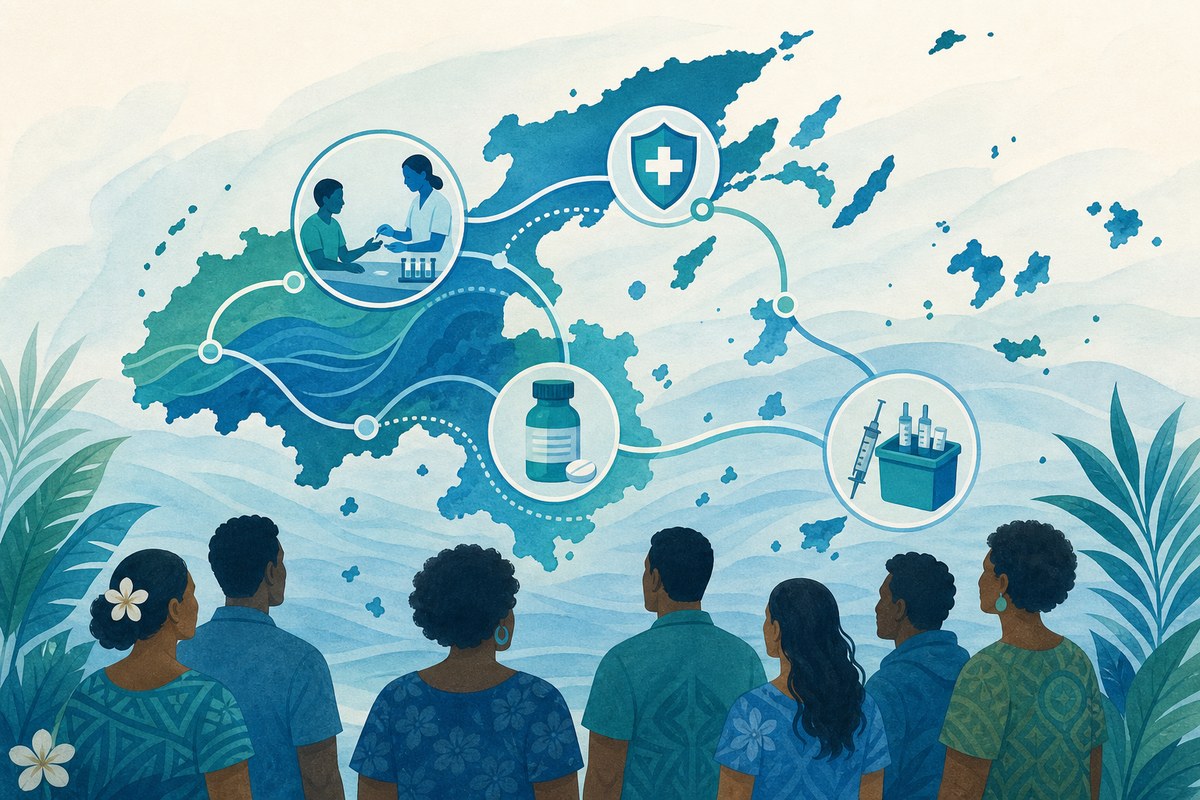
The public-health challenge is not simply the number of infections, but the gap between infection, diagnosis and sustained care. UNAIDS estimated that 39% of people living with HIV in Fiji knew their status in 2025, while 22% were accessing antiretroviral therapy. Applied to the 9,100 estimate, those proportions correspond to roughly 3,550 people diagnosed and about 2,000 receiving treatment, though the figures are modeled estimates and should not be read as an exact head count.
Surveillance figures show a rapid escalation
Figures published before the national-crisis declaration help show why officials have intensified their response. The World Health Organization reported 1,583 new HIV cases nationally in 2024 and 1,226 notified cases during the first six months of 2025. Those surveillance totals are reported diagnoses, not the same measure as UNAIDS’ estimate of all people living with HIV, which includes people who have not yet been diagnosed.
News organizations have reported different totals for new diagnoses in all of 2025: CNN reported 2,060, while Fiji Sun reported 2,016. Without a directly published underlying dataset or statement from Fiji’s Health Ministry, neither number can be treated as a settled national total. The discrepancy does not alter the broader picture in the WHO and UNAIDS accounts: reported cases rose sharply, while diagnosis and treatment coverage lagged.
UNAIDS said that, among cases with a known mode of transmission, more than half were linked to sexual transmission and more than 42% involved injecting drug use. Those categories describe only cases for which a transmission mode was known and should not be generalized to every person living with HIV. They also argue against reducing the epidemic to a single route of transmission or a single drug-related explanation.
A combined prevention strategy includes harm reduction
The measures described by UNAIDS combine several interventions: earlier and more accessible testing, treatment for people diagnosed with HIV, broader PrEP availability including long-acting options, and efforts to reduce stigma. PrEP is medicine used by people without HIV to lower their chance of acquiring it. Antiretroviral therapy treats HIV; when treatment suppresses the virus to an undetectable level, UNAIDS says there is no sexual transmission of HIV.
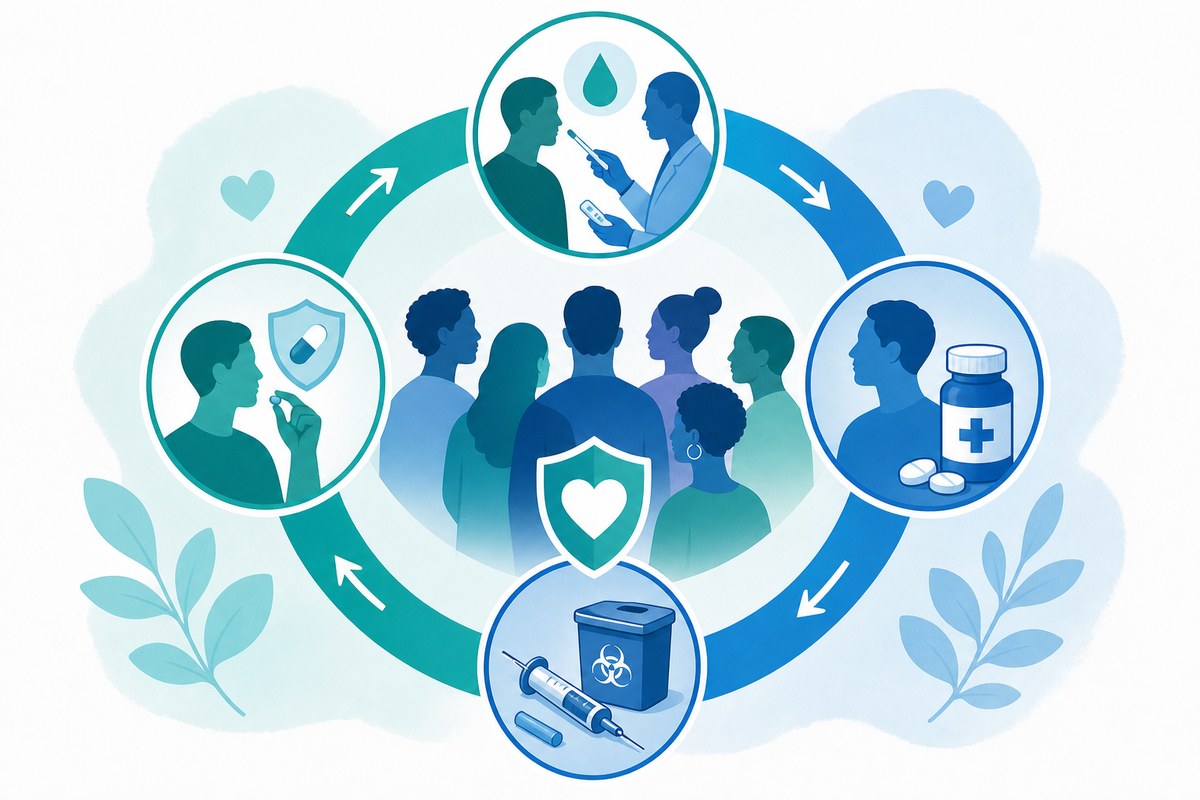
The proposed needle-and-syringe programme is intended to prevent transmission through shared injecting equipment while connecting people who inject drugs with confidential health services. WHO said a rapid assessment commissioned with the U.N. Development Programme at the request of Fiji’s Health Ministry found syringe scarcity, unsafe injecting practices and fear of discrimination among people who inject drugs in Suva.
The WHO account does not give the assessment’s sample size, recruitment method, dates or full analytical methods, limiting what can be concluded about its representativeness across Fiji. Still, its findings align with a treatment-service indicator: WHO reported that people who inject drugs accounted for 48% of those starting HIV treatment in Fiji in 2024. That is a description of people entering care, not proof that drug use alone caused the national increase.
A Cabinet subcommittee has been established to address policy and implementation barriers and speed action, according to UNAIDS. Fiji’s health minister has also said mandatory HIV testing is not being introduced because it is not provided for under the country’s HIV Act, Fiji Sun reported. Voluntary, confidential testing is a cornerstone of HIV programmes because it can identify infections sooner without adding coercive barriers to care.
Stigma and care access remain practical obstacles
Expanding services will not by itself ensure that people use them. Community advocates have described concern about being recognized at clinics, as well as worries about confidentiality, transport costs, poverty and stigma. In an interview with CNN, Joeli Colati of Fiji Network Plus described fear of recognition as one deterrent to seeking treatment.
Those barriers have consequences beyond the individual patient. Untreated HIV can damage the immune system, while people who are unaware of an infection cannot benefit from treatment or from counseling about preventing onward transmission. The national plan’s emphasis on testing, treatment, PrEP and harm reduction reflects the fact that these interventions address different points in the chain of transmission.
Children are also affected. Save the Children Fiji said 59 babies acquired HIV through mother-to-child transmission in 2025, according to Fijivillage reporting. That figure is an attributed account rather than one independently confirmed in the available WHO or UNAIDS material, but it underscores why antenatal testing and timely treatment for pregnant people are part of a comprehensive HIV response.
The declaration creates a higher-level framework for action, but the available information does not yet show how quickly the proposed needle-and-syringe programme, expanded PrEP access or testing initiatives will be implemented, or whether they will close Fiji’s large diagnosis and treatment gaps. Those measures will be judged by whether more people can learn their status early, begin treatment and remain in care.

