


The Federal Reserve raised its benchmark federal-funds rate by a quarter percentage point to a range of 3.75% to 4.00%, saying inflation remains elevated even as economic activity expands at a solid pace. The unanimous Sept. 16 decision marks the first rate increase since 2023, according to an Associated Press report.
The action raises the cost of very short-term funding across the banking system and underscores the Fed’s focus on returning inflation to its 2% objective. It does not directly set mortgage rates or guarantee another increase this year. The committee said consumer spending had remained resilient, job gains had kept pace with workforce growth and unemployment had changed little.

Unanimous decision
All 12 voting members of the Federal Open Market Committee supported the increase, according to the official policy statement. Its directive calls for open-market operations to maintain the federal-funds target range at 3.75%-4.00%.
The federal-funds rate is the overnight rate at which banks and other eligible institutions lend balances to one another. It is the Fed’s principal policy benchmark, but it is a target range rather than a rate charged directly to households or most companies. A 25-basis-point move equals one-quarter of a percentage point.
The committee said the increase was intended to support a timelier return of inflation to 2%. Its assessment described activity as expanding at a solid pace, rather than an economy in broad retrenchment.
Three Fed rates move, with different functions
The target range is the headline decision, but the Fed also adjusted two operational rates. The Board of Governors set the interest rate paid on reserve balances at 3.90%, effective Sept. 17. It also raised the primary credit rate, commonly called the discount rate, by 25 basis points to 4.00%, effective the same day, in its implementation note.
Those figures are related but not interchangeable. The 3.75%-4.00% federal-funds range guides overnight market rates. The 3.90% reserve-balance rate is paid by the Fed on qualifying balances held at the central bank. The 4.00% primary credit rate applies to short-term borrowing from the Fed’s discount window by generally sound depository institutions.
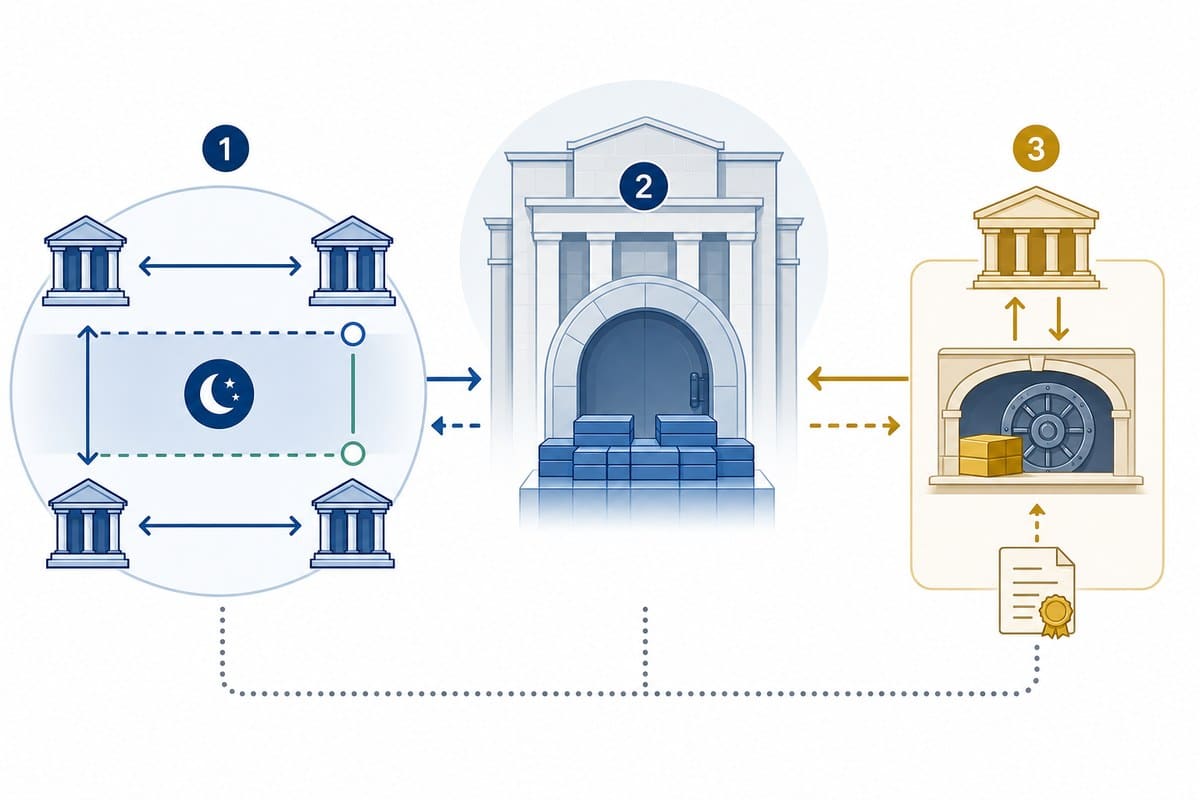
For borrowers outside the banking system, the effects arrive through lenders’ pricing decisions. Banks and credit-card issuers can adjust variable-rate products relatively quickly, while fixed-rate loans depend more heavily on longer-term market yields and lending conditions.
Household and business effects will vary
Credit-card annual percentage rates are among the consumer rates most likely to respond over time because many cards have variable pricing tied to the prime rate. LendingTree analyst Matt Schulz told Deseret News that card APRs could rise by roughly a quarter point in subsequent months, though the dollar effect of one move would typically be limited for an individual balance.
Mortgage rates operate differently. They are shaped mainly by longer-term market rates and expectations for inflation and Fed policy, so a quarter-point federal-funds increase does not mechanically add 25 basis points to a mortgage quote.
Companies with floating-rate credit, short-dated debt or frequent refinancing needs may see borrowing costs rise sooner than issuers with fixed-rate bonds extending years into the future. The FOMC statement made no specific claim about the effect on corporate financing.
Projections do not commit the committee
Fed officials released updated economic projections alongside the decision. Those forecasts reflect participants’ views at the time; they do not pre-announce a future policy decision. The policy statement says the committee will continue to assess incoming information and its implications for the outlook.
The timing and extent of any further move will depend on how inflation, labor-market conditions and broader economic activity develop.

