


Open the floodgates! All eyes at CES will be on the central stage as FCC chair Brendan Carr sits down for a high-profile fireside chat that’s practically guaranteed to touch on one of tech’s thorniest issues: Will or won’t Uncle Sam ban new DJI drones via federal action? The session comes in the midst of continued pressure in Washington to restrict Chinese-made unmanned aircraft systems on national security grounds.
Will the DJI question descend into the CES spotlight
Organizers are billing the appearance as a wide-ranging chat on the tech policy terrain, which provides Carr with some latitude to take — or avoid — the DJI tempest.
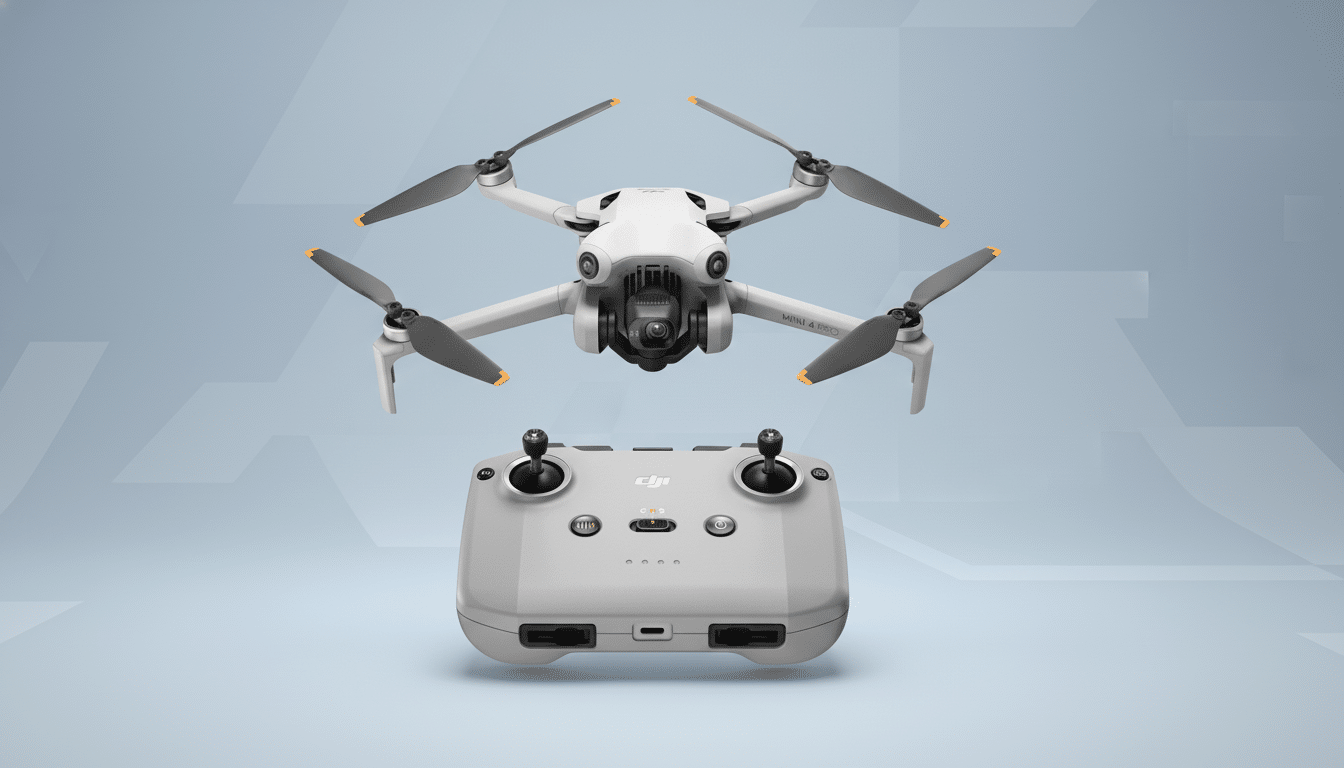
Even a nuanced update would have implications for manufacturers, retailers, and the thousands of public-safety and commercial operators who use DJI’s platforms.
Anticipate some tough questioning about how any action the FCC might take would operate, how long it would take to do so, and what it would mean for drones already in use.
The nuance matters. The FCC’s job is not airspace safety (that belongs to the FAA); it’s in controlling radiofrequency equipment authorization and — per its authority under the Secure and Trusted Communications Networks Act — creating a “Covered List” of communications equipment and services that pose an unacceptable risk to national security. An FCC action would almost certainly focus on approvals for new equipment or modules from parties considered a security risk, as in 2022 when the Commission completely stopped authorizations for some telecom and surveillance gear. That’s completely different from the process of grounding flights, which is governed by FAA regulations for Part 107 and recreational operations.
Why DJI is being investigated by U.S. policymakers
DJI has been the leading drone maker in the United States for years. Most industry surveys and market trackers regularly estimate its share at 70% for consumers, with even higher percentages in many enterprise categories, thanks to aggressive pricing, fast product cycles, and solid software. It is exactly that scale that concerns national security officials, who say telemetry, imagery, and flight logs could be available to entities in China under that country’s data laws and national security laws.
In the backdrop looms a patchwork of federal efforts. The Commerce Department added DJI to the Entity List, which restricts certain U.S. exports to the company. The Department of Defense has warned against using DJI products on its networks and advocated for “Blue UAS” alternatives. Several congressional plans have called for ways to limit federal procurement, or impose new restrictions on market access for Chinese-made drones, including iterations of the American Security Drone Act and the Countering CCP Drones Act. For his part, Carr has previously called for scrutiny of DJI using the FCC’s Covered List authority.
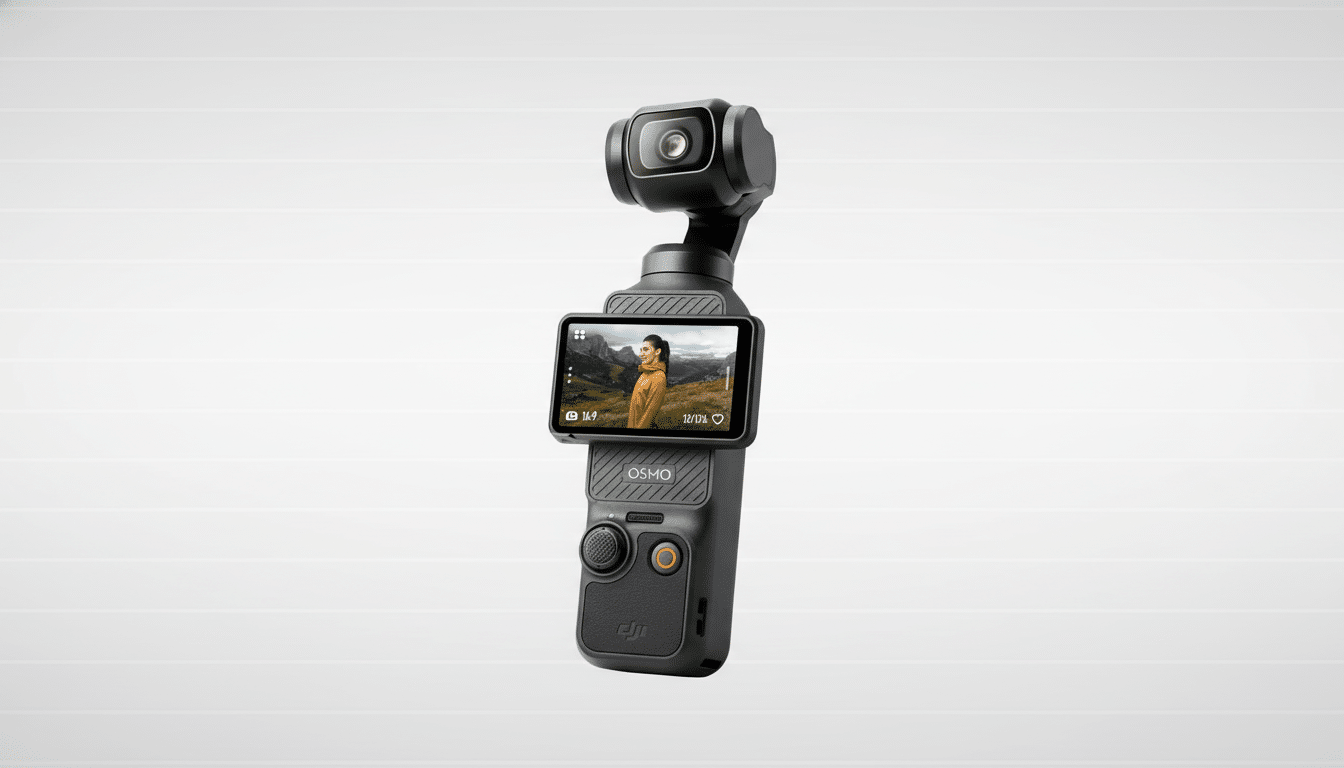
DJI has repeatedly denied that it poses a national security risk, pointing to options like Local Data Mode and enterprise “Government Edition” firmware, both of which can help ensure no data is transmitted off-device without consent, as well as third-party audits reporting no unexpected data transmission if an operator abided by secure operation settings. The company also points out its widespread use among local first responders for disaster assessment, search and rescue, and wildfire monitoring — an area where capability is a big factor in purchase decisions as well as cost.
What a restriction could mean for current DJI users
Any FCC move restricting new authorizations could have a near-immediate impact on retail channels and system integrators. If the flow of new equipment approvals were stifled, it would affect future models and component updates more than drones already flying in conformity with FAA regulations and Remote ID. The big questions CES attendees will be asking: Would there be a grace period, grandfathering for existing fleets, or waivers in critical public-safety scenarios?
The stakes are real. Hundreds of thousands of commercial small UAS have been registered with the FAA, and public agencies have relied heavily on DJI for inexpensive thermal imaging and mapping. Replacing large fleets of municipal or state vehicles outright could be a long-term and costly proposition. Suppliers in the United States and allied countries have multiplied — including Skydio, Teal, or Autel models assembled beyond China, and options from Europe like Parrot for particular missions — but availability, training, and total cost of ownership for a department remain hurdles.
Signals to look for in Commissioner Carr’s comments
Policy tea leaves will be in the fine print. In the event that Carr mentions “Covered List,” be sure to listen for whether staff are looking at specific radio modules, whole end products, or both. If he applies the 2022 precedent of no authorizations for certain surveillance vendors, that could suggest a similar path on drones. It would be significant for maintenance and safety as well if retailers were clearer about their responsibilities regarding service parts and software updates.
Coordination with the FAA and other agencies is equally important. The FAA has control over flight permissions, waivers, and enforcement of Remote ID; CISA and DHS play a part in critical infrastructure vulnerability concerns; and state and local entities must grapple with the patchwork of procurement realities. A cross-agency approach — even an unfinished one — would signal a phased timeline rather than an overnight shock.
Bottom line for CES: policy and DJI scrutiny in focus
CES is tech’s policy salon, and this year the policy could dominate the show. Whether Carr is talking directly to DJI or more generally about supply chain security, the market is eager for signs. “For pilots, integrators, and public agencies, even a moderate amount of certainty around scope and timing could influence purchasing decisions over the next 12 to 24 months.” If on stage there is silence, expect the hallways — and Washington — to keep talking.
