


Deepinder Goyal is back in builder mode. Weeks after exiting the top job at Zomato, the entrepreneur has raised $54 million for Temple, a new wearable startup aiming to track brain blood flow in real time for elite athletes. He said on X that the round came from founder peers and early Zomato backers, valuing Temple at about $190 million, with more than 30 employees buying in at the same terms.
What Temple Is Building: A Real-Time Brain Flow Wearable
Temple is developing a sensor that sits at the side of the head and continuously measures cerebral blood flow—a proxy for how well the brain is being perfused during intense effort. Unlike mainstream wearables that infer strain and readiness from heart rate, heart-rate variability, and sleep via wrist-based optical sensors, Temple’s premise is to capture what is upstream of those signals: the brain’s hemodynamics.
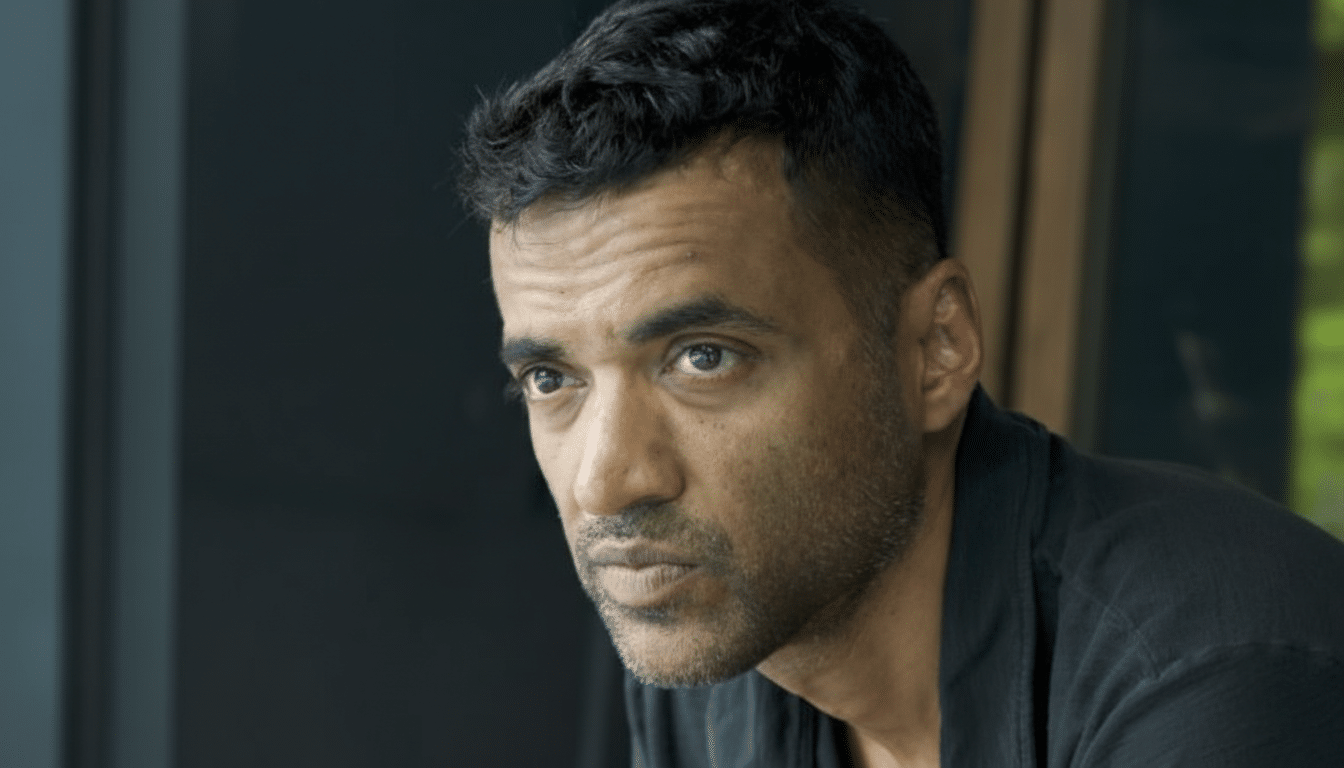
Goyal has framed the goal as “the ultimate wearable for elite performance,” and the hiring slate underscores the ambition: embedded systems engineers, computational neuroscientists, and brain–computer interface specialists. If Temple is leveraging near-infrared spectroscopy (NIRS) or related optical techniques—common in research-grade systems—it could deliver continuous, noninvasive readings with lower motion noise at the temple, where there’s less hair and thinner bone than at the crown.
Why Brain Metrics Matter in Elite Sports Performance
Cerebral blood flow and oxygenation are tied to reaction time, decision-making under fatigue, and thermoregulation—areas that define the margins in sport. Academic groups funded by the U.S. National Institutes of Health have linked cerebral oxygenation dynamics to endurance performance and tolerance to heat and hypoxia. Sports medicine teams also study cerebral hemodynamics post-impact as part of concussion assessment, where NIRS and transcranial Doppler are active research tools.
On the ground, professional teams have experimented with EEG headbands for focus training and recovery, but real-time, field-ready brain blood-flow tracking has not crossed into consumer-grade devices. If Temple can validate precise, repeatable brain metrics during sprints, scrums, and intervals—not just in the lab—it would offer coaches and athletes a data layer they’ve never had.
A Crowded Market with White Space in Brain Wearables
The timing is bold. According to IDC, the global wearables market ships hundreds of millions of units annually, with category leaders optimizing around recovery scores, sleep staging, and GPS performance. Whoop reached a multi-billion-dollar valuation after its 2021 raise and remains entrenched with pro teams. Oura has popularized the smart ring format and expanded into women’s health and readiness metrics. Garmin’s multi-sport devices continue to post multi-billion-dollar revenue, per public filings.
Yet none of these brands offers continuous cerebral hemodynamics as a flagship metric. Research products like Kernel Flow, or medical NIRS units used in hospitals, demonstrate the feasibility but at high cost and with controlled conditions. The white space is a rugged, athlete-proof, high-signal device that works in motion, sweat, and sun without false positives.

The hurdles are nontrivial. Motion artifacts, skin tone variation, hair interference, and ambient light can degrade optical measurements. Battery life and thermal management at the temple must be carefully engineered. There’s also a regulatory line to walk: the U.S. FDA’s general wellness guidance leaves room for performance products, but diagnostic or treatment claims could trigger device clearances. And as “brain data” edges toward medical territory, privacy frameworks lag; most consumer wearables are not covered by health privacy laws unless used in clinical programs. Policy groups and researchers have called for explicit neurorights protections as neurotech goes mainstream.
Funding Signal and Strategic Pivot for Temple’s Launch
Temple’s $54 million friends-and-family round at roughly $190 million post-money is an unusually confident opening salvo for a hardware upstart. It suggests backers are underwriting a multi-year R&D arc rather than a quick iteration of commodity sensors. Employee participation at the same valuation is a cultural marker that could help Temple recruit scarce neurotech and signal-processing talent.
For Goyal, the bet extends a broader move toward frontier science. He has previously committed personal capital to Continue Research, a longevity-focused venture, and co-founded LAT Aerospace, which has pushed into defense technology via acquisition. He has also backed health-performance companies such as Ultrahuman, an India-based wearable maker, signaling a consistent thesis around physiology and peak output.
What to Watch Next as Temple Builds and Validates Its Device
Proof will come from data. Expect Temple to court early validation with sports science labs and high-performance programs—think Red Bull’s performance unit, national institutes, or university biomechanics centers—paired with blinded trials that compare its readings against lab-grade NIRS and Doppler benchmarks. Publication of methods and error margins, even if not peer-reviewed initially, will be crucial for credibility.
Commercially, the go-to-market path likely starts with pro and Olympic teams at a premium price point, then broadens to serious amateurs if the form factor, onboarding, and insights are intuitive. Partnerships with analytics platforms and athlete management systems could turn raw brain metrics into actionable coaching dashboards.
If Temple can turn cerebral hemodynamics into a reliable, field-ready signal, it could open a new category alongside heart and muscle metrics. If not, it risks joining a long list of promising neuroscience gadgets that never made it out of the lab. For now, the capital, the talent search, and the problem choice point to one of the more intriguing hardware bets to emerge from India’s tech ecosystem.
