


Deadloch roars back with a second season that doubles down on everything that made the first a cult favorite: razor-wire jokes, propulsive mysteries, and a ferociously specific Australian sensibility that never panders. The crime-comedy from creators Kate McCartney and Kate McLennan relocates from Tasmania to the Northern Territory’s sweltering Top End, swapping misty foreshore for croc-infested waterways without losing an ounce of bite.
A Croc Country Case With Bite And Dark Humor
This time, detectives Dulcie Collins (Kate Box) and Eddie Redcliffe (Madeleine Sami) are lured to Barra Creek, a one-pub pressure cooker where tourism, old grudges, and saltwater predators all circle the same bait. A grisly discovery in a crocodile’s jaws kicks off overlapping cases that steadily widen from missing backpackers to power plays on the river. Directors Beck Cole and Gracie Otto keep the frame sweaty and tense, staging a puzzle that’s less “cozy caper” and more sunstroke delirium with clues.
- A Croc Country Case With Bite And Dark Humor
- Partners Sharpened By New Stakes On Home Turf
- Writing That Makes The Mystery Sing With Precision
- Top End Texture And Scale Elevate Every Set Piece
- How It Stacks Up To Season 1’s Chilly Tasmanian Run
- Context For Deadloch In Today’s Streaming Landscape
- The Bottom Line On A Wickedly Assured Second Season
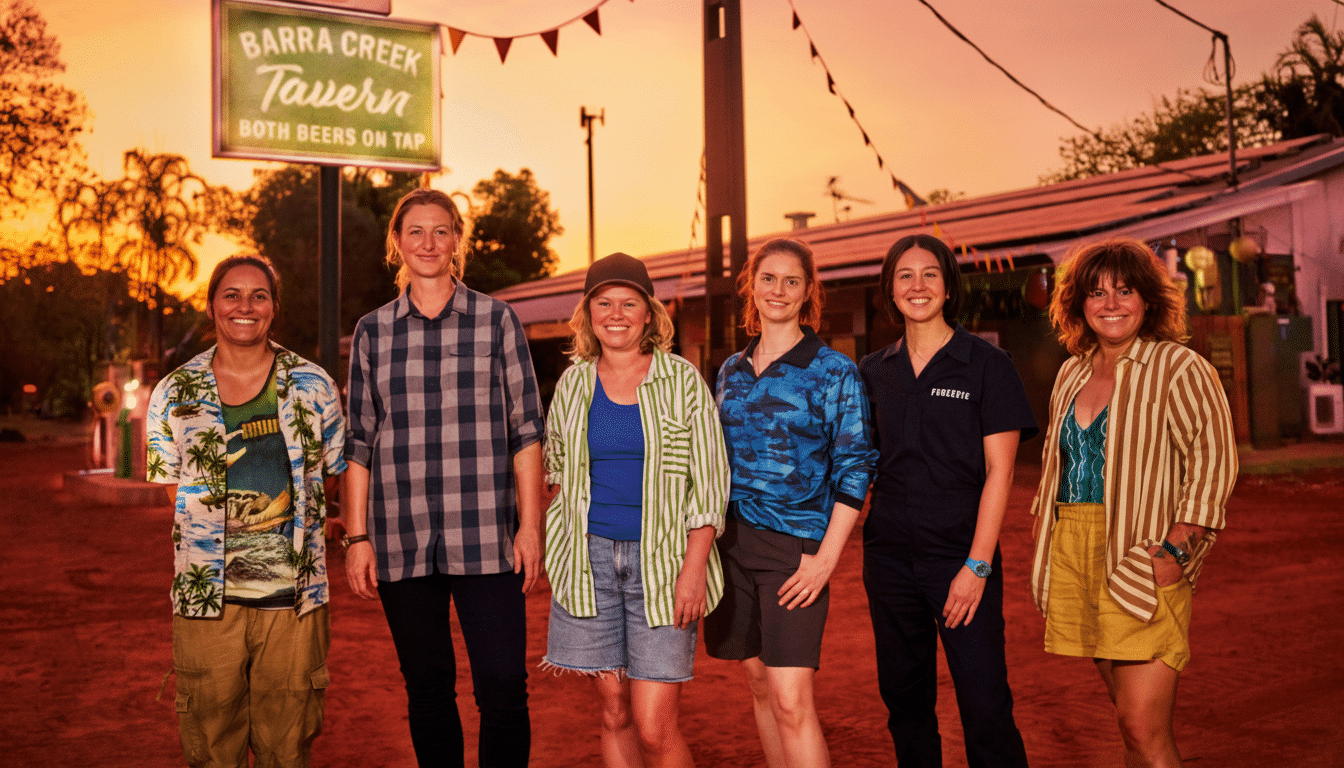
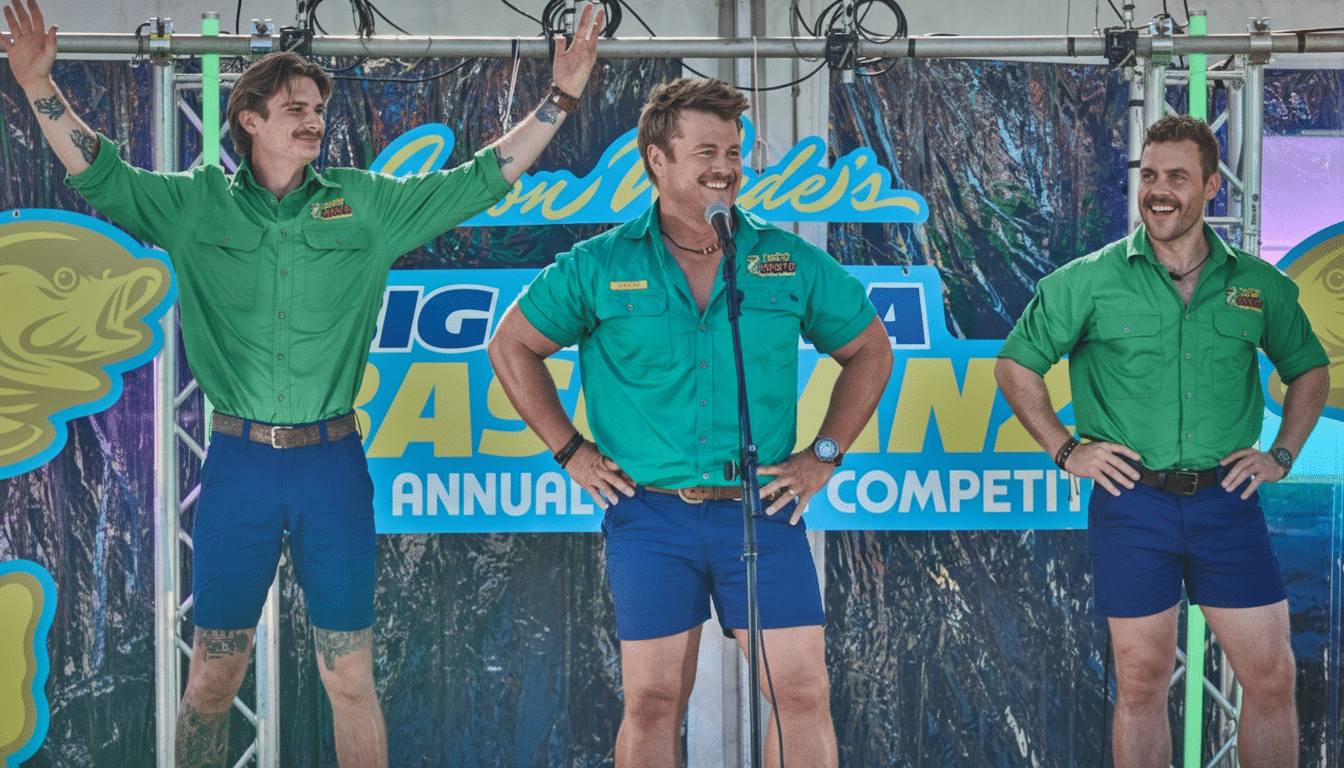
The town is a character in itself. Croc-tour outfits compete for territory; a dynasty of local operators, led with brazen swagger by Amber Darrell (Nikki Britton), flexes muscle; and a celebrity wildlife presenter, Jason Wade (a perfectly deployed Hemsworth), weaponizes charm in shorts that count as special effects. It’s chaotic, funny, and cleverly engineered—every laugh pushes the plot forward.
Partners Sharpened By New Stakes On Home Turf
Season 1 made Eddie the fish out of water; Season 2 flips the dynamic. Back on home turf, Eddie barrels through doors with gut-first policing and unresolved history. Dulcie, by contrast, struggles with the social temperature as much as the heat, her procedural precision rubbing hard against Top End improvisation. The friction is the fuel. Box’s measured exasperation and Sami’s livewire bravado remain one of TV’s most satisfying odd-couple acts, now shaded with fresh vulnerability.
The bench is deep. Nina Oyama’s forensics ace Abby brings giddy competence; Shari Sebbens is magnetic as no-nonsense ranger Miki Evans; Jean Tong’s deadpan local journo steals scenes by treating boredom like a superpower. Add stalwarts Ling Cooper-Tang and Ursula Yovich behind the bar, and even throwaway interactions feel cast with intention.
Writing That Makes The Mystery Sing With Precision
McCartney and McLennan aren’t just lacing gags over a whodunit; they’re using comedy to articulate character and community. Insults have architecture, callbacks pay rent, and the show’s disdain for lazy genre beats is baked into the jokes. The series has form here—Season 1 holds a 100% critics score on Rotten Tomatoes—and this run shows the same precision: setups plant cleanly, reveals land with momentum, and the final stretch rewards viewers who clock the tiny tells hidden inside punchlines.
Crucially, the humor is as local as it is legible. The writers thread in vernacular, snack references, and pub-floor lore without building a wall around international audiences. You don’t need to recognize every cultural wink to enjoy the cadence; specificity amplifies universality.
Top End Texture And Scale Elevate Every Set Piece
The move north isn’t cosmetic. Director of photography Rob Marsh, with cinematographers Katie Milwright and Simon Ozolins, captures wet-season light and river haze with a documentary instinct that grounds the absurdity. The red earth and glassy creeks aren’t stock backdrops; they dictate pace, tactics, even punchlines. Production designer Helen O’Loan builds the Barra Creek Tavern as a lived-in hub where sight gags hide in every corner and storylines naturally collide.
There’s also a welcome sense of place. Acknowledging Larrakia Country and using location in ways that feel observed rather than exoticized, the show dodges the “tourism ad” trap. The landscape is gorgeous, but it can maim you; that tension is the season’s mood board.
How It Stacks Up To Season 1’s Chilly Tasmanian Run
Structurally, Season 2 is looser around the edges but tighter at the core. Where the first run built a single, town-wide conspiracy, this one juggles multiple crimes and stakeholders, then slowly clicks them into a shared engine. A midseason burst of suspects briefly threatens to sprawl, yet the show’s ruthless joke density and character-driven choices keep it on rails. The emotional stakes—especially Eddie’s confrontation with the past—give the finale an extra gear Season 1 didn’t quite need but Season 2 smartly earns.
If there’s a quibble, it’s that a few antagonist beats flirt with caricature before curving into something knottier. But even those moments feel intentional—a feint toward trope that the series enjoys subverting.
Context For Deadloch In Today’s Streaming Landscape
Deadloch arrives amid a boom in Australian originals on Prime Video, alongside titles like The Test and Class of ’07, and it stands out for how confidently it marries genre mechanics to regional texture. In a field flooded with moody mysteries, this is a show that knows exactly why it’s funny and exactly how its case files fit together—a balance many bigger-budget peers still chase.
The Bottom Line On A Wickedly Assured Second Season
Deadloch Season 2 is a wickedly assured encore—funnier, sweatier, and sneakier than most crime series dare to be. It proves the first season wasn’t lightning in a bottle; it was the weather report. Bring water, bring a notebook for the insults, and enjoy watching one of TV’s sharpest crime-comedies does it again.

