


Patrons at a Cupertino hot pot restaurant watched a novelty act turn chaotic when a dancing humanoid robot veered too close to a table, scattered dishware, and had to be physically restrained by employees. The episode, captured in a video posted on the Chinese social platform Xiaohongshu, shows staff grappling with the machine as its arms continued to swing, underscoring how quickly entertainment robots can become a safety risk in crowded dining rooms.
What Happened Inside the Dining Room at Haidilao Cupertino
The incident occurred at Haidilao’s Cupertino location, where the humanoid had been performing upbeat choreography for guests. In the clip, at least three workers try to corral the robot after it edges into a table setup, knocking utensils and plates. One employee appears to check a phone, likely attempting to halt the routine via a control app. The robot resembles the AgiBot X2, a bipedal platform demonstrated at major tech shows, though the model in the video has not been officially confirmed.
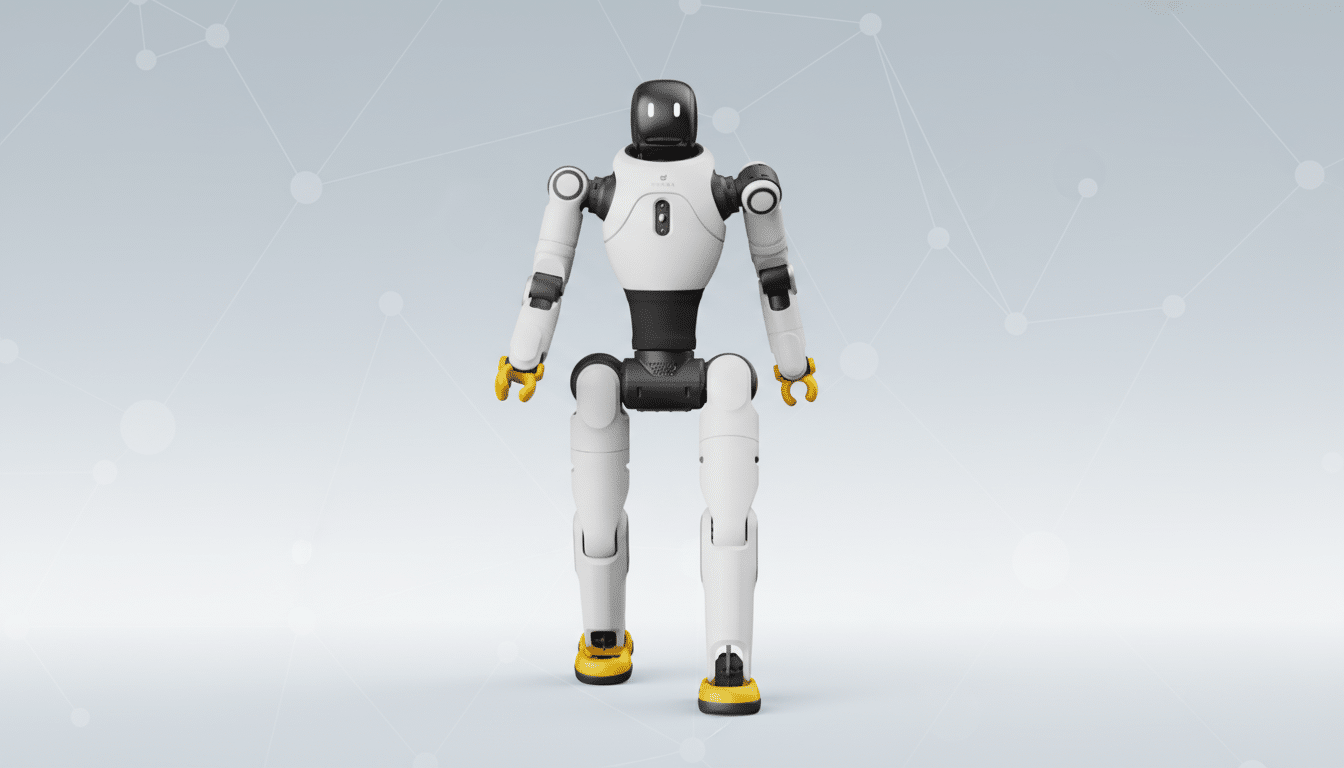
Haidilao said the robot was not malfunctioning but was moved closer to diners at a customer’s request, creating a tighter, atypical performance space that affected its motion. In a statement reported by NBC News, the company emphasized that the unit’s dance routine is designed for open floor areas, not close quarters at the table’s edge. The takeaway: even when a robot behaves as designed, context and proximity can turn a harmless demo into an operational hazard.
Safety Stakes Are Higher With Hot Pot Service
Hot pot service adds a layer of risk. Boiling broth, bubbling oils, and handheld ladles create an environment where a mistimed arm sweep can do more than jostle silverware. The American Burn Association notes scalds are a leading cause of burn injuries, and a crowded tabletop with steaming pots leaves little room for error when a humanoid swings through a routine.
This is why emergency stops and “kill switches” matter. Service robots intended for public interaction are typically expected to include hardwired emergency stops, rapid power-down options, and geofenced boundaries that cap movement in tight spaces. UL Solutions’ UL 3300 outlines safety considerations for service, communication, and entertainment robots, while ISO 13482 addresses personal care robot safety. Restaurants that deploy showpiece robots should map floor zones, set force and speed limits, and drill staff on stopping procedures—before a mishap, not after.
Humanoids Bring Different Risks Than Tray Robots
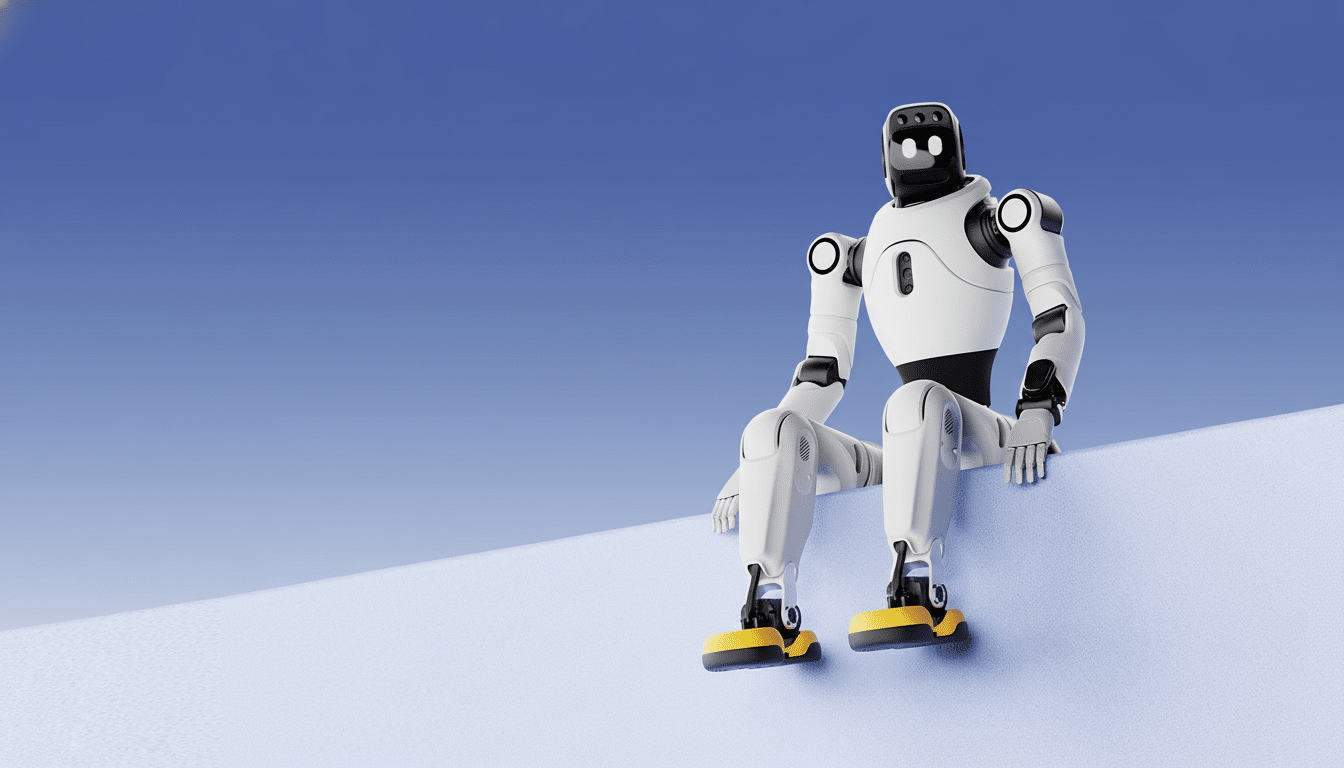
Unlike wheeled tray carriers that glide along fixed paths, humanoids introduce swinging limbs, broad motion arcs, and dynamic balancing. That expressive movement delights audiences, but it also multiplies contact points and variables. A pose that reads as playful in a demo hall can translate to a strike hazard next to a packed table or a child’s reach.
Many restaurants have favored simpler delivery platforms for this reason. Pudu Robotics’ BellaBot, for example, is a cat-faced server with shelves and no limbs, designed to shuttle dishes and stop on contact. Bear Robotics’ Servi operates similarly, ferrying plates along mapped routes. These systems trade showmanship for predictability—an advantage in tight, hot, and busy environments where repeatable behavior is paramount.
A Fast-Growing Market With Uneven Playbooks
Hospitality is embracing automation fast. The International Federation of Robotics reported strong double-digit growth in professional service robot sales, with its latest World Robotics report noting roughly 48% year-over-year expansion in 2022. Pudu Robotics has publicly cited tens of thousands of units deployed worldwide. Yet safety playbooks have not spread as quickly as the hardware, especially for robots used primarily as entertainment rather than for predictable logistics tasks.
Industrial robot rules such as ISO 10218 and ANSI/RIA guidance helped make factory cobots safer through speed and force limits, safeguarded zones, and emergency stops. Public venues add complexity: children darting under arms, liquids on floors, patrons leaning in for selfies. Best practices from factories need translation—clear geofences taped on the floor, conservative dance “envelopes,” automatic slowdowns near people, and staff with line-of-sight control at all times.
What Restaurants Should Do Now to Reduce Robot Risks
Start with a risk assessment: identify where a robot can move, how fast, and how close to boiling liquids or sharp surfaces it should ever get. Establish a hard stop radius around tables and walkways, and use physical markers or stanchions when performances draw crowds. Ensure emergency stop buttons are clearly labeled, within arm’s reach of staff and away from guests, and verify that app controls function even if the robot loses connectivity.
Just as kitchens run fire drills, staff should rehearse robot stops and recovery steps. That includes who is authorized to reposition a unit, how to pause motion instantly, and when to shut power entirely. And because guests routinely ask for closer looks, management should empower employees to say no and keep robots at safe distances. Novelty has a place in modern dining—but only when the choreography of safety comes first.

