


Ear infections are common and can affect people of all ages. While most people associate them with earache, hearing issues, or fluid buildup, many may not realize that ear infections can also cause jaw pain. This connection can be confusing, but understanding the anatomy and the way nerves transmit pain helps explain why discomfort sometimes spreads beyond the ear.
If severe ear and jaw pain develops suddenly or worsens quickly, seeking prompt evaluation at the Amarillo emergency room can help rule out complications and ensure timely treatment.
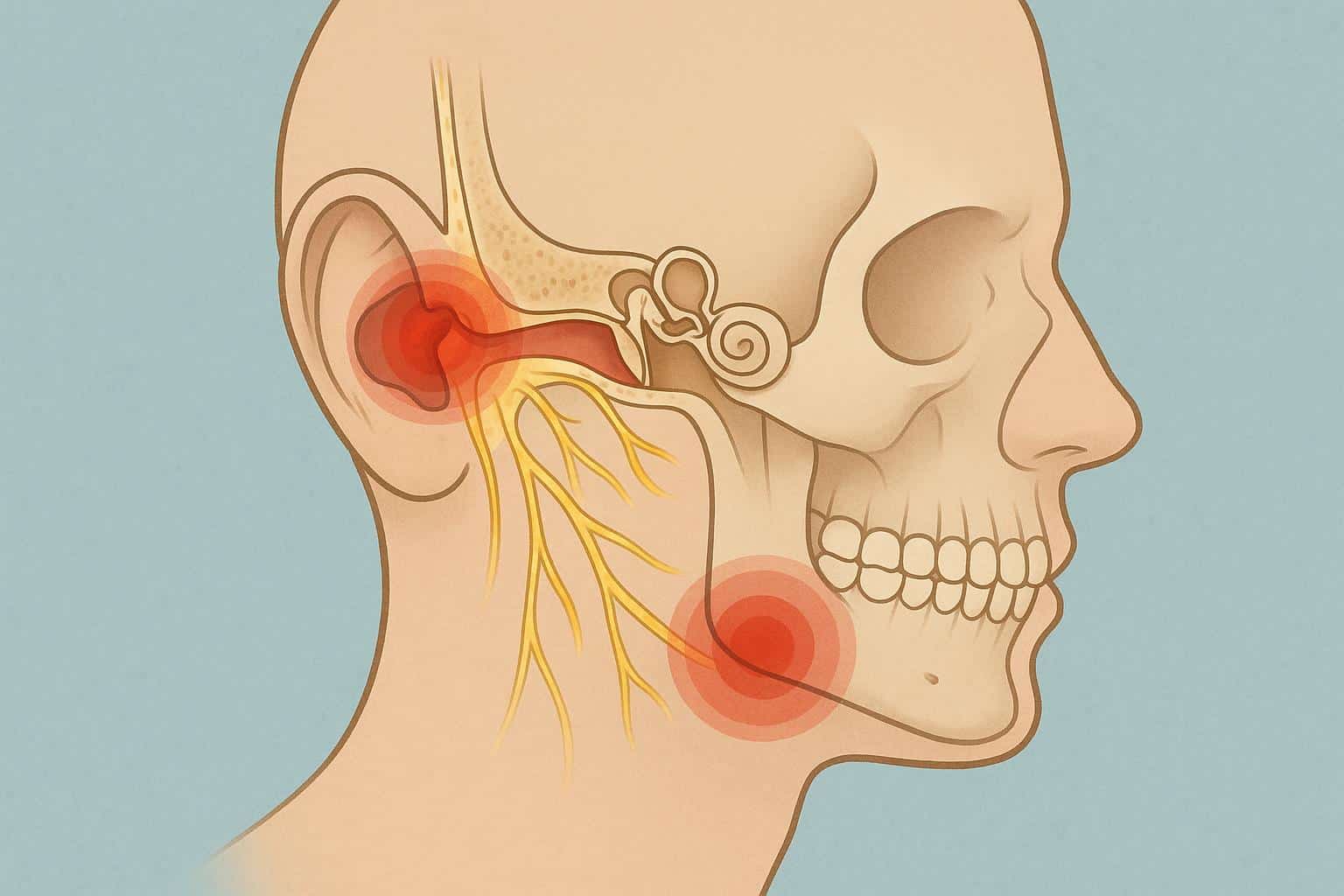
Connection Between Ear and Jaw Pain
The ear and jaw are closely linked through anatomy and shared nerves. The temporomandibular joint (TMJ), which connects the jawbone to the skull, sits near the ear. Additionally, several nerves, including the trigeminal nerve, serve both the ear and jaw, transmitting sensory signals. When an infection inflames the ear, these nerves can interpret the pain as coming from the jaw, which is why jaw soreness often accompanies ear infections even when the jaw itself is healthy. If symptoms become severe, visiting an emergency room near me can provide prompt relief.
How an Ear Infection Can Cause Jaw Pain
Sometimes, the pain from an ear infection doesn’t stay in the ear and can radiate to the jaw due to shared nerves and nearby structures, and if the discomfort becomes severe or persistent, seeking prompt evaluation at Exceptional Emergency Center can help determine the underlying cause and provide appropriate treatment.
Middle Ear Infections (Otitis Media)
The middle ear, located behind the eardrum, is a small air-filled space that can become infected by bacteria or viruses. Infections in this area often lead to fluid buildup, swelling, and pressure, which irritates nearby nerves. The trigeminal nerve, responsible for sensations in the jaw, face, and mouth, can carry these pain signals, resulting in jaw discomfort.
Outer Ear Infections (Otitis Externa / Swimmer’s Ear)
Outer ear infections affect the ear canal and surrounding skin. Swelling, redness, and tenderness can radiate to adjacent areas, including the jaw. In these cases, moving the jaw or opening the mouth may worsen the pain. Swimmer’s ear, a common form of outer ear infection caused by water exposure, often leads to irritation that spreads to the jaw muscles.
Inflammation and Referred Pain
Referred pain occurs when nerves carrying pain signals from an infected area also connect to nearby regions. In ear infections, the trigeminal nerve can carry these signals from the ear to the jaw, causing an ache or tenderness even when the jaw itself is not affected.
Additional contributing factors include:
- Pressure changes: Fluid accumulation in the ear can press against surrounding tissues, indirectly stressing the jaw.
- Muscle tension: Pain may cause people to clench or tighten jaw muscles, increasing discomfort.
- Chronic or untreated infections: Recurrent infections can prolong jaw pain and make chewing or speaking uncomfortable.
Symptoms That May Occur Together
When jaw pain is related to an ear infection, it often appears alongside other recognizable symptoms, such as:
- Ear pain or pressure: A dull or sharp ache inside the ear, sometimes worsening at night.
- Jaw discomfort while chewing or talking: Tenderness in the jaw muscles or TMJ area.
- Headache or facial pain: Pain may radiate across the side of the face near the ear.
- Fever or ear drainage: Indications of infection, often with fluid or pus leaking from the ear canal.
Noticing these symptoms together can help identify whether the jaw pain is linked to an ear infection rather than other causes.
Treatment Options
Treating jaw pain caused by an ear infection focuses on addressing the underlying infection and relieving discomfort. Common treatments include:
- Antibiotics for bacterial ear infections: Prescribed when a bacterial infection is confirmed.
- Pain relief medications: Over-the-counter pain relievers like acetaminophen or ibuprofen can reduce ear and jaw pain.
- Warm compresses and home care: Applying warmth to the affected ear and jaw muscles can soothe pain and reduce inflammation.
- TMJ-specific treatments: If jaw discomfort persists due to muscle tension, gentle jaw exercises or physical therapy may help.
Prompt treatment is crucial. Delaying care can lead to worsening symptoms, prolonged jaw pain, or complications such as chronic ear infections.
When to Seek Emergency Care?
Seek medical attention if:
- Jaw or ear pain is severe or persistent
- Fever or pus is present
- Hearing is affected
- Symptoms do not improve with initial home care
A healthcare professional can determine whether antibiotics, pain management, or other treatments are necessary.

