


Yes, an ear infection can sometimes cause jaw pain, as the ear and jaw are closely connected through nerves and shared structures. Many people with middle or outer ear infections experience discomfort that radiates to the jaw, making chewing, talking, or even swallowing uncomfortable. This connection occurs because inflammation in the ear can irritate surrounding tissues and nerves, sending pain signals to the jaw area. Understanding this link can help you recognize when jaw pain may be related to an ear infection and when to seek medical care.
If jaw pain persists with an ear infection, visiting a medical professional at St. Michael’s Elite Hospital can ensure proper evaluation and treatment.
What Is an Ear Infection?
An ear infection occurs when bacteria or viruses infect parts of the ear. There are three main types:
- Outer Ear Infection (Otitis Externa): Often called “swimmer’s ear,” this affects the ear canal and can cause pain, redness, and swelling.
- Middle Ear Infection (Otitis Media): Infection behind the eardrum is common, especially in children, and may cause fluid buildup, pressure, and throbbing pain.
- Inner Ear Infection (Labyrinthitis): Affects balance and hearing, sometimes causing dizziness along with ear discomfort.
Common symptoms include ear pain, muffled hearing, fluid drainage, fever, and sometimes a feeling of fullness in the ear. If you notice persistent or severe symptoms, don’t hesitate to contact us for professional evaluation and guidance.
Can Jaw Pain be Caused By an Ear Infection?
Yes, jaw pain can occur with an ear infection due to the close anatomical and nerve connections between the ear and jaw. Infections can irritate nearby tissues, leading to referred pain that may affect the jaw, making it sore or tender. For proper diagnosis and treatment, consulting specialists at Sugar Land Hospital can help manage both ear and jaw discomfort effectively.
The Connection Between the Ear and Jaw
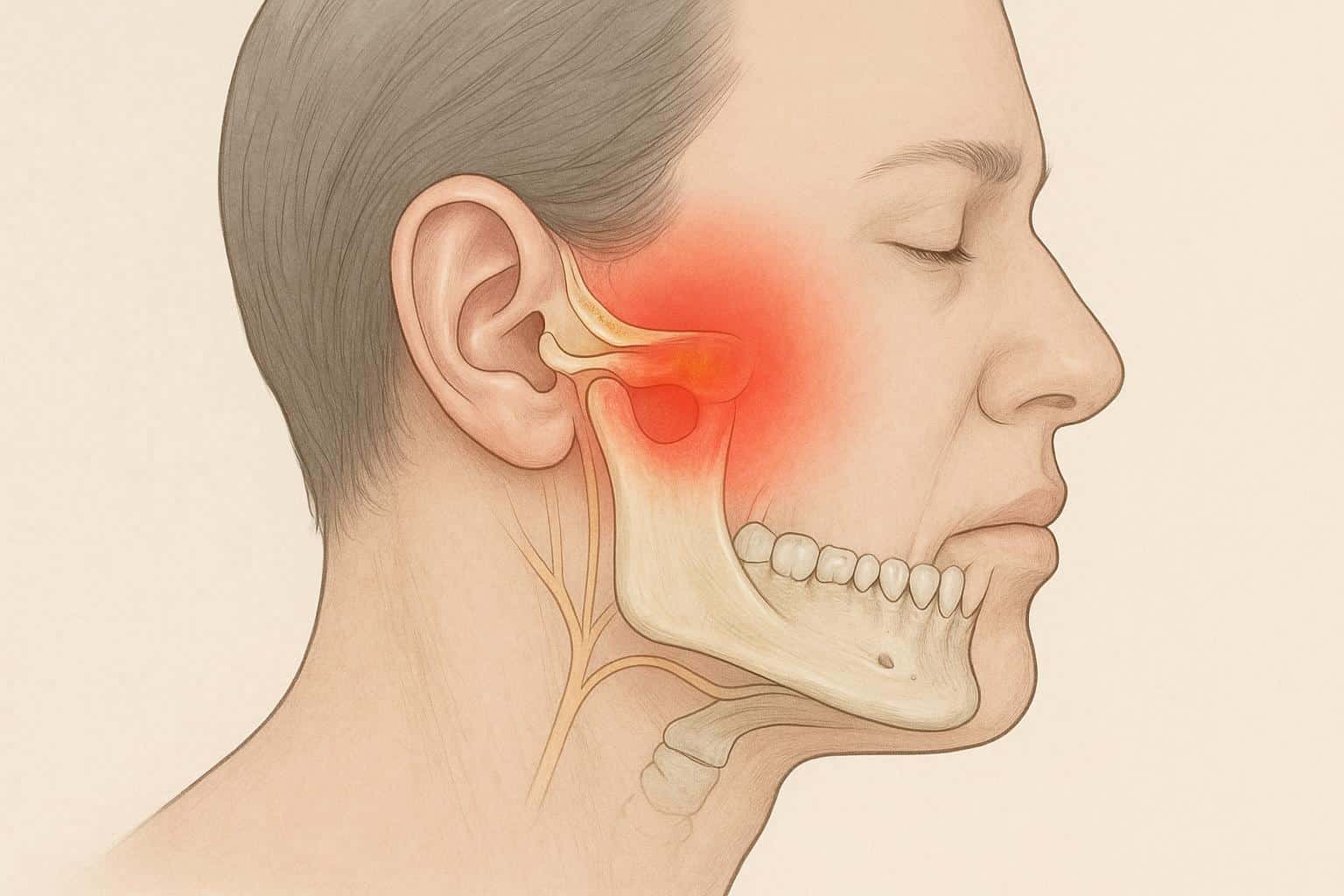
The temporomandibular joint (TMJ), which connects the jawbone to the skull, is located very close to the ear. Inflammation or pressure from an ear infection can affect this joint, leading to jaw discomfort. This proximity explains why ear issues often cause pain that radiates to the jaw.
Inflammation and Nerve Pathways
The trigeminal nerve carries sensory signals from both the jaw and the ear. When an infection inflames the ear, this nerve may transmit pain to the jaw, causing a dull ache or sharp discomfort. This shared nerve pathway is why jaw pain often accompanies ear infections.
Other Related Symptoms
Jaw pain from an ear infection may come with:
- Ear fullness or pressure
- Throbbing or sharp ear pain
- Headaches or facial tenderness
- Difficulty chewing or opening the mouth fully
Treatment Options
Managing jaw pain from an ear infection focuses on relieving discomfort and addressing the underlying infection:
- Rest: Allowing the body to recover supports the immune system in fighting infection.
- Hydration: Drinking plenty of fluids can reduce inflammation and help the body heal.
- Warm Compress: Applying a warm compress to the ear or jaw can ease pain and reduce muscle tension.
- Soothing Remedies: Over-the-counter options like pain-relieving lozenges or mild analgesics can provide temporary relief.
- Medical Evaluation: Persistent or severe symptoms may require professional assessment to rule out complications or bacterial infections.
When to Go to the ER?
Seek medical care if jaw pain or ear discomfort is accompanied by any of the following:
- Severe or worsening ear pain
- High fever or chills
- Swelling, redness, or pus from the ear
- Difficulty opening the mouth or persistent jaw pain
- Hearing loss, dizziness, or balance issues
Prompt evaluation ensures proper treatment and prevents complications like spreading infection or chronic ear issues.
Key Takeaways
Jaw pain can occur as a result of an ear infection due to the close connection between the ear and the temporomandibular joint and shared nerve pathways. Middle and outer ear infections are the most common culprits, and symptoms often improve with rest, hydration, and supportive care. Persistent or severe jaw pain, high fever, or hearing changes should be evaluated by a healthcare professional. Proper diagnosis and treatment can help manage both ear and jaw discomfort effectively.

