


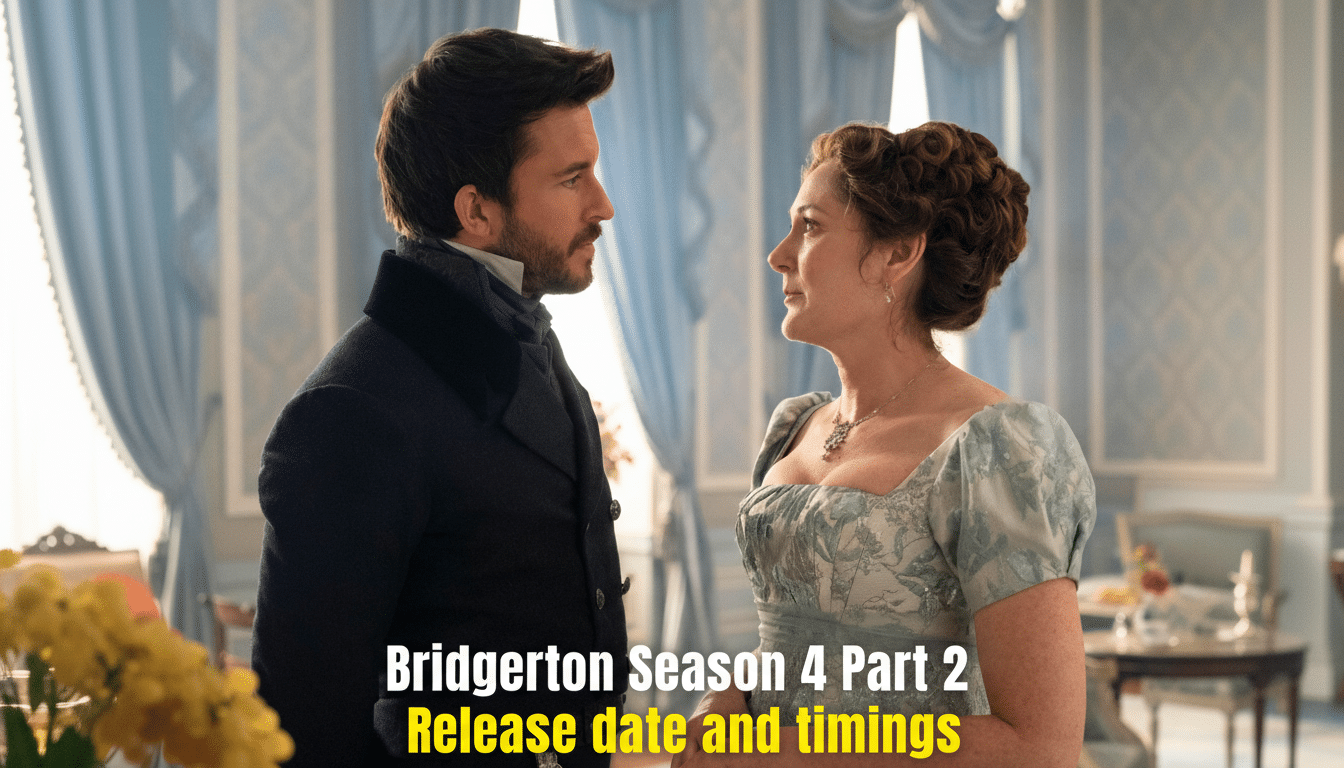
Bridgerton returns to the ballroom with a bolder proposition in Season 4 Part 2, picking up from that gasp-inducing “Be my mistress” cliffhanger and expanding it into a full study of how desire collides with power, class, and grief. It is lush and lively, still, but also the series’ most sobering stretch to date—an elegantly staged argument that love rarely conforms to the rules we’re taught to revere.
A Romance Built On Class And Consequence
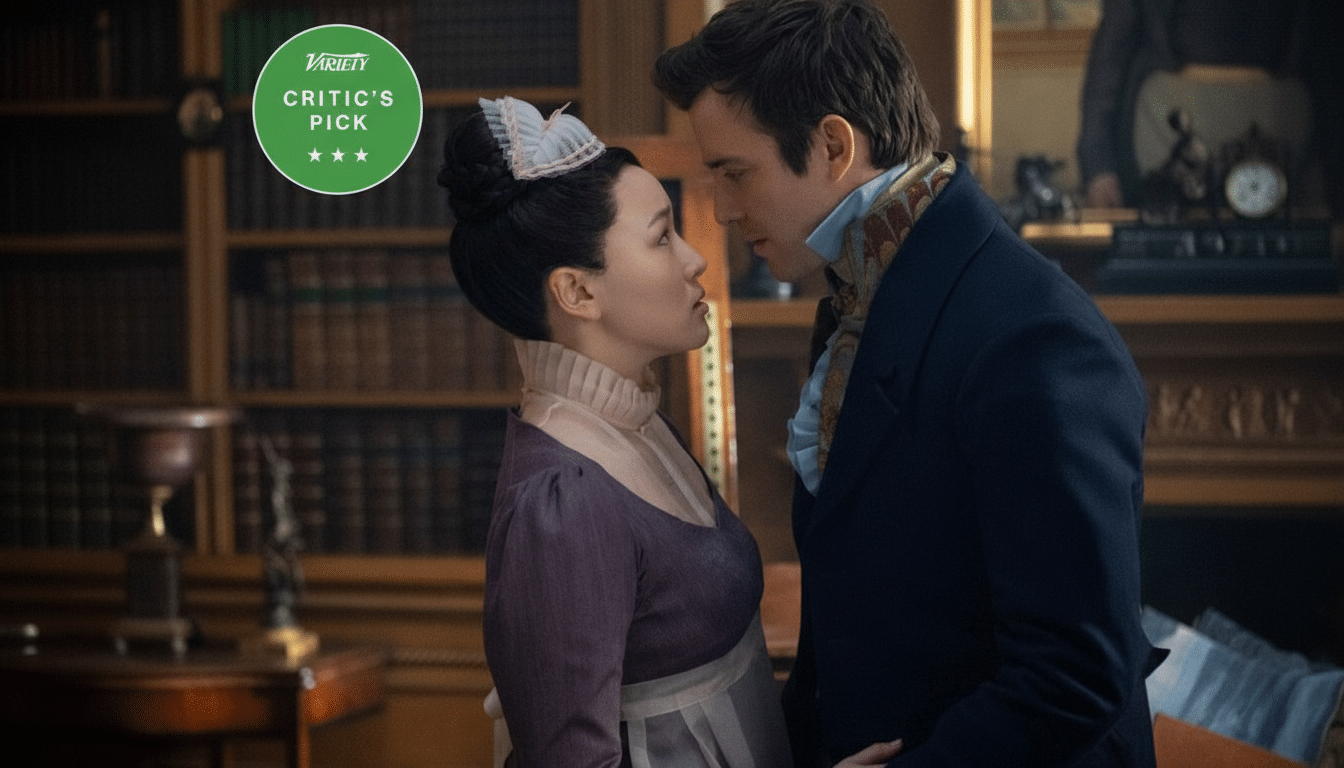
Showrunner Jess Brownell leans into the Cinderella spine of Julia Quinn’s source material to challenge the Ton’s hierarchy, foregrounding a heroine who understands exactly what an “improper” match costs. Sophie Baek, once in servitude to the implacable Lady Araminta Gun, now works in the Bridgerton home, still guarding the secret that she is the mysterious woman from the season’s masquerade.
Her resolve not to accept Benedict Bridgerton’s illicit offer is no coy delay; it’s a razor-edged rebuke of a system designed to keep women like her out of sight. The show’s most vital scenes let Sophie voice the calculus of risk around reputation, livelihood, and autonomy, while Benedict, cushioned by privilege, struggles to see beyond the romance of defiance. Their chemistry sizzles, but it’s the friction—the clash between affection and consequence—that makes their pairing feel contemporary.
That class lens extends beyond the lovers. Housekeepers Mrs. Varley and Mrs. Wilson aren’t mere gossip conduits; they are institutional memory for the Ton, and the scripts finally treat them as such. Violet Bridgerton’s ambivalence offers a thorny, persuasive counterpoint—love for her son wrestling with the social contract that has defined her life—while Anthony’s brief turn as rule enforcer lands like a gavel.
Sensuality Meets Sorrow as Mortality Takes the Stage
Yes, the season serves Bridgerton’s signature intimacy—one bath scene will ignite feeds for weeks—but the audacity lies in how it braids sensual release with looming loss. Part 2 confronts mortality head-on for the first time in the show’s run, and the tonal shift is striking. Production designer Alison Gartshore and costume designer John Glaser mute the pastel fantasia into crepe and shadow without abandoning the series’ pop-Regency DNA, while Nic Collins’ hair and makeup team finds poetry in restraint.
An understated farewell arc between Lady Danbury and Queen Charlotte lets Adjoa Andoh and Golda Rosheuvel play entire conversations through silence and side‑glances. The pair has always been Bridgerton’s spine; here, their scenes become a masterclass in economy, reminding us that power—like love—can be both durable and unbearably fragile.
Francesca And Michaela Set A New Course For Love
Part 2 also seeds a future that refuses to look tidy. Michaela Stirling arrives with breezy confidence, forming an easy trio with Francesca and John that hums with unspoken possibility. The show stops short of delivering the sapphic whirlwind many expected, but the groundwork is unmistakable. “Love does not always look how one expects,” Michaela says, and the line lands like thesis and promise.
Hannah Dodd lets Francesca crack open in small, precise ways—muffled sound, tight frames, and a few stolen glances that speak louder than any waltz. If Part 2 withholds, it also signals intent: not subtext but text, not a side street but a main thoroughfare. It’s a pivot that would bring Bridgerton in step with a broader streaming landscape where GLAAD has charted steady growth in LGBTQ representation, even as period dramas have lagged behind.
The Pop Regency Engine Still Purrs, Even in Shadows
Even as it darkens the palette, the series remains a rom‑dram spectacle. Contemporary string covers lace the choreography with winks to present-day courtship, and Brownell’s writers pull deftly from Quinn’s novels to deliver both feverish closeness and moral complication. The performances carry the weight: Luke Thompson threads boyish charm with dawning accountability, Yerin Ha anchors the season with careful, unsentimental clarity, and Ruth Gemmell makes every maternal pause count.
Context matters: Netflix’s own Top 10 reports have regularly placed Bridgerton’s first two seasons among the most-watched English-language series in the platform’s history, and Season 3 sustained that momentum. Part 2 of Season 4 plays like a franchise confident enough to upset its own tea set—trading neat happily‑ever‑afters for questions that linger.
Verdict: A Mature, Stirring Turn Toward Harder Truths
Season 4 Part 2 is Bridgerton at its most mature, daring to say that passion without parity is peril, and that grief can be as formative as first love. It’s steamier, sadder, and smarter, and it sets the chessboard for a Season 5 that looks poised to center freedom as much as romance. Or, as Benedict tells Sophie, society should not be allowed to dictate whom one loves. This time, the series doesn’t just flirt with that idea—it believes it.

