


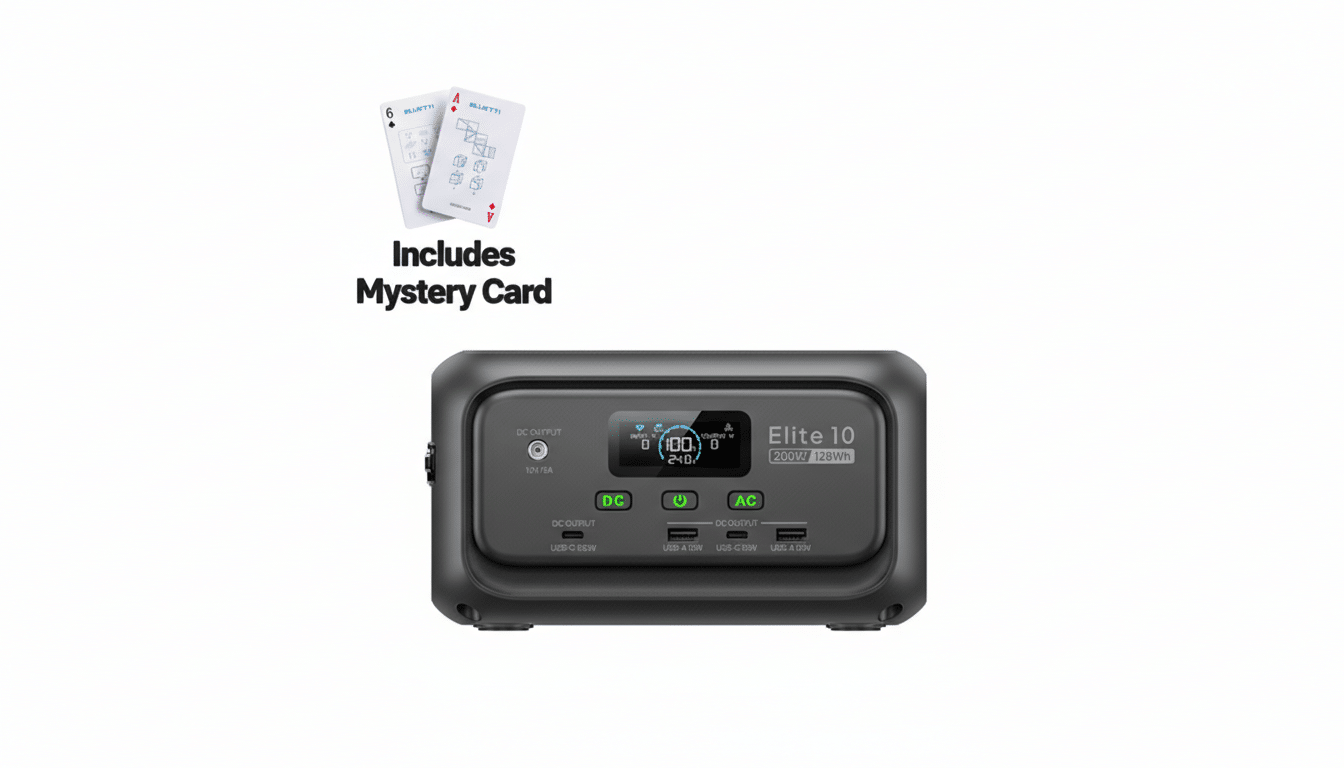
If you’ve been waiting for a compact backup battery that won’t wreck your budget, the Bluetti Elite 10 mini portable power station just fell to $112.99 from $199 — a 43% drop and the lowest price we’ve seen for this model. It’s a rare chance to snag a name-brand power solution that actually fits in a daypack and covers the essentials when the lights go out.
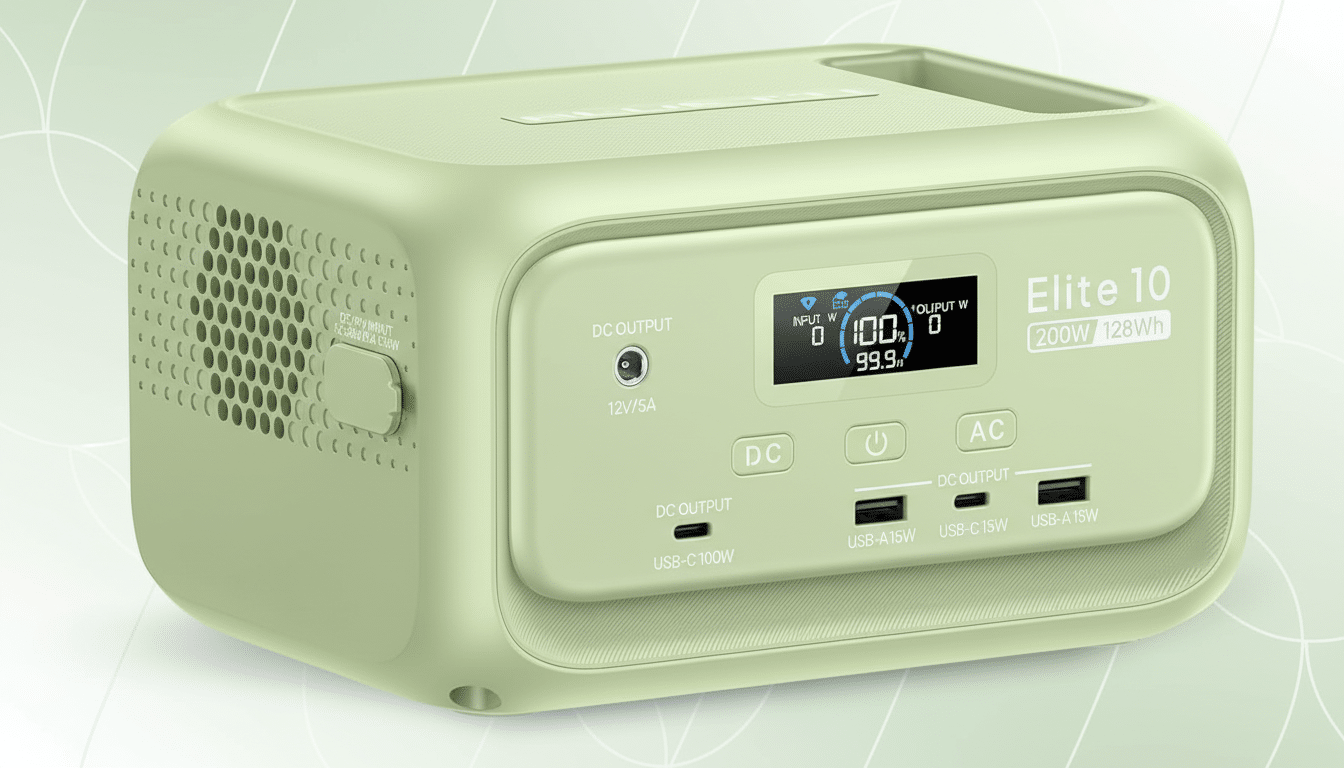
The Elite 10 mini’s 128Wh capacity is built for quick, practical wins: keeping phones alive, topping up a laptop, running a Wi‑Fi router, or powering small campsite gear. It’s the kind of kit you stow in a closet or trunk and forget about until an outage, a road trip, or a weekend away makes you glad you bought it.
- Why This Bluetti Elite 10 Mini Power Deal Stands Out
- What 128Wh Really Gets You With A Mini Power Station
- Who This Mini Power Station Best Serves And Why
- Buying And Safety Notes For The Bluetti Elite 10 Mini
- How It Compares On Value Against Similar Mini Units
- Bottom Line: Should You Buy The Bluetti Elite 10 Mini Now?
Why This Bluetti Elite 10 Mini Power Deal Stands Out
At $112.99, the price-to-capacity math is compelling. You’re paying roughly $0.88 per watt-hour (Wh). In this class, anything under $1/Wh is a strong value. Comparable mini stations typically float between $1 and $2/Wh depending on ports, inverter output, and battery chemistry. While larger units offer more total energy, their size and cost make them overkill for many everyday scenarios.
This drop also lands as more households prioritize preparedness. The U.S. Energy Information Administration has reported multi-hour average outage durations in recent years, driven by severe weather and grid stress. A small, efficient station won’t run a space heater, but it will keep communications, navigation, and work essentials online through a typical interruption.
What 128Wh Really Gets You With A Mini Power Station
Think of 128Wh as a modest energy “bank.” Most modern smartphones carry 11–16Wh batteries, so even factoring conversion losses, six full phone charges is realistic. Many thin-and-light laptops use 50–60Wh packs, translating to roughly two full charges if you’re not pushing heavy workloads. A home Wi‑Fi router and modem together often draw around 8–12W, which could mean 8–12 hours of connectivity. A 5W LED lantern could run for a full day.
What it won’t do: power hungry appliances like kettles, hair dryers, or portable AC units. Mini stations are meant for electronics and small DC loads. That’s a trade-off for portability — you get something you’ll actually carry instead of a bulky box that sits on a shelf.
Who This Mini Power Station Best Serves And Why
Urban and suburban households that want a grab-and-go backup for phones, a laptop, and a router will get the most mileage here. It also suits campers, festival-goers, and content creators who need to keep drones, cameras, and mics topped up without hauling a heavy rig. Road-trippers can keep it in the trunk for campsite lighting and device charging without idling the car.
Frequent flyers should note airline rules: according to the Federal Aviation Administration and Transportation Security Administration, lithium-ion batteries up to 100Wh can be carried on without approval, while 100–160Wh batteries (this unit is 128Wh) require airline approval and are prohibited in checked luggage. Plan accordingly if you expect to travel with it.
Buying And Safety Notes For The Bluetti Elite 10 Mini
Cycle life and battery chemistry matter. Bluetti is known for using LiFePO4 cells in many of its stations, which typically deliver 2,000+ charge cycles before significant capacity loss, but always confirm the chemistry for the Elite 10 mini in the product specs. LiFePO4 generally offers longer lifespan and better thermal stability than NMC, albeit at a small weight penalty.
Look for safety certifications such as UL and FCC, and store the unit at a partial state of charge in a cool, dry place. Consumer safety agencies recommend topping up lithium batteries every few months to preserve health. In cold weather, keep the station above freezing before charging for best results.
How It Compares On Value Against Similar Mini Units
Against similarly compact units, the Elite 10 mini’s current pricing is aggressive. While you can find larger capacities on sale, they come with higher upfront costs and added heft. For users who mainly need to bridge a few hours of work, navigate during a blackout, or keep essential communications running, spending less on a smaller, trusted-brand unit can make more sense than overbuying capacity you won’t carry.
Bottom Line: Should You Buy The Bluetti Elite 10 Mini Now?
At $112.99 — 43% off the list price — the Bluetti Elite 10 mini is a timely, wallet-friendly pickup for everyday resilience and weekend adventures. Mini power stations like this one won’t replace a generator, but they will keep your most important devices alive when it counts. Given how fast deal prices can bounce, this record low is well worth locking in while it lasts.
