


Ilya Lichtenstein, the hacker at the center of the BitfineX theft, says he’s been released from prison early and credits the First Step Act, signed by former President Donald Trump, as responsible for his break. In an X post, Lichtenstein called his return home an opportunity to give back and said he was going to help with technology and cybersecurity matters, while an administration official told CNBC that he is on home confinement as is “required by statute and BOP regulations.”
Lichtenstein cites First Step Act for early release
The First Step Act, a bipartisan criminal justice reform signed while Trump was in office, changed the way federal prisoners qualify for time-reducing jobs behind bars. Lichtenstein’s contention highlights how the law has emerged as a powerful apparatus in earlier movements from prison to prerelease terms like halfway houses or home confinement.
- Lichtenstein cites First Step Act for early release
- How federal time credits work under the First Step Act
- Key points in the Bitfinex case and investigation details
- Implications for crypto enforcement and sentencing shifts
- Politics and policy collide in debates over First Step Act
- What comes next for Lichtenstein, custody, and compliance

Federal inmates are already allowed under the law to receive increased good conduct time and earn time credits for participating in programs that reduce recidivism or work activities. The Bureau of Prisons then uses the credits to reduce time served in secure facilities and transfer eligible inmates to halfway houses or home confinement. Officials have said thousands of people have been helped since rollout began, though audits by the Justice Department’s inspector general found struggles with its launch and inconsistency in how it has been applied between facilities.
How federal time credits work under the First Step Act
The law raised the credit for good conduct time to 54 days a year for every year of sentence imposed. Beyond that, prisoners are eligible to earn 10 days of time credits for every 30 days in qualifying programs and up to an additional 5 days per 30 if they sustain low risk on consecutive assessments under the PATTERN risk tool. Those credits are typically applied to prerelease custody, not subtracting from supervised release.
In reality, someone who was serving a five-year sentence could cut about nine months off through good behavior alone, with credit for time off earned moving up their transfer to a halfway house or home confinement even further. The BOP maintains discretion in granting credits—balancing issues of public safety against program availability and statutory eligibility.
Key points in the Bitfinex case and investigation details
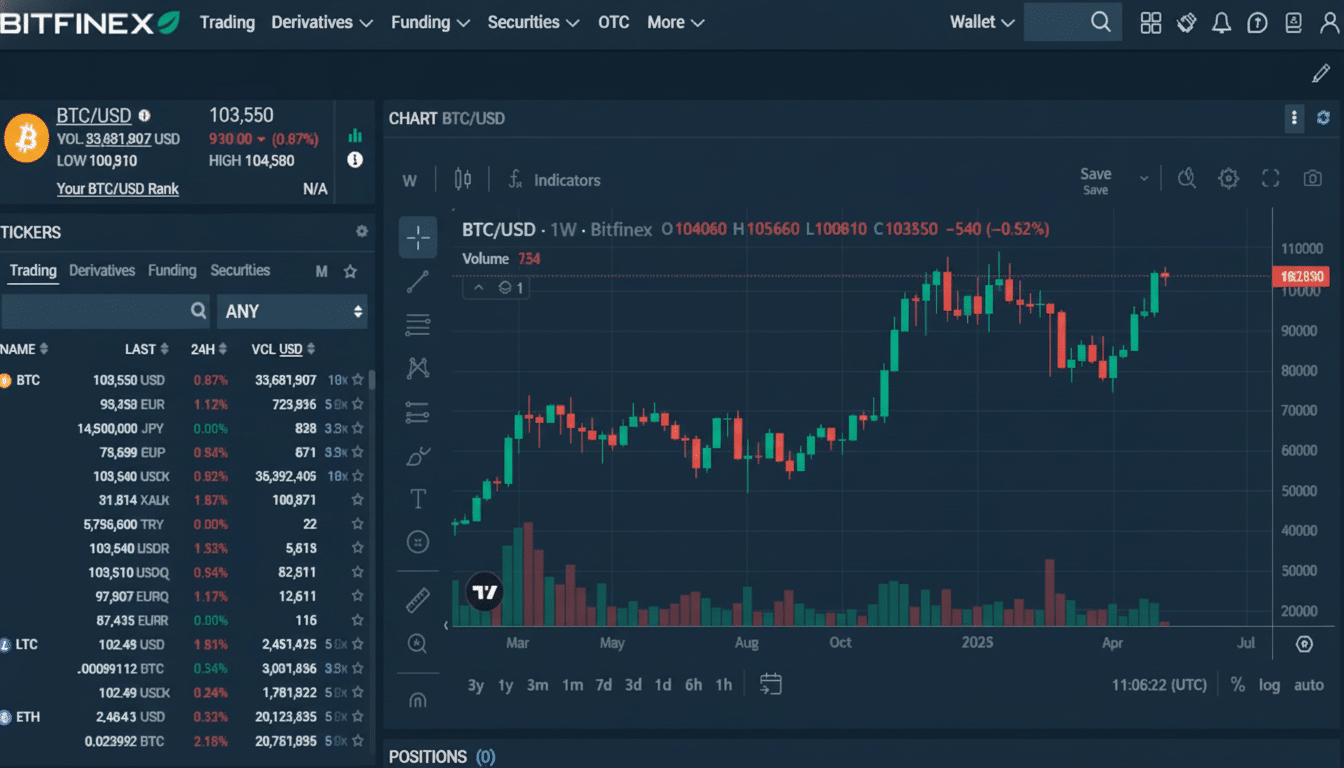
Lichtenstein and his wife, Heather Morgan, were arrested following a years-long investigation into the 2016 Bitfinex hack, during which 119,756 bitcoin were stolen from the exchange. Investigators also later recovered some $3.6 billion in bitcoin linked to the case, one of the biggest hauls of stolen digital currency ever, as IRS–Criminal Investigation and the FBI took lead roles at critical points during the investigation.
Lichtenstein admitted to facilitating the hack and pleaded guilty to money laundering charges that brought a five-year sentence. The saga of the couple, meanwhile, went from indictment to pop culture—becoming a Netflix documentary titled “Biggest Heist Ever,” which described how on-chain forensics, exchange compliance, and old-fashioned search warrants coalesced to unravel the scheme.
Implications for crypto enforcement and sentencing shifts
Lichtenstein’s change in status does not affect the forfeiture and restitution landscape. But the coins are forfeited to the government, and any supervised release terms, of course, will impose restrictions on what he can do going forward. But the episode underscores two realities: blockchain tracing is still a powerful law enforcement weapon, and sentencing results in crypto crimes are similarly at risk of the kind of recalibration that can occur throughout the federal system.
The Bitfinex matter is a touchstone for the broader cryptocurrency industry. Firms like Chainalysis and TRM Labs have tracked waves of thefts that can amount to billions a year—often involving DeFi hacks or attacks on exchanges. Numbers vary over time, but the trend is steady: high-profile cases make splashy seizures, but prevention depends on swift incident response and airtight custody procedures, with cross-border coordination.
Politics and policy collide in debates over First Step Act
Lichtenstein’s effusive thanks to Trump provides the First Step Act with a fresh, if divisive, testimonial. Proponents of the law say such incentives reduce recidivism and facilitate reentry, and preliminary indicators suggest measurable gains in case management and program participation. Detractors, though, say that high-profile offenders can seem to get a break even when changes are the result of neutral criteria and standardized credits.
It is not clear to what extent any White House action had a direct bearing on Lichtenstein’s status; an administration official has noted that his home confinement is in accordance with the letter of existing statutes and Bureau of Prisons policy. That nuance is important: The First Step Act altered the plumbing of the system, not its prosecutorial posture.
What comes next for Lichtenstein, custody, and compliance
Lichtenstein says he hopes to work back into the cybersecurity space, a future that will likely demand strict compliance with supervision rules and restrictions common in post-custody cases. For regulators and exchanges, the larger message has not changed: crypto’s big target platforms are going to keep getting flayed, and the tools of enforcement—on-chain sleuthing, asset takedowns, international warrants—remain ripe for evolution.
Whether due to policy or prison programming, Lichtenstein’s early departure reflects how a wide-ranging federal reform can ripple into even the most gruesome of the crypto prosecutions, adjusting timelines but not total accountability underneath.
