


ASUS has confirmed it is pausing development of new smartphones and redirecting its mobile R&D teams to AI-centric hardware, a pivot that casts serious doubt on the future of Zenfone and ROG Phone. Chairman Jonney Shih outlined the decision at a company event in Taipei, according to local reporting echoed by Notebookcheck, noting that the company will stop adding new phone models and focus on AI PCs and “Physical AI” devices such as smart glasses and robotics. While ASUS stopped short of declaring a full exit, the language suggests an indefinite freeze rather than a short hiatus.
Why ASUS Is Stepping Back From Smartphone Development
The smartphone market has become unforgiving for midscale players. Analysts at IDC and Counterpoint Research have documented how the top five vendors control the vast majority of global shipments, leaving limited oxygen for niche brands without carrier muscle or massive marketing budgets. At the same time, component costs for flagship-class devices—high-end camera modules, custom image pipelines, premium OLED panels, and cutting-edge modems—push break-even volumes higher each year.
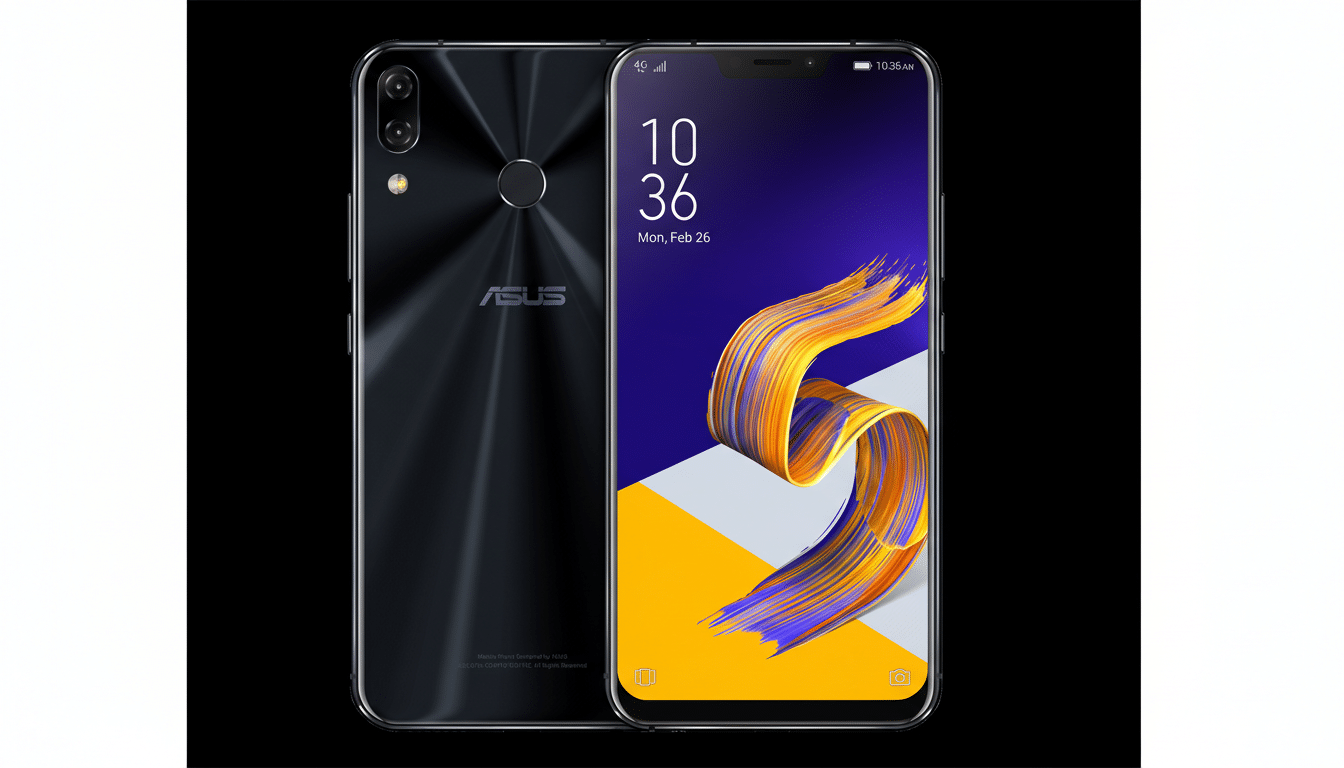
ASUS, which carved out a loyal following with compact Zenfones and high-spec ROG Phones for gamers, lacks the distribution scale that helps absorb those costs. Carriers increasingly push tightly curated lineups, and retail channels reward brands that can fund promotions quarter after quarter. When growth stalls, the math turns brutal. Extending Android support timelines also adds recurring costs, with security patches, driver maintenance, and regional compliance testing stacking up long after a device launches.
AI PCs and Physical AI Take Center Stage at ASUS
Shih’s remarks outlined a clear reallocation of talent from phones to AI hardware. That includes so-called AI PCs—laptops and desktops engineered around powerful on-device neural processing—and “Physical AI,” a catchall for intelligent devices that blend sensors, edge compute, and new interfaces. It’s a bet that aligns with broader industry momentum: major chipmakers are racing to ship PC platforms with substantial NPU performance, and operating system makers are retooling software around local AI capabilities.
Independent forecasts suggest the PC refresh cycle could accelerate as AI features move from novelty to table stakes. IDC, for example, has projected that AI PCs will rise to a majority share of shipments within the next product cycles, supported by enterprise adoption and new consumer use cases. By consolidating R&D on this wave, ASUS can concentrate engineering and marketing where customers are more open to premium pricing and differentiated hardware.
Smart glasses and robotics are higher risk but potentially higher reward. While shipments of head-worn displays remain small, firms such as CCS Insight and Canalys have pointed to steady gains in enterprise trials for logistics, field service, and remote assistance. If ASUS can pair its industrial design and display expertise with credible AI at the edge, it gains a chance to shape a category early rather than fight entrenched giants in phones.
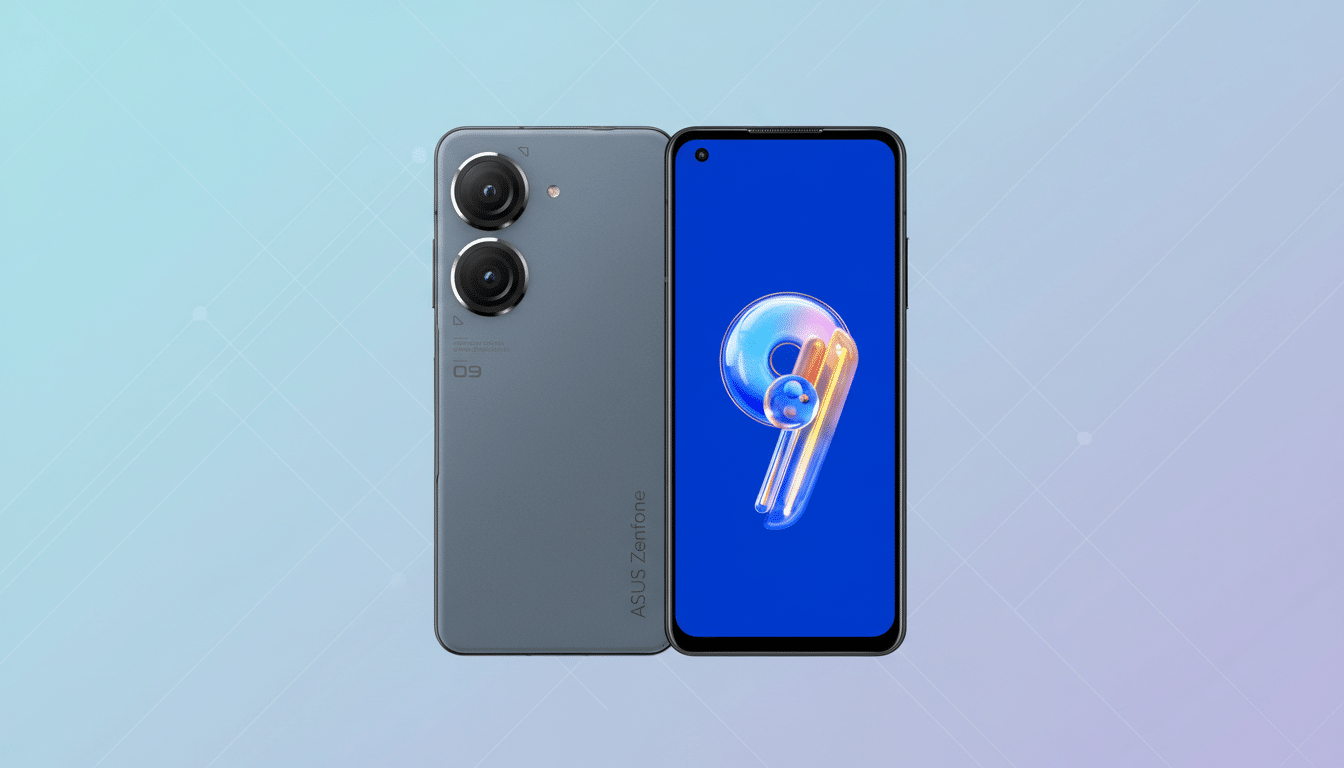
What It Means For Zenfone And ROG Phone Owners
ASUS says it will continue to support existing phones, with details still being finalized. In practical terms, owners should expect warranty service, repair parts, and security updates to continue in line with regional obligations and previously stated policies. The bigger unknown is new features or major Android version upgrades, which depend on the depth of ongoing software investment and partner support for older chipsets.
Retail inventory of current models will likely wind down rather than be replenished. Accessory ecosystems could also thin out as third-party makers prioritize higher-volume brands. Resale values may hold up for cult favorites—the compact Zenfone models have a devoted fanbase—but collectors’ appeal does not substitute for long-term platform momentum.
A Familiar Tech Story With ASUS Specifics
ASUS is not the first to retreat from smartphones. LG exited after years of red ink, and HTC largely pivoted to XR. The common thread is scale. Without consistent double-digit share in key markets, even strong engineering struggles against marketing spend, carrier leverage, and supply chain advantages enjoyed by the largest vendors. Gaming phones illustrate the challenge: despite outsized buzz, Counterpoint Research has long characterized the category as a niche sliver of total shipments, limiting ROI on bespoke cooling systems and high-refresh displays.
For ASUS, the calculus is also about opportunity cost. Every engineer fine-tuning modem performance or camera tuning on a low-volume phone is one not shipping an AI laptop or a next-gen wearable. If AI PCs command premium margins and enterprise contracts, the resource shift becomes hard to argue with—even if it disappoints mobile enthusiasts who valued ASUS’s willingness to zig when others zagged.
Will ASUS Return to Phones After This AI Pivot?
Shih left the door ajar but set expectations low. Given the scale of the pivot and the costs of maintaining a modern phone pipeline, a quick comeback appears unlikely. A future reentry would probably require a partnership that lowers go-to-market barriers or a breakthrough device that leverages ASUS’s AI work in a way phones today cannot. Until then, the company’s mobile story looks paused indefinitely, with AI hardware now the main event.
