


One of the first things homeowners want to know when they are considering switching from a traditional heating system to a modern and efficient heat pump is if there are any grants available. This is especially true for apartments and flats. Heat pumps are a great alternative to fossil-fuel heating systems, especially with rising energy prices and environmental concerns. UK energy companies and the government have created several grant schemes that help with heat pump installation costs. The type of home you live in can have a big impact on your eligibility. This blog examines whether apartments and flats can receive heat pump grants. It also explains how the system works, what schemes are available, and important eligibility criteria.
Heat pumps are a vital part of the UK’s efforts to reduce carbon emissions. Recent figures show that millions of homes must switch to low-carbon heating by 2030. However, the uptake is uneven among different types of property. The question of whether or not a flat owner or renter is eligible for a grant can be confusing. This blog will explain your options in simple language so that you can make an informed decision about your home.
- Heat Pumps and Their Benefits
- Primary UK Heat Pump Grant Schemes
- Can Flats and Apartments Get Heat Pump Grants?
- Eligibility Criteria for Heat Pump Grants
- Property Ownership
- Existing heating system
- Taxes and Benefits
- Energy Performance Certificate
- Installing the system is a feasible option
- Berks Insulation: A Trusted Partner for Free Heating Upgrades
- Conclusion
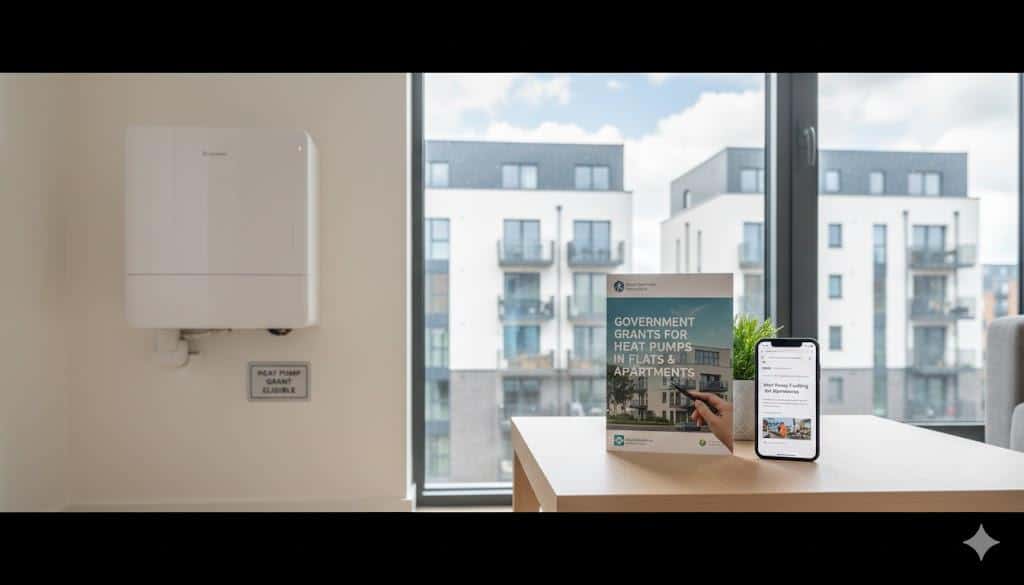
Heat Pumps and Their Benefits
A heat pump is an electric heating system that moves heat from the outside to your home or vice versa. Heat pumps, unlike gas boilers, do not use fuel to produce heat. They use renewable energy that is found in the air, water, and ground around your home. Air source heat pumps are the most common for homes. They extract heat from outside air, even during cold weather.
Heat pumps are more energy efficient than boilers. Air source heat pumps can operate at efficiency levels of 300-400%. This means that for every unit of electricity they consume of electricity, they generate three to four units of warmth. Over time, this efficiency reduces household carbon emissions as well as heating bills. This makes them an environmentally friendly and cost-effective option for home heating. According to recent data, grant applications for heat pump installations increased by 39% compared to the previous year in 2024. This shows a growing interest in this technology.
The upfront costs of purchasing and installing a heat pump can be high, despite these benefits. Grant schemes from the government and energy providers can help to make these systems more affordable for households.
Primary UK Heat Pump Grant Schemes
There are two main ways that UK property owners can receive financial assistance for installing heat pumps:
1. Boiler Upgrade System (BUS)
The Boiler Upgrading Scheme offers funding up to 7,500 PS towards the installation costs of eligible heat pumps, such as air source or ground source heat pumps. The scheme provides financial support to homeowners in England and Wales for replacing fossil fuel heating systems, such as oil or gas boilers, with low-carbon alternatives.
This grant is designed to reduce the upfront costs of heat pumps and make them more affordable for a wider variety of households. The scheme is part of a wider government initiative to reduce carbon emissions and improve energy efficiency.
2. ECO4 Scheme – Energy Company Obligation
The ECO4 Scheme, a government initiative, requires large energy providers to assist households in improving energy efficiency and reducing their energy bills. Under ECO4, households that qualify may receive energy efficiency upgrades such as heat pumps, solar panels, insulation, and be heavily subsidised.
ECO4’s main objective is to help low-income households and vulnerable families by reducing their energy costs. The eligibility of ECO4 is often determined by the household’s income or the receipt of certain benefits. One of the criteria for eligibility includes the energy rating of the property.
Both of these schemes are the foundation for UK support to clean heating systems such as heat pumps. These two schemes have been instrumental in increasing the uptake of heat pumps, but there are limitations to their use for certain types of property – namely flats and apartment buildings.
Can Flats and Apartments Get Heat Pump Grants?
Short answer: It depends. It also depends on grant schemes and the specific circumstances of a building. Flats and apartments, unlike houses, face additional challenges because of shared structures, a lack of outdoor space or restrictions on where heat pumps can be installed.
Why do some schemes exclude flats
Many grant schemes demand that the heat-pump unit be installed on an exterior wall or have access to outdoor space. Air source heat pumps require space for air circulation in order to function effectively. This space may not be available in a flat, apartment or mid-floor unit, particularly if it is surrounded by homes. Solar panels are also often not allowed for flats, as residents do not usually own the roof. This is another requirement for many renewable energy grants.
Some schemes specifically state that apartments and flats are not eligible for funding, especially if installation requirements cannot be met. It is therefore possible that individual flat owners will find it difficult to obtain funding for schemes such as ECO4 and the Boiler Upgrading Scheme if they do not make changes to their building’s common areas.
Eligibility Criteria for Heat Pump Grants
The eligibility for grants to heat pumps varies depending on the scheme, but usually includes:
Property Ownership
In most grant schemes, the applicant must be either the homeowner or, in some cases, a private renter with the landlord’s approval. Sometimes landlords can apply on behalf of tenants, particularly under the ECO4 program.
Existing heating system
For many grants, including the Boiler Upgrading Scheme, the heat pumps must replace an inefficient or old fossil fuel heating system, such as an electric heater or gas boiler. The goal is to encourage people to switch to low-carbon heat.
Taxes and Benefits
ECO4 eligibility is often based on the fact that someone in the family receives means-tested benefits, or the household income must be below a certain threshold. The support is aimed at households with lower incomes who can benefit the most from energy saving.
Energy Performance Certificate
It is often necessary to have a valid EPC in order to prove that the property requires energy efficiency improvements. Priority is often given to properties with low ratings (e.g. D, E or F).
Installing the system is a feasible option
It is important to consider the physical feasibility of installing a heat pump. This includes having sufficient space on an exterior wall and access to outside areas.
Berks Insulation: A Trusted Partner for Free Heating Upgrades
The grant application process can be overwhelming for many homeowners and tenants. Trusted partners such as Berks Insulation make a difference. Berks Insulation is a specialist in helping homeowners access government-backed energy-efficient schemes, such as the Eco4 Scheme, to receive free or subsidised upgrades. They can handle assessments, eligibility checks, and applications for you, making it easy to get financing and improve your home comfort. This assistance is particularly valuable for apartment owners who require expert guidance to meet scheme requirements and navigate the technical aspects. Berks Insulation’s commitment to energy efficiency and reducing carbon emissions while reducing heating costs makes them an ideal partner for your energy-saving journey.
Conclusion
Heat pump grants in the UK can reduce the cost of installing efficient, modern heating systems. The Air Source Heat Pump grants, as well as other funding options like the Boiler Upgrading Scheme and ECO4, have made low-carbon heat accessible to many homeowners. The eligibility rules for flats and apartments are more complicated than those of houses due to the installation requirements and grant guidelines.
Some flats will qualify if the physical conditions are met or if a group of residents works together to manage the building. You should carefully review the eligibility criteria of each scheme and consult professionals who are familiar with multi-unit building nuances.
More tailored solutions are likely to be developed for apartments and flats as the move towards greener heating continues. Anyone living in an apartment who is considering installing a heat pump can still have hope. But the process often requires preparation, expert advice, and collective action by building owners and residents. Make sure heat pump disadvantages also takes a place.
You can maximise your chances of receiving funding by staying informed, understanding the eligibility rules, and working with trusted companies like Berks Insulation.
