


Apple has expanded its pro monitor lineup with two new 27-inch models, unveiling a refreshed Studio Display alongside an all-new Studio Display XDR aimed squarely at creators who live in HDR timelines and color-managed workflows. The move signals a renewed push to give Mac users a native 5K canvas with modern motion performance and pro-grade brightness.
What’s New in Apple’s Pro Monitors This Generation
The Studio Display remains the entry point, while the Studio Display XDR is the flagship, bringing a 27-inch 5K Retina XDR panel with a mini‑LED backlight, a 120Hz refresh rate, and more than 2,000 local dimming zones. Apple is pitching the XDR as its best pro display yet, and the spec sheet backs up the claim: peak HDR brightness hits 2,000 nits, targeting demanding finishing and VFX use cases.
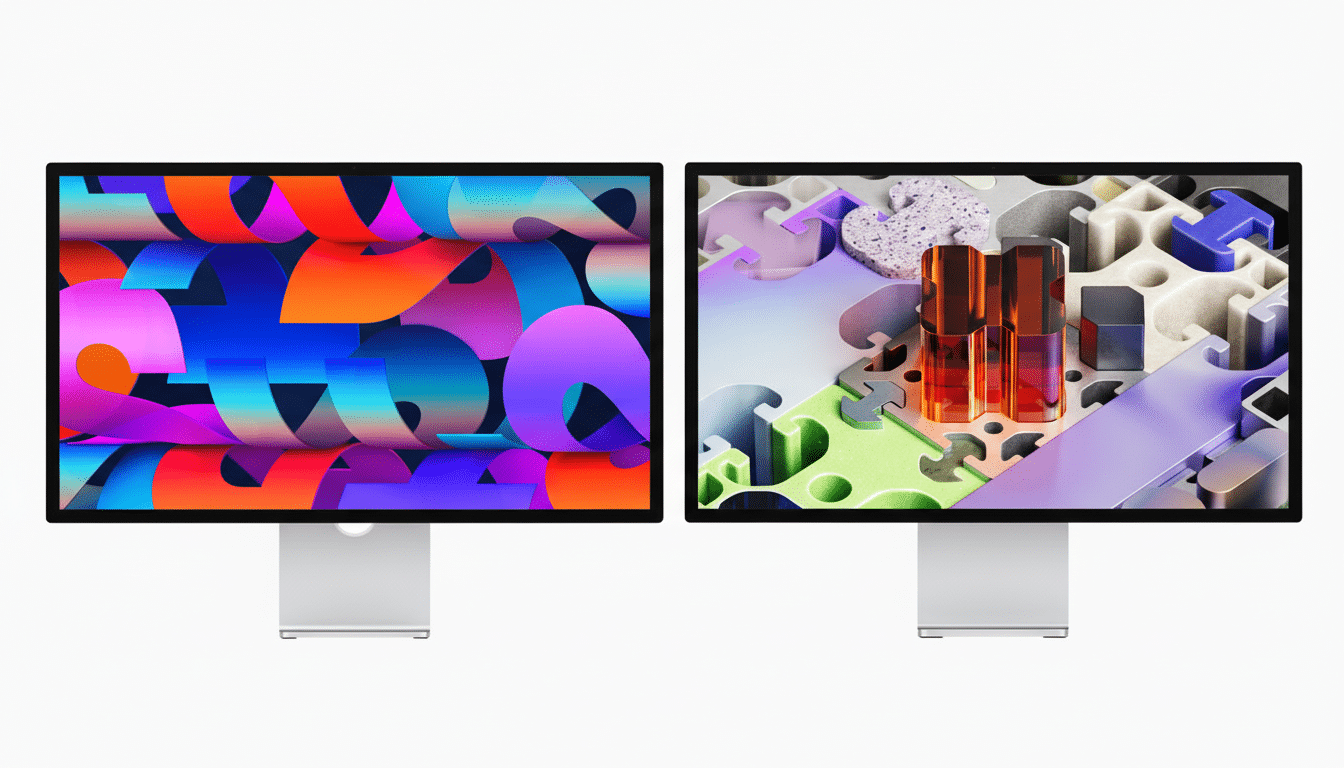
Apple’s hardware chief John Ternus characterized the new XDR as “a huge leap forward for XDR technology,” framing it as the company’s most advanced external display for professional creatives. The standard Studio Display focuses on everyday pro needs, while the XDR doubles down on HDR, motion clarity, and contrast control.
Performance and Picture Quality on the New Displays
At 5120×2880, a 27-inch 5K panel delivers roughly 218 pixels per inch, the sweet spot for macOS’s pixel-doubled “Retina” workspace that presents a crisp, 2560×1440-equivalent UI without sacrificing detail. That density matters for colorists and editors working with fine text, vector art, and UHD timelines.
The XDR’s mini‑LED backlight and >2,000 dimming zones are designed to suppress blooming and lift intra‑scene contrast well beyond traditional edge-lit IPS monitors. With 2,000 nits of HDR headroom—about 25% higher than the 1,600‑nit peak on recent 14‑ and 16‑inch MacBook Pro models—highlight detail in specular elements should hold up in bright grades while maintaining controlled blacks.
The jump to 120Hz on the XDR isn’t just a gaming convenience; for video editors and animators, higher refresh improves timeline scrubbing responsiveness, reduces perceived judder in high-motion previews, and sharpens pen input feel. Driving 5K at 120Hz typically requires Display Stream Compression over Thunderbolt 4/USB4, a technique common in modern pro pipelines and supported across current Macs.
Audio and camera features built for today’s hybrid work
Both displays lean into the realities of hybrid work. The Studio Display features a 12MP camera with Center Stage, an upgraded imaging pipeline, a three‑microphone array tuned for clarity, and a six‑speaker system that supports spatial audio. For teams living inside Final Cut Pro, Logic Pro, or Zoom all day, those integrated components reduce the dongle sprawl without compromising baseline quality.
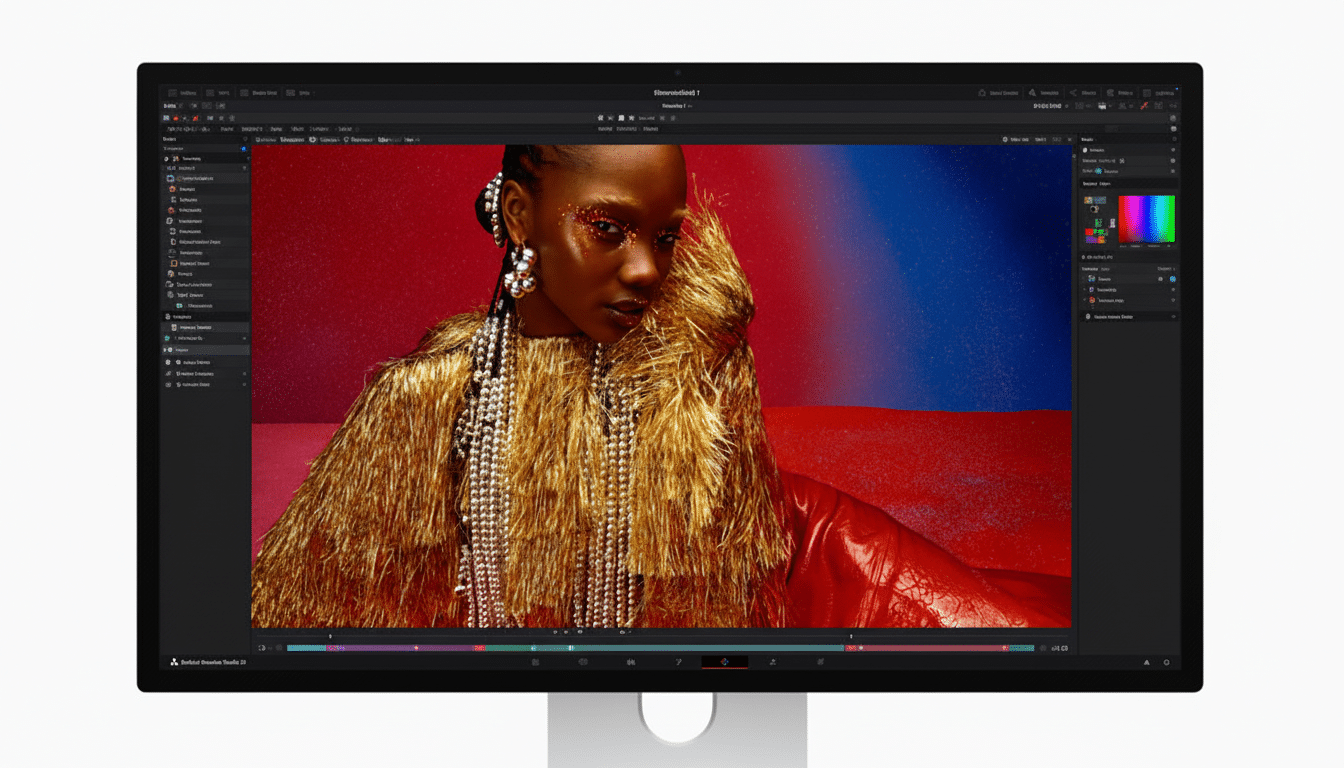
Apple’s decision to keep premium audio and video hardware on board is pragmatic; it turns the monitor into a workstation hub that can carry voice, music, and reference playback without external bars or webcams cluttering the desk.
How these displays fit into today’s professional landscape
Context matters: Apple’s prior Pro Display XDR (32‑inch, 6K) set a high-water mark for Mac‑centric reference-class panels but topped out at 60Hz and used a 576‑zone backlight. The new 27‑inch XDR trades some surface area for far denser local dimming and doubles the motion cadence, appealing to editors, 3D artists, and interactive designers who prioritize contrast control and fluidity over sheer screen size.
Against third‑party options, the standard Studio Display continues to compete with 27‑inch 5K stalwarts favored by Mac users, while the XDR’s 2,000‑nit HDR output and zone count push it beyond most IPS HDR monitors in the price tier. True SMPTE‑grade reference displays like Sony’s BVM series still live in a different universe—both in calibration features and cost—but Apple’s XDR aims to cover the vast majority of HDR editorial and finishing needs at a fraction of that investment.
Pricing and availability for Studio Display and XDR
The Studio Display starts at $1,599, positioning it as a high‑end, everyday pro panel for Mac users who want 5K sharpness with strong audio and camera integration. The Studio Display XDR starts at $3,299, reflecting its mini‑LED backlight, 120Hz refresh, and HDR ambitions. Apple says both models are available to order, with retail availability to follow.
For creative teams weighing upgrades, the calculus is straightforward: choose the Studio Display for a sharp 5K canvas with solid I/O perks, or step up to the XDR if your workflows lean into HDR grading, high‑motion content, or you simply want the most precise backlight control Apple offers in a 27‑inch form factor.
