


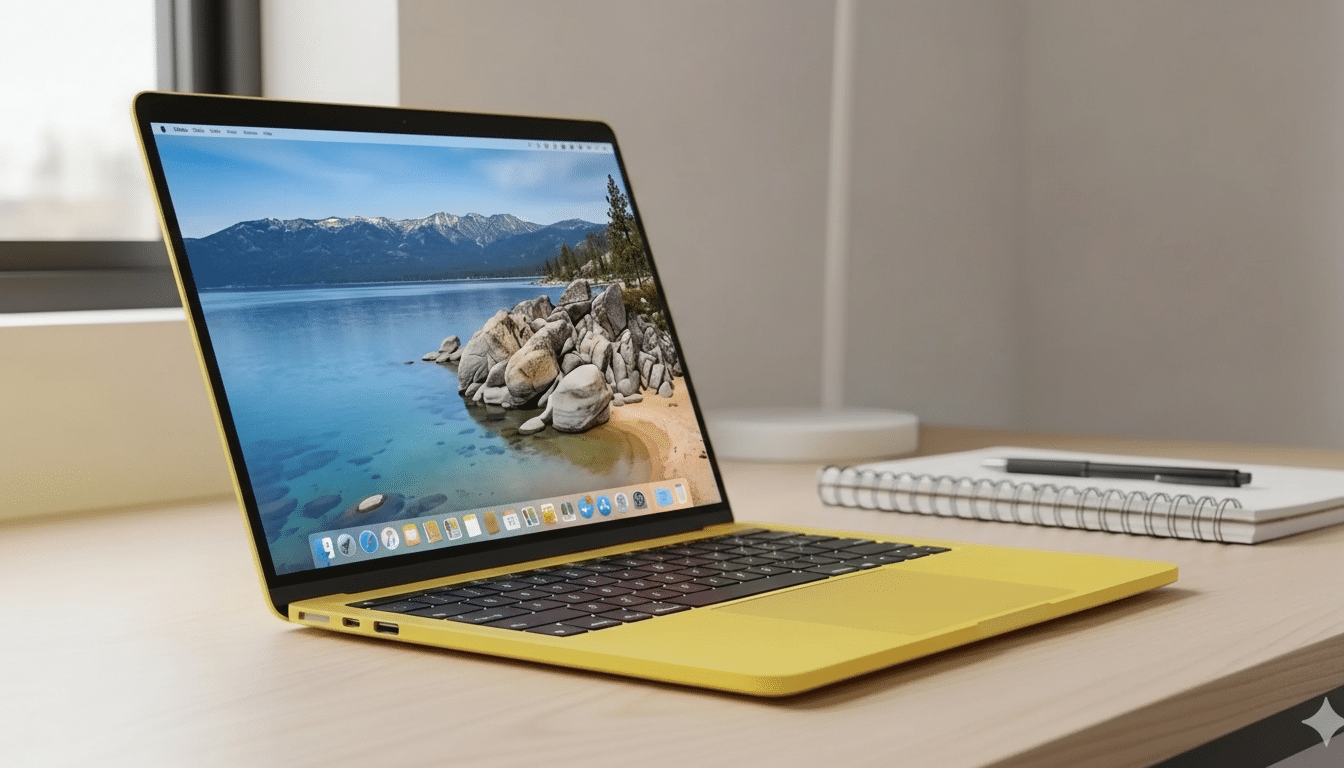
Apple is rumored to be on the verge of introducing MacBook Neo, a lower-cost, colorful laptop aimed at broadening the Mac lineup and taking a swing at the budget segment long dominated by Chromebooks. Reports from MacRumors and Bloomberg suggest the announcement could land this week, with hints pointing to multiple color options and a different chip strategy than recent M‑series Macs.
What MacBook Neo Signals For Apple’s Strategy
The prospect of a genuinely affordable MacBook marks a notable strategic turn. Apple has rarely contested the sub-$1,000 laptop space in earnest, ceding high-volume education and entry markets to low-cost Windows notebooks and ChromeOS devices. Futuresource Consulting estimates ChromeOS accounts for roughly three-quarters of US K–12 deployments, a stronghold Apple has struggled to dislodge despite iPad successes. A cheaper Mac could address that gap with a full desktop-class OS, unified management, and Apple’s tight hardware–software integration.
There’s also a timing angle. PC makers are counting on a refresh cycle as consumers and schools look to replace aging devices. IDC has flagged a return to modest growth in traditional PC shipments, creating an opening for a fresh form factor from Apple that emphasizes longevity and ease of management—two areas that matter in education and fleet purchases.
A‑Series Chip Rumor And Why It Could Matter Now
MacRumors reports Apple briefly published a regulatory document referencing “MacBook Neo,” while Bloomberg has outlined the broad contours of a low-cost Mac. A key rumor is that Neo will run on an iPhone-class A‑series chip rather than an M‑series processor. That would be unusual for a Mac but not implausible: Apple Silicon’s ARM foundation spans both A‑ and M‑lines, and Apple has previously demonstrated macOS running on A‑series silicon during its architecture transition.
If Apple opts for an A‑series SoC, expect excellent power efficiency, instant wake, and fanless designs that stay cool and quiet. Performance would likely be tuned for everyday tasks—web apps, productivity, streaming, and coding basics—rather than heavy pro workflows. Apple could still lean on its Neural Engine for on-device AI tasks and use unified memory to keep the system responsive. The big question is how the company positions Neo against the MacBook Air: clear messaging on capabilities will be crucial to avoid confusion.
Competing With Chromebooks On Total Cost
Price is only part of the story. Schools and cost-conscious buyers look at total cost of ownership: durability, battery life, deployment, and support. Apple can make a strong case with Apple School Manager, Managed Apple IDs, and robust MDM support, but it must also show that Neo’s hardware holds up to years of student use and that repairs don’t derail budgets.
Component pricing may complicate the equation. TrendForce has tracked DRAM contract prices rising by roughly 10–20% across multiple recent quarters, pushing manufacturers to rethink memory configurations. Separately, industry reports have noted meaningful price increases on some new MacBook Pro models, attributed in part to memory costs. If Neo arrives meaningfully below the MacBook Air entry point, that will indicate Apple has found room to maneuver despite a choppy memory market.
Colorful Design And Materials For A Budget Mac
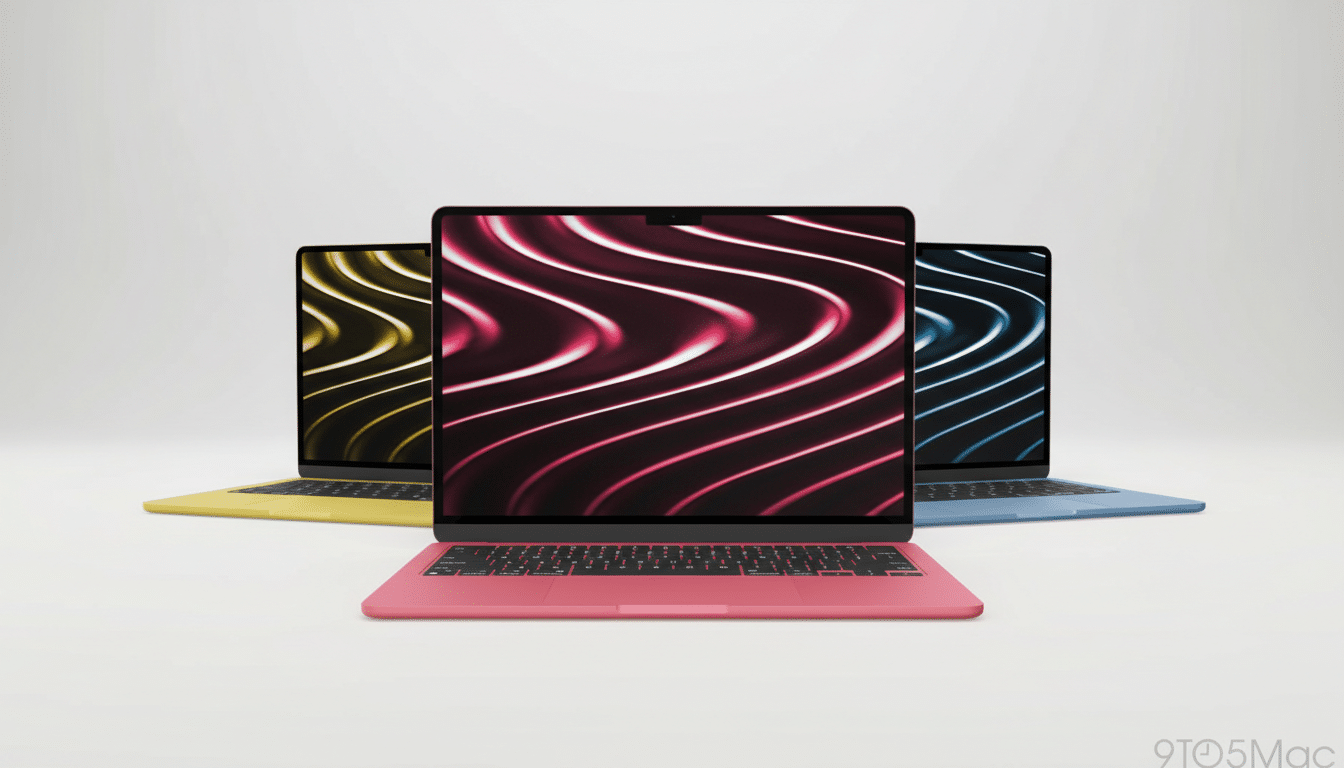
Leaks point to a playful color palette—echoing Apple’s history with the iBook, iMac, and more recent pastel-hued devices. Color isn’t just aesthetic; it’s a signal that Neo is meant to be approachable and student-friendly. Achieving bold finishes at scale raises material questions: anodized aluminum enables crisp colors but adds cost, while polycarbonate can deliver vivid tones and resilience at lower prices. Apple’s recycled materials push also suggests Neo could spotlight sustainability metrics to appeal to institutions with emissions goals.
Ports and expandability will be telling. A couple of USB‑C ports, a headphone jack, and support for affordable USB‑C hubs could keep accessory costs down for classrooms and families. A bright, durable display, spill-resistant keyboard considerations, and a trackpad fine-tuned for palm rejection would go a long way toward everyday usability.
What To Watch If Neo Debuts At Apple’s Event
Keep an eye on four details:
- The starting price versus MacBook Air
- Base memory and storage
- The chip’s stated performance targets
- Any education-specific offers
If Apple pairs Neo with aggressive education pricing, streamlined provisioning tools, and accessories like lower-cost chargers or classroom-ready cases, it could quickly become a default choice for districts and families seeking longevity beyond a typical Chromebook replacement cycle.
Equally important will be software positioning. Demonstrations of fast web app performance, long battery life, and reliable video calling—and perhaps a nod to on‑device AI features running on the Neural Engine—would underscore the value case. If the rumors hold, MacBook Neo could be Apple’s most consequential laptop move in years, not because it’s the fastest Mac, but because it’s the most accessible.
For now, MacRumors’ accidental regulatory mention and Bloomberg’s reporting are the strongest public breadcrumbs. If Apple does pull the wraps off this week, the company will be signaling that the Mac is ready to compete where volume lives—on price, practicality, and a splash of color.
