


Apple’s long-rumored budget MacBook is reportedly close, and if the price lands where industry chatter suggests, it could upend the lower end of the laptop market. Windows makers and Chromebook vendors should be more than a little worried, because Apple doesn’t need to win on specs alone—it can win on ecosystem, efficiency, and brand trust.
Why A Budget MacBook Makes Sense For Apple Right Now
Consumers are holding onto devices longer and watching every dollar. IDC data shows Mac’s global unit share typically sits around 9–10%, while Windows PCs command well over 70%. The one place Apple hasn’t played aggressively is the true budget segment—precisely where Windows ultrabooks and Chromebooks have thrived. A cheaper MacBook lets Apple tap into new buyers without cannibalizing its premium Air and Pro lines.
- Why A Budget MacBook Makes Sense For Apple Right Now
- The Price That Changes Everything For Entry-Level Laptops
- Why Windows Laptops Should Be Nervous About A $599 MacBook
- Chromebooks Face A New Kind Of Pressure From A Cheaper MacBook
- Expected Specs And Smart Trade-Offs For A Budget MacBook
- What Could Hold It Back From Disrupting Entry-Level Laptops
- Bottom Line: How A $599 MacBook Could Reshape Budget Laptops
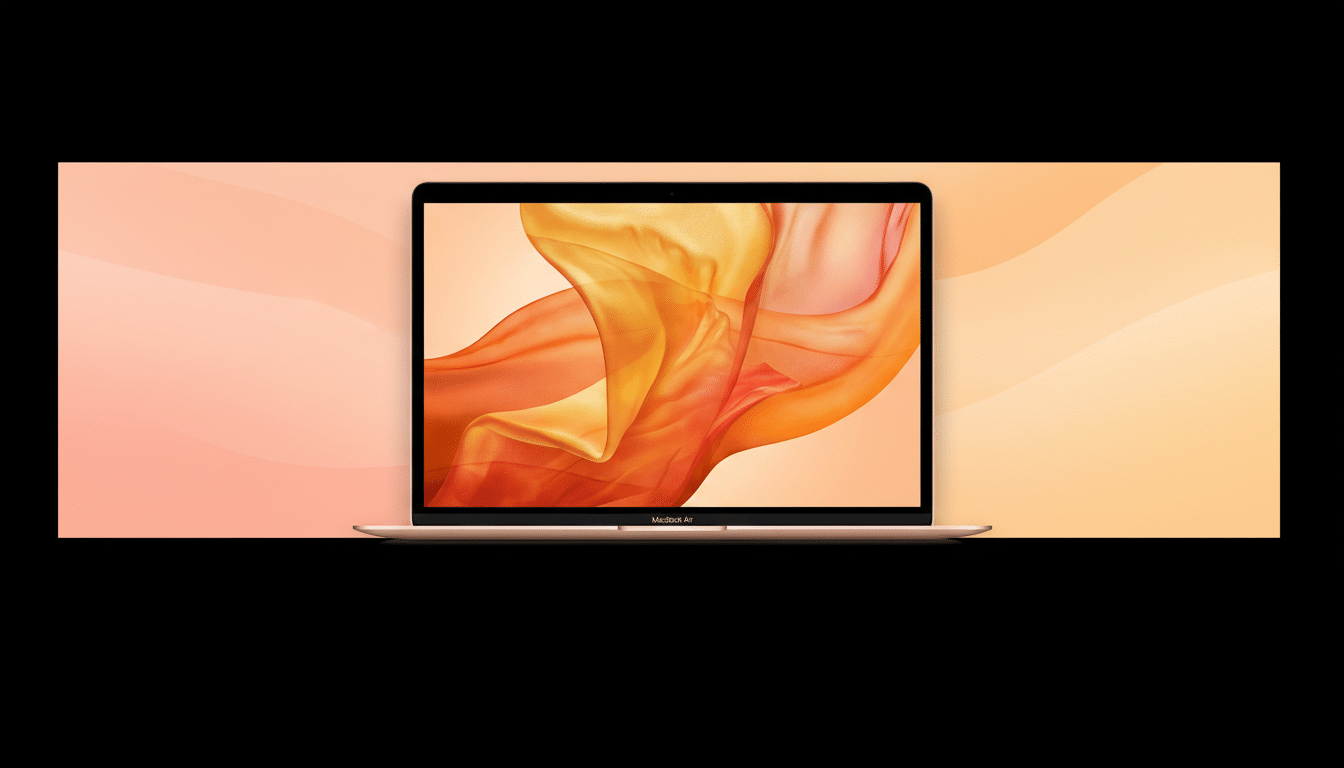
Crucially, Apple has the supply chain leverage to make it work. A phone-class A-series chip in a MacBook-grade chassis would reuse components Apple already builds by the tens of millions, shrinking costs while preserving the performance-per-watt advantage that made Apple Silicon famous.
The Price That Changes Everything For Entry-Level Laptops
Reporting from well-connected Apple watchers points to a model “well under $1,000,” with industry bets clustering around $599. At that price, this machine would overlap with mainstream Windows notebooks from Acer, Asus, HP, and Lenovo, and live squarely above many Chromebooks—but with a macOS badge and iPhone integration that can sway family and education buyers.
Windows OEMs already compete on razor-thin margins at $500–$800. Apple, buoyed by services and an ecosystem monetized across more than 2 billion active devices it has publicly disclosed, can afford to play a longer game on hardware margins if it means capturing first-time Mac owners.
Why Windows Laptops Should Be Nervous About A $599 MacBook
A $599 MacBook would weaponize Apple’s biggest advantages: battery life, quiet thermals, and seamless continuity with iPhone and iPad. Independent tests routinely show MacBook Air models running 15+ hours on a charge. If Apple brings similar endurance to a lower-cost chassis, many sub-$700 Windows machines—often heavier, louder, and shorter-lived—look suddenly dated.
There’s also total cost of ownership. macOS upgrades typically span many years, and resale values for Macs tend to outpace like-for-like Windows laptops on marketplaces tracked by refurbishers and resellers. For households and small businesses, that calculus matters as much as an on-paper spec bump.
Chromebooks Face A New Kind Of Pressure From A Cheaper MacBook
Chromebooks still own education in the U.S., with Futuresource Consulting often pegging their K‑12 share above 60%. Google has strengthened that position by extending automatic updates to 10 years for eligible models. But if Apple gets close on price while offering macOS, local apps without constant connectivity, and robust iPhone integration, the value story shifts for 1:1 programs and higher-ed students.
Apple’s management stack has matured, too. With Apple School Manager, Managed Apple IDs, and zero‑touch deployment via Automated Device Enrollment, the administrative friction that once kept Macs out of labs is lower than it used to be. A credible sub‑$700 MacBook would invite pilots in districts already issuing iPads or supporting BYOD.
Expected Specs And Smart Trade-Offs For A Budget MacBook
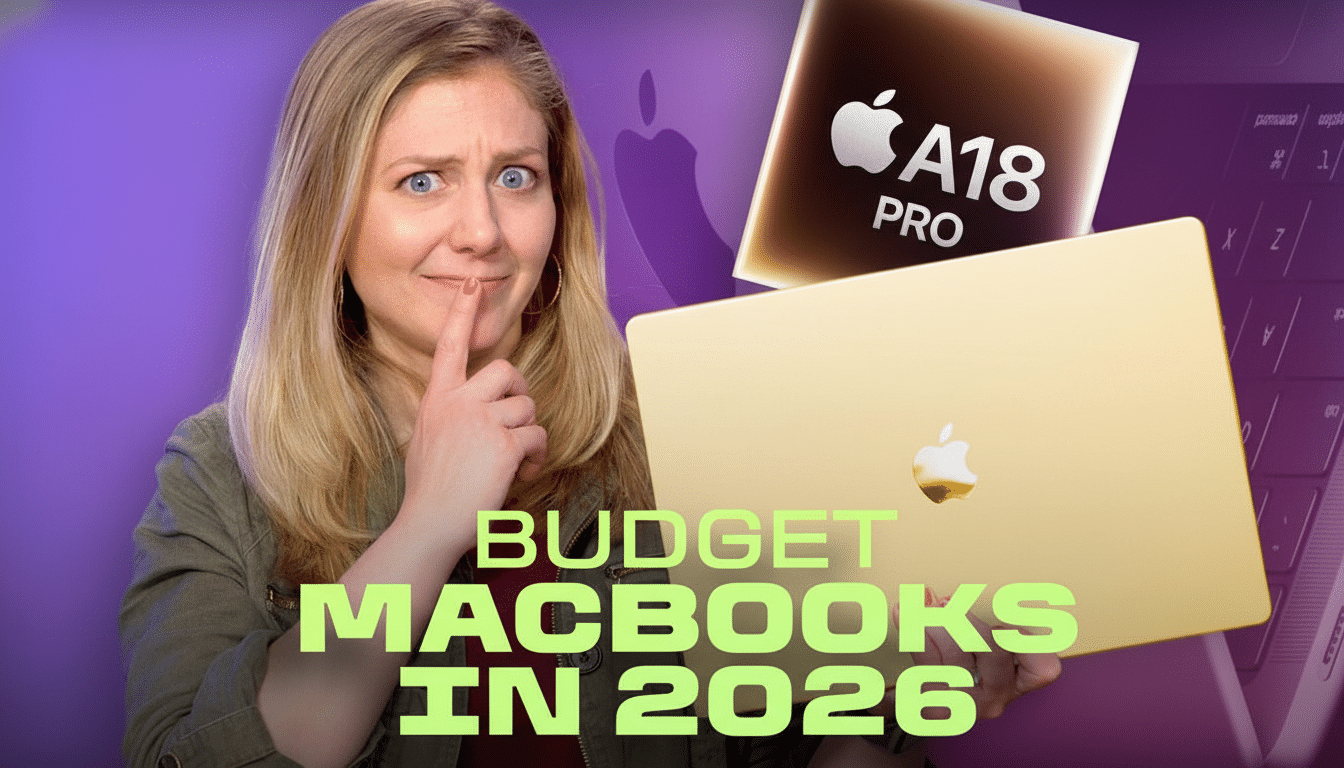
Whispers point to a 13‑inch design with a phone‑class A‑series chip (often referenced as A18), paired with a simpler display, fewer ports, and lower starting RAM and storage. That’s exactly how you cut price without gutting the experience. An A‑series part wouldn’t match the headroom of M‑series chips, but it would crush everyday tasks—web, Office/Google Workspace, video calls—and sip power doing it.
Compromises are likely: no Thunderbolt, perhaps just USB‑C; a 720p or modest 1080p camera; and limited external display support. For the intended audience—students, first‑time buyers, frequent travelers—those aren’t deal-breakers. They’re rational guardrails that separate this model from the Air and Pro.
What Could Hold It Back From Disrupting Entry-Level Laptops
Price discipline will make or break this device. At $699–$799, it risks colliding with discounted MacBook Air models and premium Windows ultrabooks. At $599 or lower, it becomes a category event. Storage also matters: a 128GB base could spark criticism, especially as apps swell and local AI features grow.
And while Apple’s ecosystem is a strength, it also sets expectations. Buyers will want the same polish as pricier Macs—trackpad feel, speakers, build quality—even if the panel and ports are trimmed. Apple has stumbled before with bargain‑adjacent Macs; it can’t afford a repeat.
Bottom Line: How A $599 MacBook Could Reshape Budget Laptops
If Apple delivers a capable, long‑lasting MacBook around $599, Windows makers will have to reprice or overdeliver, and Chromebooks will need to double down on their core advantages in management and cost. The threat isn’t a spec sheet—it’s Apple’s ability to pair good‑enough performance with unmatched ecosystem pull. That combination, at the right price, reshapes the entry‑level laptop conversation.
