


Apple’s new MacBook Pro lineup arrives with M5 Pro and M5 Max processors and a clear message to power users: more speed, more bandwidth, and more headroom—at a $200 premium over the last generation. In return, you get higher default storage, faster SSDs, longer battery life, and next-gen connectivity that aims squarely at pro video, 3D, and AI-assisted workflows.
M5 Pro and Max raise performance and efficiency ceilings
At the heart of the update is Apple’s new Fusion architecture, which unifies CPU, GPU, and Neural Engine in a single SoC tuned for low-latency data sharing. The chips scale up to an 18-core CPU with 12 performance cores and six efficiency cores, a configuration designed to sustain heavy parallel workloads without spiking thermals.
- M5 Pro and Max raise performance and efficiency ceilings
- Faster storage and expanded memory headroom for pros
- Connectivity steps up to Wi‑Fi 7 and Thunderbolt 5
- Battery gains and smarter power management for longevity
- Pricing reality and practical upgrade advice for buyers
- Bottom line: a focused release for creators and developers
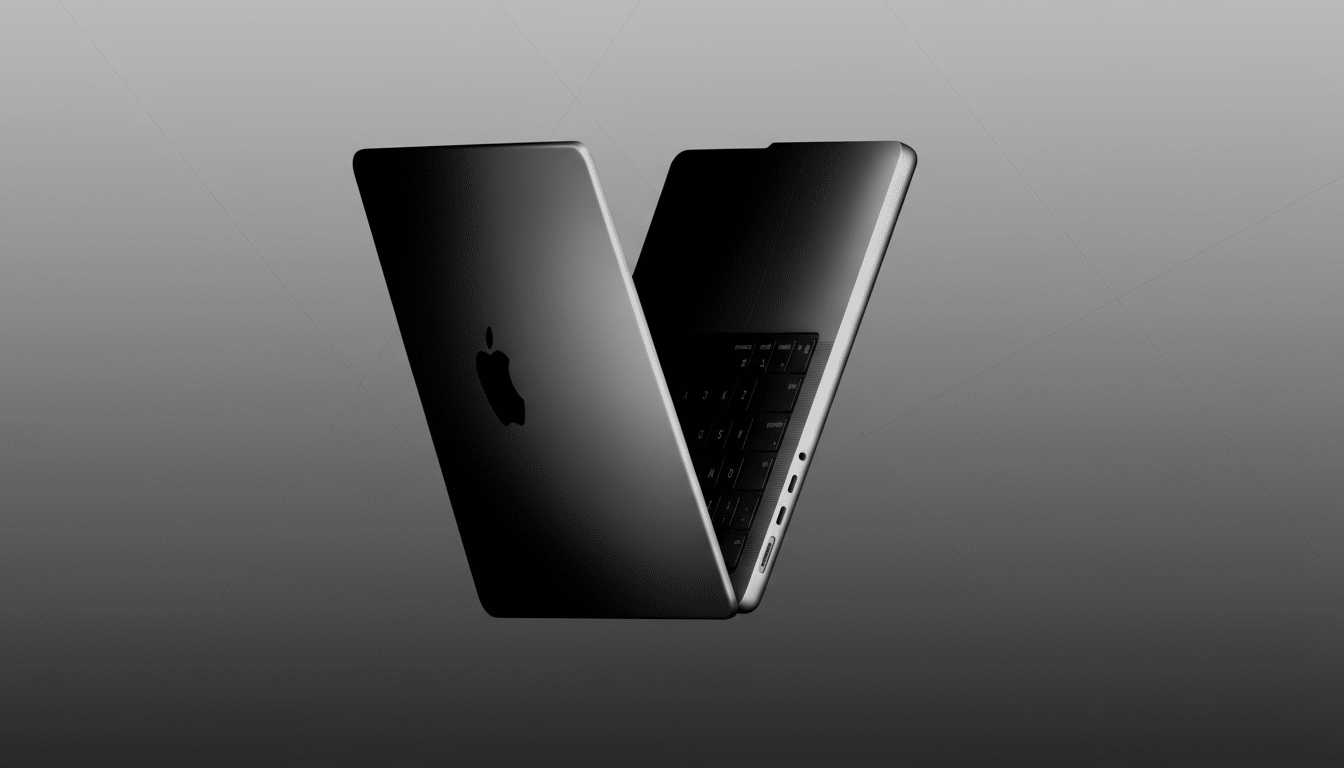
Apple claims a 50% lift in graphics performance generation-over-generation, a substantial gain for GPU-bound tasks such as multi-stream 8K timelines, complex color grading, and real-time motion graphics. AI acceleration also gets a push, with the Neural Engine integrated more tightly into the memory fabric to cut down on copies and handoffs during on‑device inference and model fine-tuning.
For developers, that translates to faster compiles on large codebases while keeping the machine responsive; for 3D artists, smoother viewport interactivity under heavy geometry and texture loads; and for video editors, reduced render and export times in Metal-optimized apps. The M5 Max further leans into bandwidth-intensive work with up to 614GB/s of memory bandwidth, helping feed the GPU at high utilization.
Faster storage and expanded memory headroom for pros
The baseline configurations are more practical for professionals out of the box. The M5 Pro model now starts with 1TB of local storage, while the M5 Max steps up to a standard 2TB. Apple cites SSD read and write speeds up to 14.5GB/s, which meaningfully reduce reliance on external scratch drives when scrubbing through high-bitrate 8K ProRes or multi-cam RAW footage.
Memory ceilings have climbed where it matters. M5 Pro supports up to 64GB of unified memory—up from 48GB in the previous Pro tier—making it more viable for large After Effects projects or running multiple containerized services locally. M5 Max remains capped at 128GB, a level that caters to heavy compositing, massive Lightroom catalogs, and complex on-device ML workflows that benefit from keeping datasets in RAM.
Connectivity steps up to Wi‑Fi 7 and Thunderbolt 5
A new N1 wireless chip brings Wi‑Fi 7 and Bluetooth 6 support, positioning the MacBook Pro for the next wave of high-throughput, low-latency networking. Wi‑Fi 7’s multi-link operation, championed by the Wi‑Fi Alliance, can combine channels across bands to improve stability for real-time collaboration, cloud scratch work, and live review sessions.
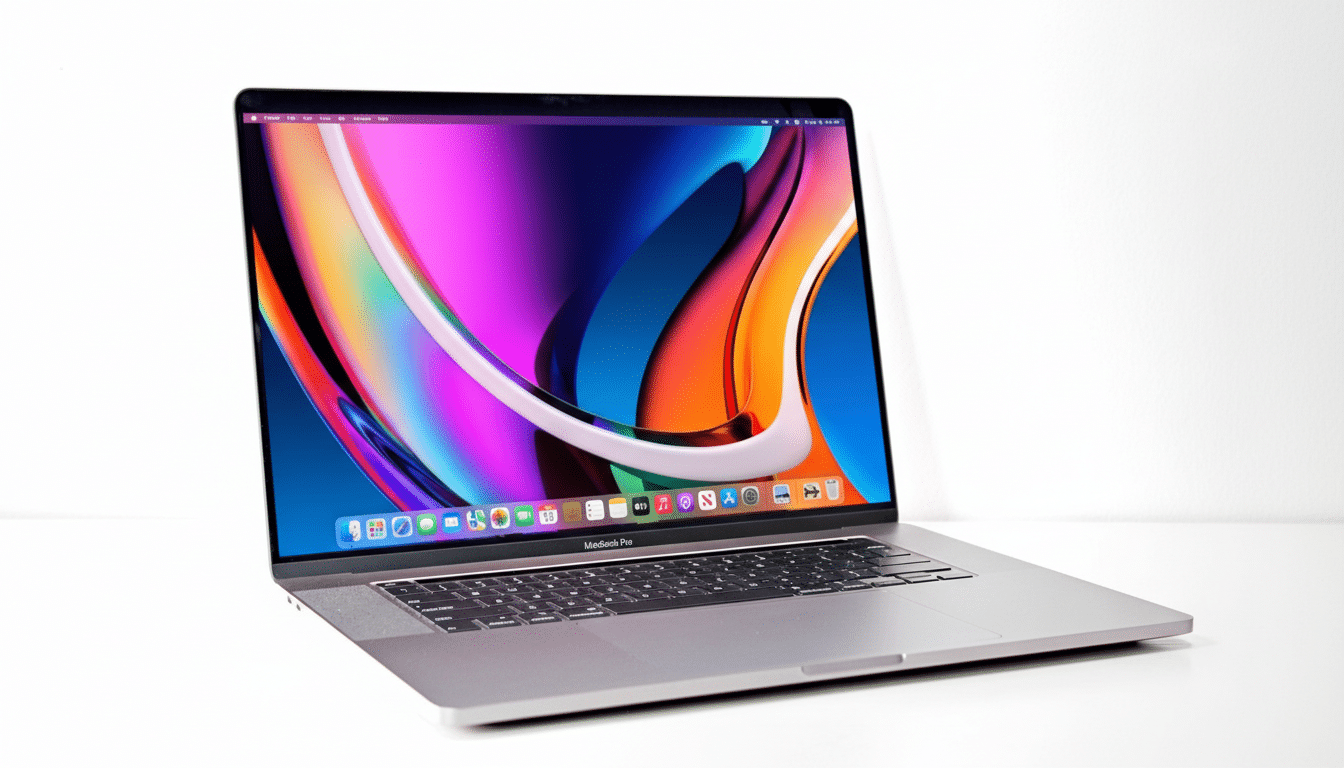
On the wired side, Thunderbolt 5 ports expand headroom for external storage arrays and high-resolution display setups. Intel’s Thunderbolt 5 specification enables 80Gbps bidirectional bandwidth with up to 120Gbps for display-intensive workloads, meaning fewer compromises when driving multiple high-refresh 6K or 8K panels while simultaneously moving large assets to fast RAID enclosures.
Battery gains and smarter power management for longevity
Despite the performance bump, Apple says battery life stretches up to 24 hours under light-to-moderate use, a testament to the efficiency cores and tighter scheduling between the CPU, GPU, and Neural Engine. Fast charging remains in play, hitting 50% in 30 minutes with a 96W USB‑C power adapter—useful for quick turnarounds between shoots or sessions.
Pricing reality and practical upgrade advice for buyers
The $200 increase is not subtle, but the calculus shifts when you factor in the higher default storage and the time saved by faster SSDs and a stronger GPU. For editors regularly wrangling 4K and 8K media, 3D artists rendering on tight deadlines, and developers juggling VMs and container stacks, the M5 Pro and M5 Max configurations look like efficiency upgrades that can pay for themselves in throughput.
If you already own a recent MacBook Pro with robust headroom, the jump is less urgent unless Wi‑Fi 7, Thunderbolt 5 workflows, or the 50% GPU uplift directly address your bottlenecks. For those on older Apple silicon—or Intel-era machines—the leap is substantial across the board, especially in GPU-heavy and AI-assisted creative tasks.
Bottom line: a focused release for creators and developers
The new MacBook Pro doubles down on professional throughput rather than chasing headline-grabbing redesigns. With faster storage by default, broader memory options, next-gen I/O, and meaningful GPU gains, it’s a focused release aimed at creators and developers who measure value in minutes saved and frames rendered. The higher sticker price stings—but for the right workloads, the time dividend could be larger.
