


If you’re hovering over the buy button for a Galaxy S26, take a breath. Industry watchers and deal trackers say there’s little upside to pre-ordering this cycle, and a lot of reasons to wait. Between softer incentives, fast-arriving discounts, and the usual first-month quirks, the smarter play is patience.
Why Current Galaxy S26 Preorder Incentives Fall Short
Samsung’s preorder bundles used to feel generous: sizable store credits, free accessories, and automatic storage upgrades across many regions. In recent generations, those perks have thinned. Reservation credits have shrunk in several markets, instant store credits have trended lower than the highs seen a few years ago, and the most valuable extra—double storage—hasn’t been consistently offered everywhere.
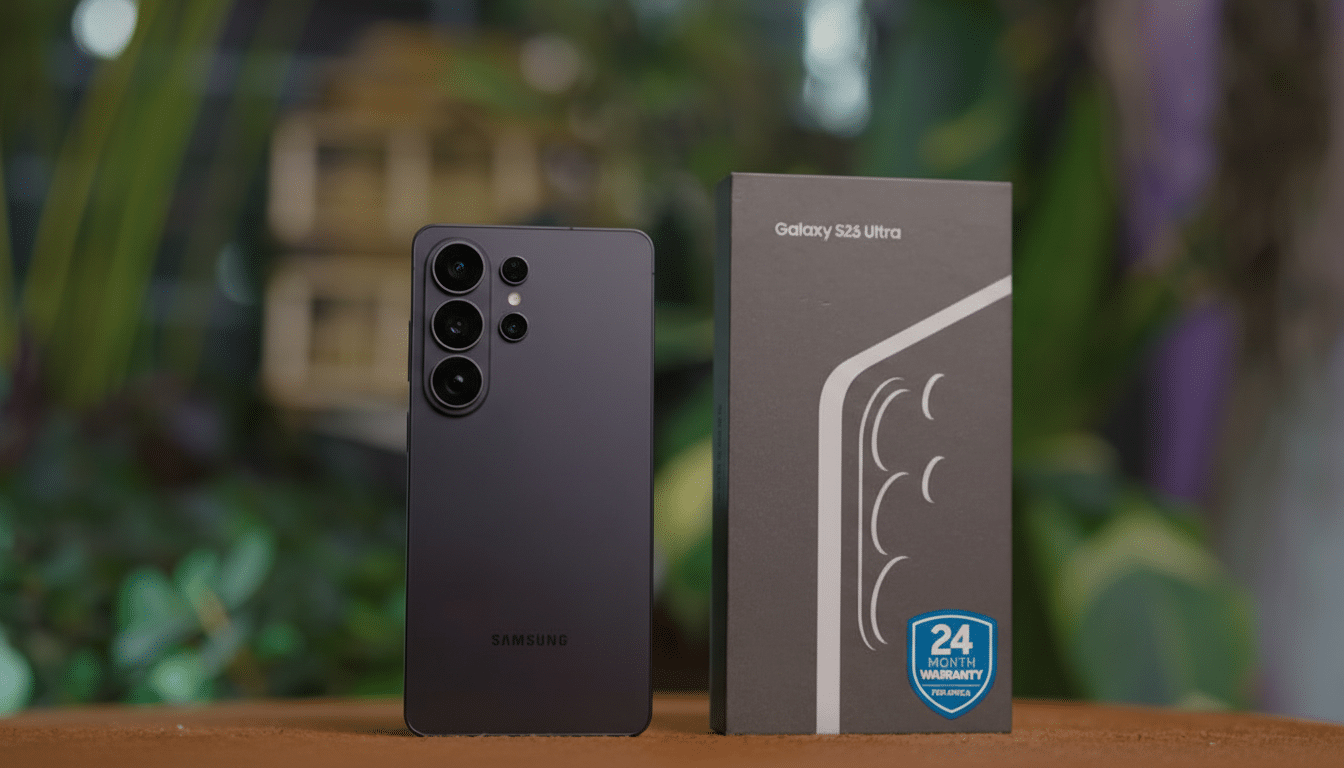
What remains is typically a boosted trade-in. That sounds attractive, but it’s often just a convenience premium rather than true extra value. If your “perk” requires handing over a good phone at a price you could easily match—or beat—on the open market, you’re not getting a windfall. It’s packaging, not savings.
Early Discounts Often Beat Costly Day-One Deals
Flagship Android phones tend to get cheaper quickly. SellCell’s depreciation studies show many Android flagships lose 30% or more of their value within the first three months. Counterpoint Research has also highlighted how aggressive promotions in the premium segment have intensified shortly after launch windows, especially through carriers and major retailers.
We’ve seen it with prior Galaxy S models: within weeks, bundle rebates, carrier bill credits, and retailer gift cards can outclass preorder bonuses. Waiting a single promotion cycle often nets a lower effective price, no trade-in strings, and the same hardware everyone else rushed to secure.
Why Trade-In Math Rarely Favors You Financially
Put a real number on your device before you accept a bundled trade-in. Marketplaces and buyback services typically deliver 10–25% more than brand direct-trade values for recent phones, according to pricing analyses from SellCell and Swappa’s historical averages. That gap can swallow most of the preorder credit you’re being offered.
Also remember that many carrier deals base taxes and fees on full MSRP, then apply monthly credits that can vanish if you change plans or pay off early. A seemingly “free” upgrade can become expensive if you decide to exit the contract or your usage needs change.
Why You Should Wait for Reviews and Post-Launch Fixes
First-wave buyers are unpaid beta testers. Early software builds frequently need patches to tune camera processing, modem stability, and battery management. Last cycle’s Galaxy S models received post-launch updates that improved display color tuning and performance—useful fixes, but proof that patience pays.
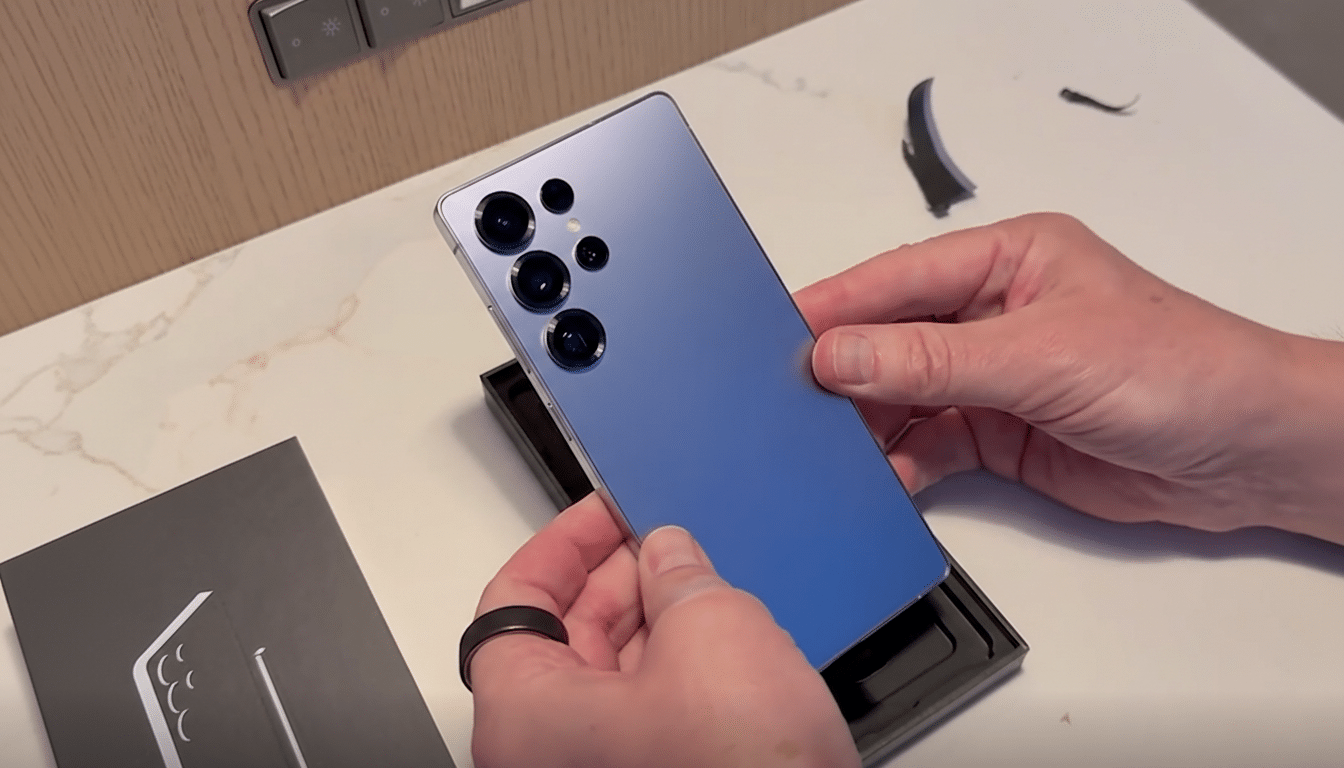
Independent testing from outlets that measure display accuracy, sustained performance, and thermals can reveal whether the year-over-year changes are meaningful or merely iterative. Organizations like Consumer Reports, as well as lab-based reviewers and repair analysts, routinely uncover durability and longevity insights that marketing materials never mention.
Why Price and Real-World Value Remain Unsettled Now
Preorders lock you into the highest-uncertainty moment: before street pricing and retailer competition do their work. Even modest shifts—like a storage configuration change—can make headline prices look better or worse than they are. Until real-world deals settle, it’s hard to know if you’re paying a premium for what could be an incremental upgrade.
IDC and Counterpoint have both noted that premium phone buyers are increasingly value-sensitive, pushing brands to lean on promotions after launch to drive volume. In practice, that means the best offers rarely land on day one.
A Smarter Upgrade Plan for Saving on Galaxy S26
If you must upgrade soon, skip the preorder queue and watch the first retailer and carrier promotions. Favor outlets with no-questions-asked return windows and price protection. Pay attention to effective prices after bill credits, not just flashy monthly rates. And sell your old phone independently to maximize its value.
If your current device still holds up, the optimal window is typically the first major promo wave after launch—often when review verdicts are in, firmware has matured, and competitors counter with rival deals. That’s when you can decide with data, not FOMO.
Bottom line: Preordering the Galaxy S26 gives you bragging rights, not better economics. Wait for verified reviews, real discounts, and clear value. Your wallet—and likely your long-term satisfaction—will thank you.
