


I stepped into a glowing pod that looked like a spaceship’s tanning bed and left with my whole body humming. The Ammortal Chamber, a $160,000 wellness machine now courting luxury spas, pro teams, and biohackers, blends red and near‑infrared light with pulsed electromagnetic fields, vibroacoustic sound, breathwork, and even hydrogen inhalation into a single 15‑ to 25‑minute session. The pitch is simple: stack proven modalities, orchestrate them precisely, and you’ll feel restored head to toe.
Inside the futuristic chamber: design, setup, and feel
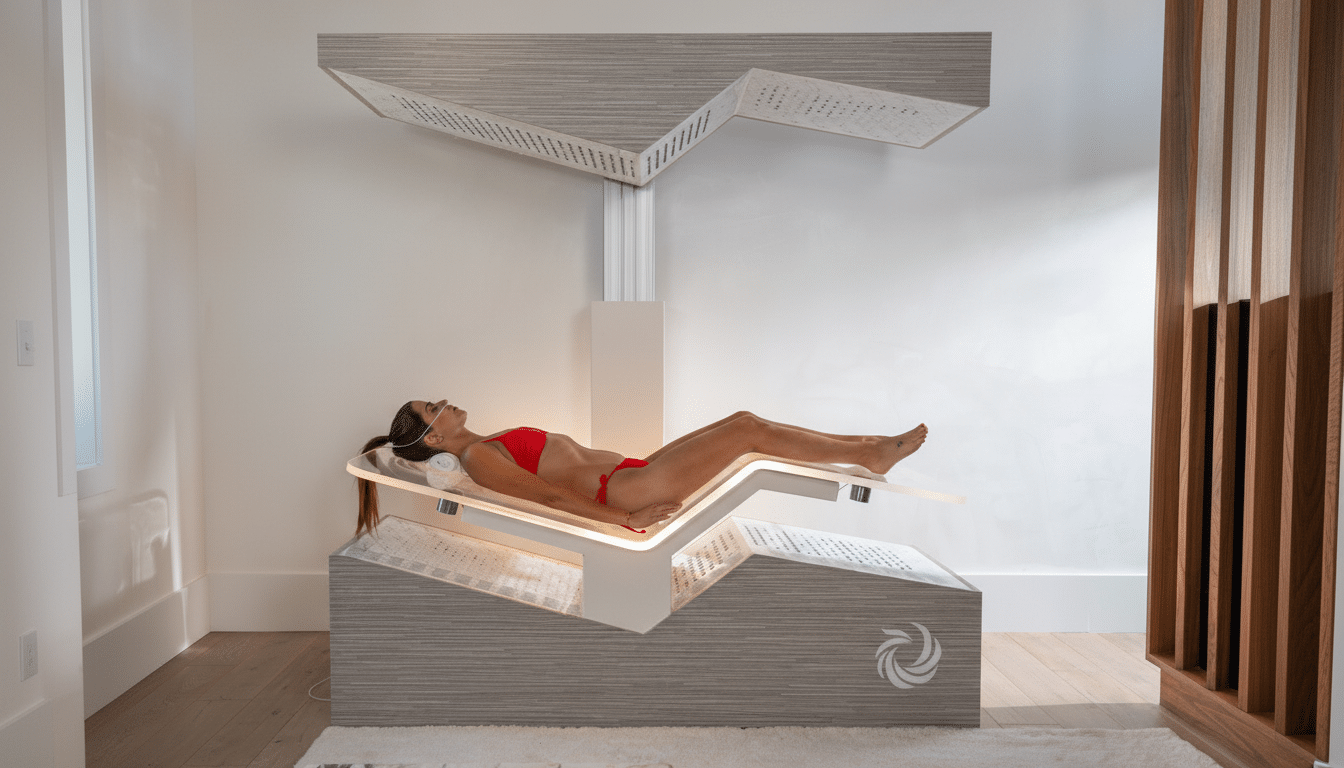
The unit is a sculptural clamshell with a zero‑gravity glass bed lined by coils and dense LED arrays. After donning eye protection and a nasal cannula for hydrogen delivery, I selected an “Energize” program on a touchscreen. The lid descended, the chamber flushed red, and an enveloping soundscape synced with low‑frequency vibrations that rippled through the bed.
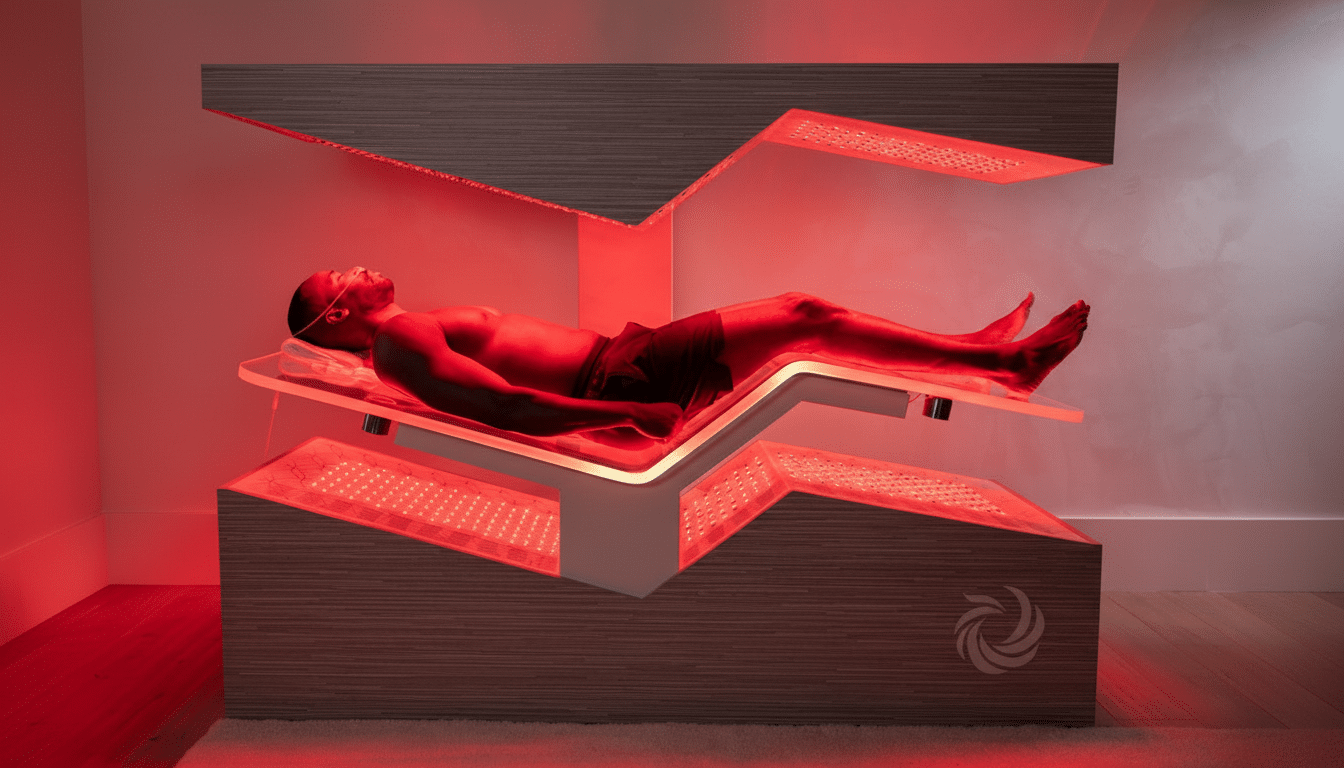
According to company materials, the LEDs target classic photobiomodulation bands around 660 nm (red) and 850 nm (near‑infrared) at roughly 100 mW/cm², settings common in clinical LED systems aimed at deeper tissue penetration. The PEMF component runs at low frequencies designed to induce subtle electric fields, while transducers in the bed deliver full‑body vibroacoustic therapy. A recorded coach guides breathing at the start and end to downshift the nervous system.
The sensation is immersive and, at moments, startling. Even through goggles, the light is intense. The vibroacoustic layer makes music feel physical, as if your ribs are an instrument. I noticed a mild, pins‑and‑needles tingle suggestive of PEMF. When the session ended, that buzz lingered—pleasant, not jittery—like the afterglow of a cold plunge minus the chill.
What the science actually says about stacked modalities
Red and near‑infrared light therapy, often called photobiomodulation, has a growing evidence base. Dermatologists routinely cite LEDs’ role in improving acne, reducing inflammation, and softening fine lines when used consistently. NASA‑funded studies in the 1990s helped kickstart research into wound healing, and subsequent reviews have reported benefits for certain musculoskeletal pain conditions when dosed appropriately.
PEMF devices have a mixed but intriguing record. The Food and Drug Administration has cleared specific PEMF systems for indications like bone growth stimulation and postoperative pain and edema—narrow uses with defined protocols. That does not automatically translate to generalized wellness claims, but it shows the mechanism can have physiological effects under the right parameters.
Vibroacoustic therapy has small studies suggesting reductions in anxiety and perceived pain, particularly when paired with guided breathing. Hydrogen inhalation is earlier in its clinical journey; pilot trials in Asia have explored anti‑inflammatory and antioxidant effects, yet it remains investigational in most markets. The bottom line: components of the chamber have plausible mechanisms with varying levels of evidence, but stacking them in one session has not been validated in large, independent trials.
Safety matters, too. Eye protection is non‑negotiable with high‑intensity LEDs. People with implanted electronic devices should consult a physician before trying PEMF. Photosensitizing medications can amplify light sensitivity, and anyone with a complex medical history should get medical guidance before diving into multi‑modal protocols.
Who is buying and why the chamber costs so much
At $160,000, the Ammortal Chamber lives in the stratosphere of wellness hardware alongside hyperbaric pods and whole‑body cryotherapy systems. Luxury recovery centers can justify the sticker price if they run high session volumes; a $75 to $250 per‑session fee, common for stacked recovery services, can add up fast in high‑end markets.
The company says several NFL teams are using the chamber, which tracks with pro sports’ appetite for recovery tech—from LED panels and pneumatic compression to cold plunge and sleep analytics. Elite programs often assemble a “stack” of modalities; Ammortal’s bet is that a single, orchestrated platform is more compelling than a room full of separate machines.
Zooming out, the Global Wellness Institute values the global wellness economy at $5.6 trillion in 2022 and projects it to top $8.5 trillion by 2027, with wellness tourism and fitness technology among the fastest growers. In that context, ultra‑premium, multisensory tools are less a niche than the sharp end of a very large spear.
The takeaway from a first session inside the chamber
One session won’t validate health claims, and the science on stacked modalities is still catching up. But as an engineered experience, the chamber is remarkable: bright, bassy, and meticulously choreographed. I emerged alert yet calm, with a lingering buzz that felt closer to “reset” than “amped.”
Is that synergy, suggestion, or both? Probably both. Even skeptics can appreciate that consistent, well‑dosed light exposure and deliberate breathwork have track records, and the chamber wraps them in a highly repeatable protocol. Whether that’s worth five figures to own—or three to four figures a year to access—depends on your budget, your goals, and your tolerance for cutting‑edge recovery theater.
What’s clear is that the wellness arms race is moving from single‑purpose gadgets to orchestrated, multimodal experiences. If this is the template, expect more machines that don’t just shine light or vibrate—they conduct your entire nervous system like a symphony, and send you back into the world, quietly buzzing.

