


Across the United States, residents are tearing down and defacing Flock Safety surveillance cameras, a rapidly escalating backlash against license plate readers that critics say supercharge government tracking and immigration enforcement. Recent reports document smashed housings, severed poles, and spray-painted lenses in multiple states as anger over the technology spills into the streets.
The flashpoint is Flock’s vast network of automated license plate readers, deployed by police departments, business districts, and homeowners associations to capture where vehicles travel, when, and with whom. The Atlanta-based company, valued at $7.5 billion a year ago, has grown by pitching crime-fighting results. But privacy advocates and some local leaders argue the same tools enable mass surveillance and can be repurposed by federal authorities, including immigration agencies.
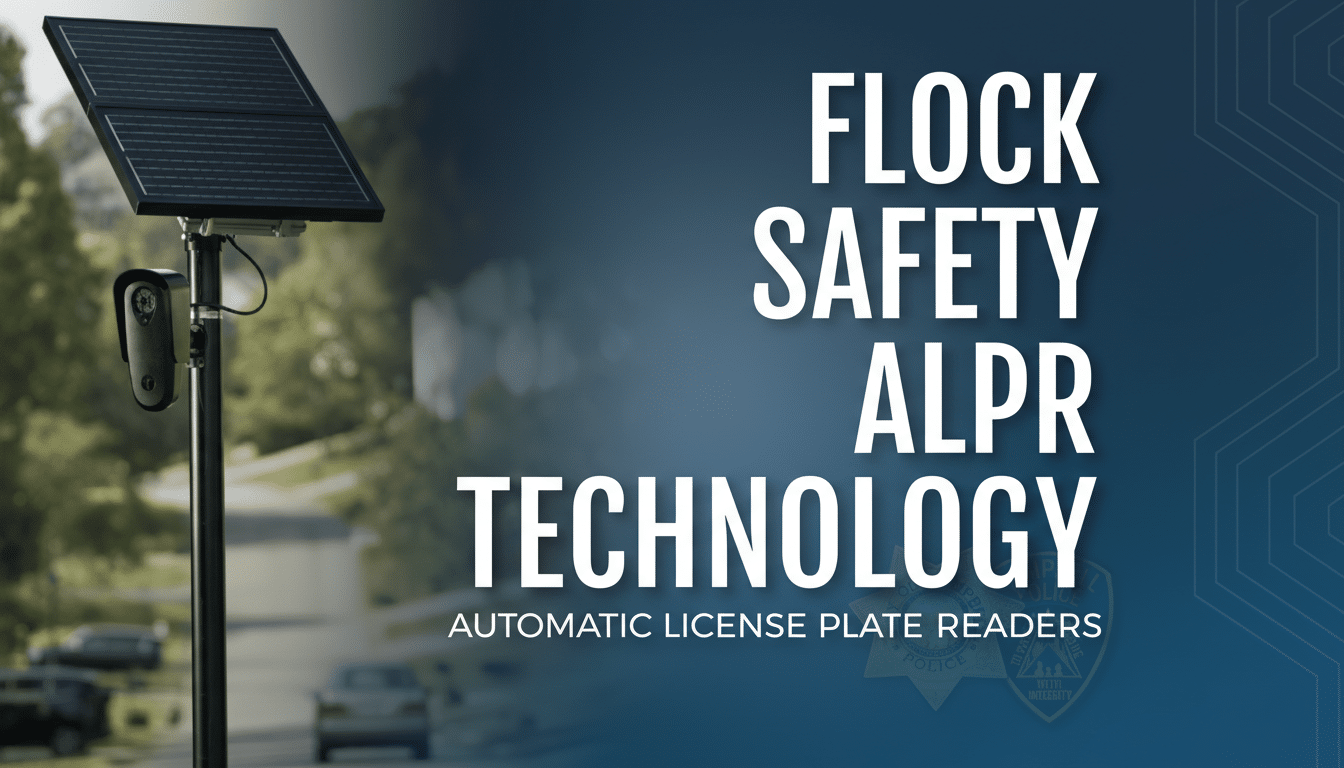
Why Flock Cameras Are Being Targeted by Vandals
Automated license plate readers (ALPRs) log millions of plate scans, time-stamps, and GPS coordinates, building a searchable record of movement. Flock’s system also captures vehicle characteristics such as color and type, expanding its utility beyond simple plate hits. Civil liberties groups including the Electronic Frontier Foundation and the ACLU warn the data can reveal intimate patterns—visits to clinics, places of worship, protests, or friends—often without warrants or meaningful limits.
Flock says it does not share data directly with U.S. Immigration and Customs Enforcement. Yet investigations and public records have shown that local agencies with Flock access can and have shared their logins or data with federal partners. That gray zone—where a local deployment can quietly feed a national dragnet—is fueling much of the current backlash.
Incidents Stretch From Coast to Coast as Backlash Grows
Reports compiled by independent journalist Brian Merchant describe broken and toppled Flock cameras in La Mesa, California, shortly after the city council voted to keep the system despite strong public opposition at a packed meeting. Residents there voiced sweeping privacy concerns and questioned whether the technology delivers on promised public safety gains.
Vandalism has also been recorded in Connecticut, Illinois, and Virginia. In Oregon, six roadside cameras mounted on poles were cut down, with at least one device doused in paint; a handwritten note left at the scene declared, “Hahaha get wrecked ya surveilling fucks,” according to Merchant’s account. Law enforcement agencies have opened investigations, but the pattern points to a broader, concerted rejection rather than isolated troublemaking.
A Network Measured in Tens of Thousands of Cameras
DeFlock, a crowdsourced project that maps license plate readers, estimates there are close to 80,000 cameras operating nationwide, with Flock devices making up a large share. That footprint reflects years of rapid adoption by municipalities and private partners, creating a mesh of roadside sensors that privacy experts liken to a “time machine” for vehicle location.
Public records and audits have repeatedly flagged oversight gaps. The California State Auditor has criticized ALPR programs for weak policies, long retention, and widespread data sharing. Researchers at the Georgetown Law Center on Privacy & Technology and the Brennan Center for Justice have warned that agencies routinely stockpile scans unrelated to crimes, turning neighborhood gateways into permanent logs of daily life.
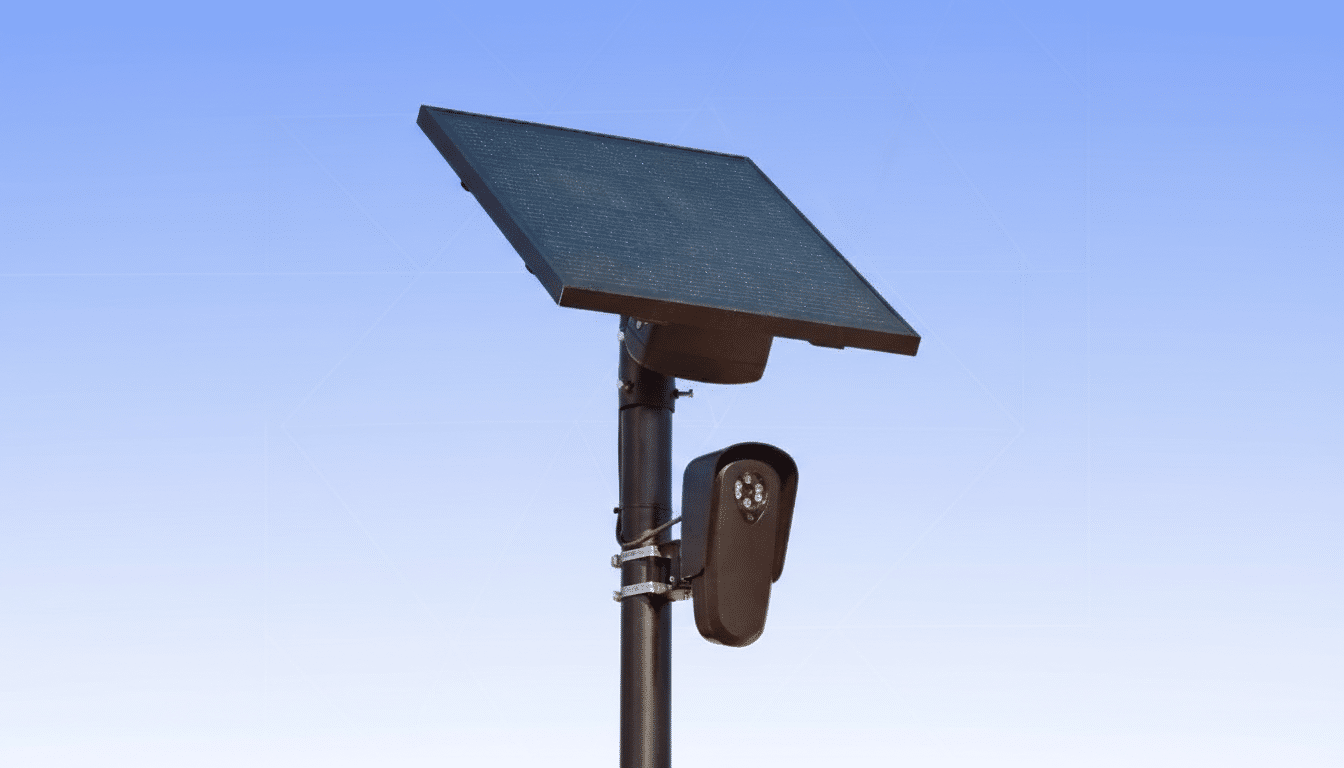
ICE Access Sits At The Center Of The Storm
Immigration enforcement is a key catalyst. While Flock emphasizes local control and default 30-day retention, the company also advertises interoperability across jurisdictions. That convenience can open a backdoor: local police who use Flock can grant federal partners access to search queries or live alerts, even if a city never intended to support immigration raids.
Civil liberties groups cite records showing federal agencies routinely tap local ALPR networks. In response, some police departments have moved to prohibit federal access to their Flock portals, and city councils in multiple jurisdictions have rejected or rescinded Flock contracts outright. The push-pull underscores a patchwork of policies that often lag behind the technology itself.
City Halls and Communities Reassess ALPR Programs
Dozens of cities have voted down new Flock deployments in recent months, and several communities have pressed for independent audits, public reporting, and opt-outs from cross-agency data sharing. Even where contracts remain in place, officials are debating shorter retention windows, stricter purpose limits, and bans on use for immigration enforcement.
Flock maintains that its technology aids investigations into violent crime, stolen vehicles, and AMBER Alerts, and says customers can tailor data policies to local values. But critics argue that benefit claims are too often anecdotal, while the risks—chilling effects on speech, disproportionate impacts on immigrants, and potential misuse—are structural.
What Comes Next for Flock and Automated Plate Readers
The surge in vandalism signals a rare, physical repudiation of a digital surveillance boom that unfolded largely out of public view. Expect a familiar cat-and-mouse: hardening of hardware, new tamper alarms, higher mounts—and continued community campaigns to curtail data flows and sunset deployments. Legislatures and courts may ultimately be forced to draw clearer lines around who can access ALPR data, for what purposes, and for how long.
For now, the message from many neighborhoods is unequivocal. Whether through public hearings or, increasingly, damaged poles and blacked-out lenses, Americans are making it clear they want a meaningful say in how—and whether—Flock’s cameras watch their streets.

