


Amazon Web Services is strengthening its next transatlantic subsea cable, giving it armor that could limit breakages that have disrupted global connectivity more frequently. The Fastnet system, which will connect Maryland with Ireland, is expected to be operational by 2028 and will include extra-heavy armoring and deeper burial for lengths of the cable that are particularly at risk of damage from anchors, fishing gear or sabotage.
What Amazon Is Building With Its Fastnet Cable
Fastnet is an advanced fiber-optic system and a high-capacity route between North America and Europe, supporting capacity beyond 320 terabits per second. Amazon translates that throughput to approximately 12.5 million simultaneous HD streams, providing more bandwidth for cloud and data-heavy workloads.
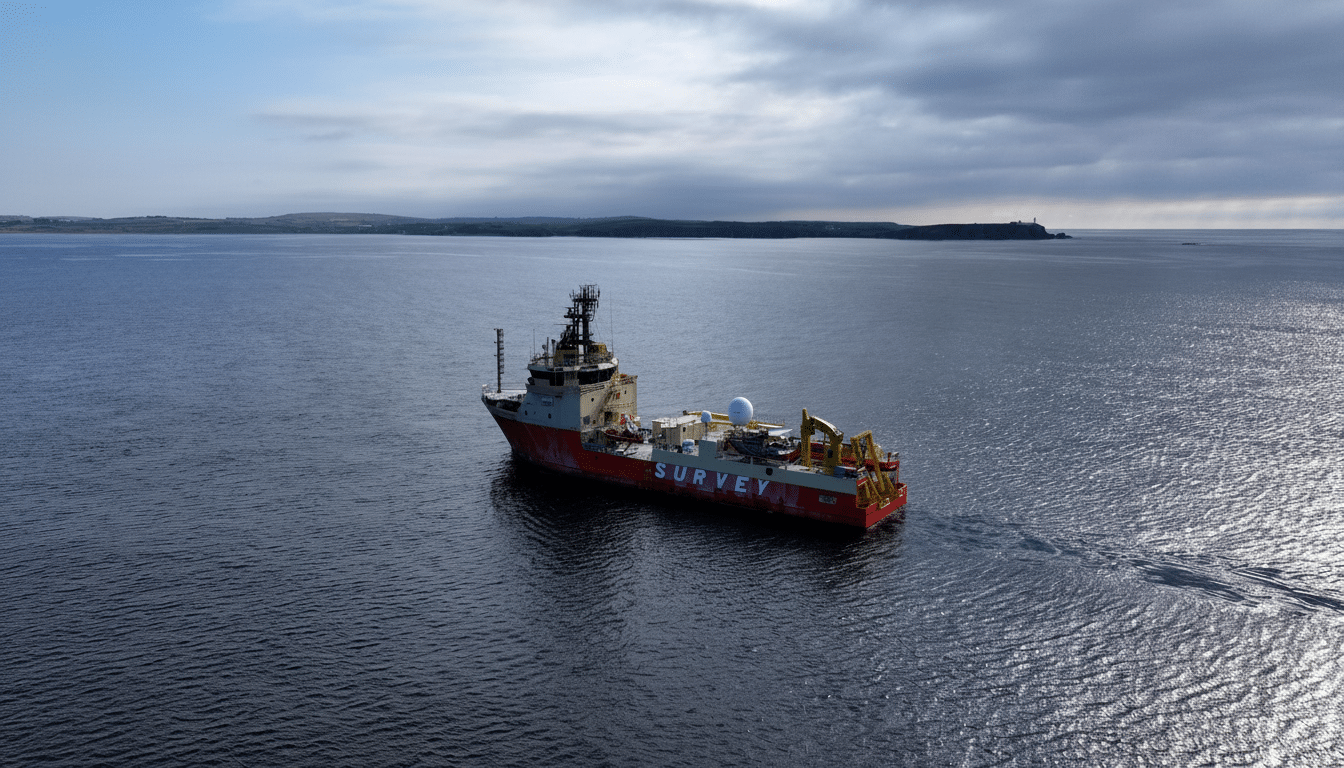
The cable will reach land in Maryland — the first landing ever in the state of a new transatlantic subsea cable — and Ireland, a critical gateway for European cloud regions. Amazon has tapped a range of partners to help build, lay and commission the system — including the lead supplier, SubCom.
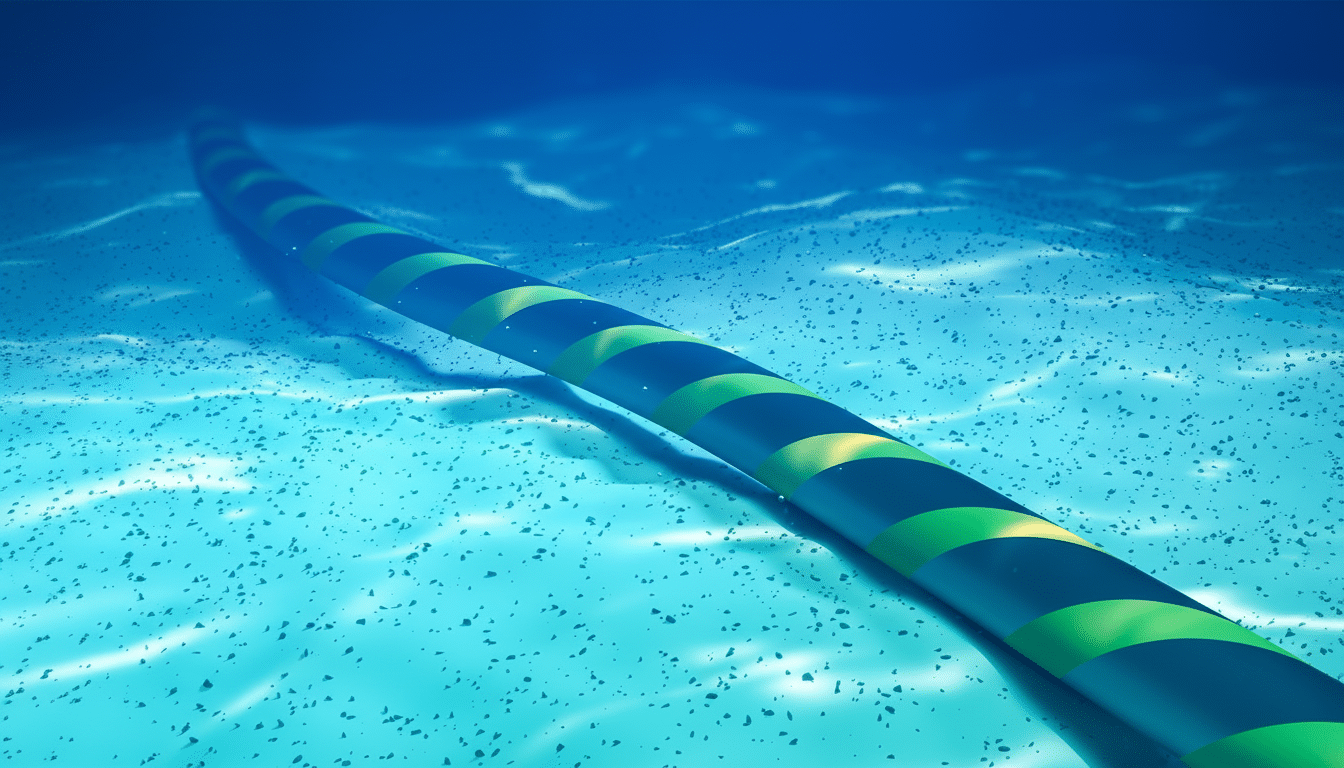
Defensive additions heavily influence the design. Close to shore, where human activity is higher, the cable will employ more steel-wire armoring and be buried as deeply as possible, usually up to 5 feet, depending on the firmness of the seabed. In deeper areas, where the risks fall away, the cable then shifts to a light protection system that provides durability while keeping weight in check.
Amazon says traffic flowing through Fastnet will be protected by several layers of encryption, part of an effort to bring end-to-end security directly into the network itself, in line with industry trends.
Why Armoring And Burial Are So Important
Subsea systems carry 95 percent to 99 percent of international communications and most faults happen in areas of shallow water, traversed by ships and fishing fleets. Fishing and anchoring are responsible for nearly two-thirds of the world’s cable faults, according to the International Cable Protection Committee — more than earthquakes or system failures.
Recent incidents highlight the stakes. Several cables in the Red Sea were severed in an international attack that received widespread attention, and the 2022 volcanic eruption in Tonga broke the country’s single subsea link, cutting off the island for weeks. Improved armoring, increased burial depths and the use of route planning in less-risky corridors have become accepted risk mitigation tools for hyperscale operators.
Route Diversity and Cloud Failover for AWS Services
For AWS, Fastnet is as much a matter of resilience as it is about raw capacity. By diversifying away from the New York–New Jersey corridor — long one of the most congested stretches of airspace in the world — Amazon adds a new transatlantic path that it can fall back on to replace its existing routes. The presence of this additional diversity is expected to reduce the probability that a single failure or landing site disturbance results in widespread performance degradation.
The company notes that Fastnet will primarily back up Amazon CloudFront and AWS Global Accelerator — services that rely, in turn, on high-bandwidth, low-latency connections to distribute content and route traffic. A recent service disruption at AWS highlighted how those single points of failure can resonate up and down the stack speedily, but that incident was unconnected with subsea transport or other infrastructure.
Ireland’s role is pivotal. The country is home to dense groupings of data centers and cable landings, enabling operators to quickly hook up with European networks. A Maryland-Ireland path that does not hop intra-Europe/transatlantic (i.e., MONET) is expected to reduce hops and latency and enhance backup for AI training data flows, media distribution and data replication.
Engineering the Seabed Build for Fastnet Cable
Building a transoceanic system is a multi-year project that involves design, permits, manufacturing, ship time and shore landings. As they head for landfall, crews usually rely on horizontal directional drilling to drill a conduit under beaches and surf zones, before moving to sea plows and remotely operated vehicles that jet the cable and bury it into the continental shelf.
Armoring differs by segment: double armor and deep burial near shore to resist trawlers and anchors; single armor on the shelf; and lightweight defense in the abyssal plains. In the event of a fault, purpose-built repair ships must find, cut, lift up to the surface, splice and then re-bury the cable — a process that can take from days to weeks depending upon weather conditions and the availability of suitable vessels.
Amazon said it is working with local communities and stakeholders in Maryland and Ireland — fishing groups, environmental bodies — to refine the route so that ecological and commercial disruptions are minimized. That consultation is frequently dispositive for approvals to permit and to land on both sides of the Atlantic.
A Crowded, Critical Subsea Infrastructure Sector
TeleGeography monitors around 600 active and planned subsea cables globally, and that count is constantly increasing as demand for bandwidth surges. Today, hyperscalers are the largest purchasers of transoceanic capacity, and recent builds such as Google’s Dunant and Grace Hopper or Microsoft–Meta-backed MAREA have shifted North Atlantic routes.
Today, the costs of a state-of-the-art transatlantic system usually total hundreds of millions of dollars and are driven by the production of fiber, repeaters, branching units and a scarcity of cable-laying vessels available to lay subsea cables. The reward is resiliency: more paths, more alternate landings and better segmentation of traffic to keep the internet running when something goes wrong.
The Bottom Line on Amazon’s Fastnet Cable Plan
Amazon is also looking to the future with Fastnet, which brings deep burial and armoring that’s reinforced in places like New York City to a world where accidental cuts and targeted tampering are no longer edge cases. The Maryland–Ireland connection increases capacity, reduces the length of routes and fortifies the backbone linking AWS services — an infrastructure investment with strong ripple effects across relatively mundane apps, media and AI workloads moving below the Atlantic.
