


Amazon is changing how gifts from Wish Lists are fulfilled, removing the setting that let list owners block purchases from third-party marketplace sellers. Going forward, gift buyers will be able to purchase eligible list items from independent sellers by default, and Amazon will share the list owner’s shipping address with those sellers to complete delivery. That address can also surface to gift purchasers through shipment updates and tracking notifications.
The shift sounds procedural, but it alters a privacy expectation that many creators and shoppers have relied on for years. It effectively broadens who can see a recipient’s shipping details from Amazon itself and its carriers to a vast network of marketplace merchants—and, in some cases, to the gift buyer.

What Changed And Why It Matters For Privacy And Safety
Previously, list owners could restrict purchases to items sold directly by Amazon, a setting some used to minimize exposure of their addresses to third parties. With that control gone, any gift that a buyer sources from a third-party seller may involve address sharing with that seller for fulfillment. Amazon notes that address visibility during delivery can extend to the purchaser via tracking updates.
This is significant because third-party commerce is not a niche on Amazon—it is the engine. Independent sellers account for more than 60% of physical product sales on the platform, according to Amazon’s latest Small Business Empowerment Report. Removing the block means most Wish List orders will naturally flow through marketplace sellers, not Amazon Retail, increasing the number of entities handling recipients’ addresses.
Privacy Risks For Creators And Online Shoppers
Public Wish Lists are a staple for online creators—Twitch streamers, YouTubers, cosplayers, and adult creators—who accept gifts from fans. These communities have long balanced generosity with safety, and address exposure is the linchpin of doxxing risks. Even a city or neighborhood revealed by tracking can help bad actors triangulate someone’s location when combined with other public breadcrumbs.
Safety advocates point out that exposure doesn’t require overt misuse by a seller. A routine order status email or a detail on a tracking page can unintentionally relay sensitive location information to a buyer. The Electronic Frontier Foundation and other digital rights groups routinely urge platforms to apply data minimization—sharing the least data necessary for a transaction—to reduce this kind of spillover.
The creator economy is already reacting. Some influencers are urging peers to shift gifts to services designed for anonymity. On Throne’s homepage, the company states that “All the creator and fan information stays private and is not shared between parties,” positioning itself as a privacy-first alternative for wishlisting.
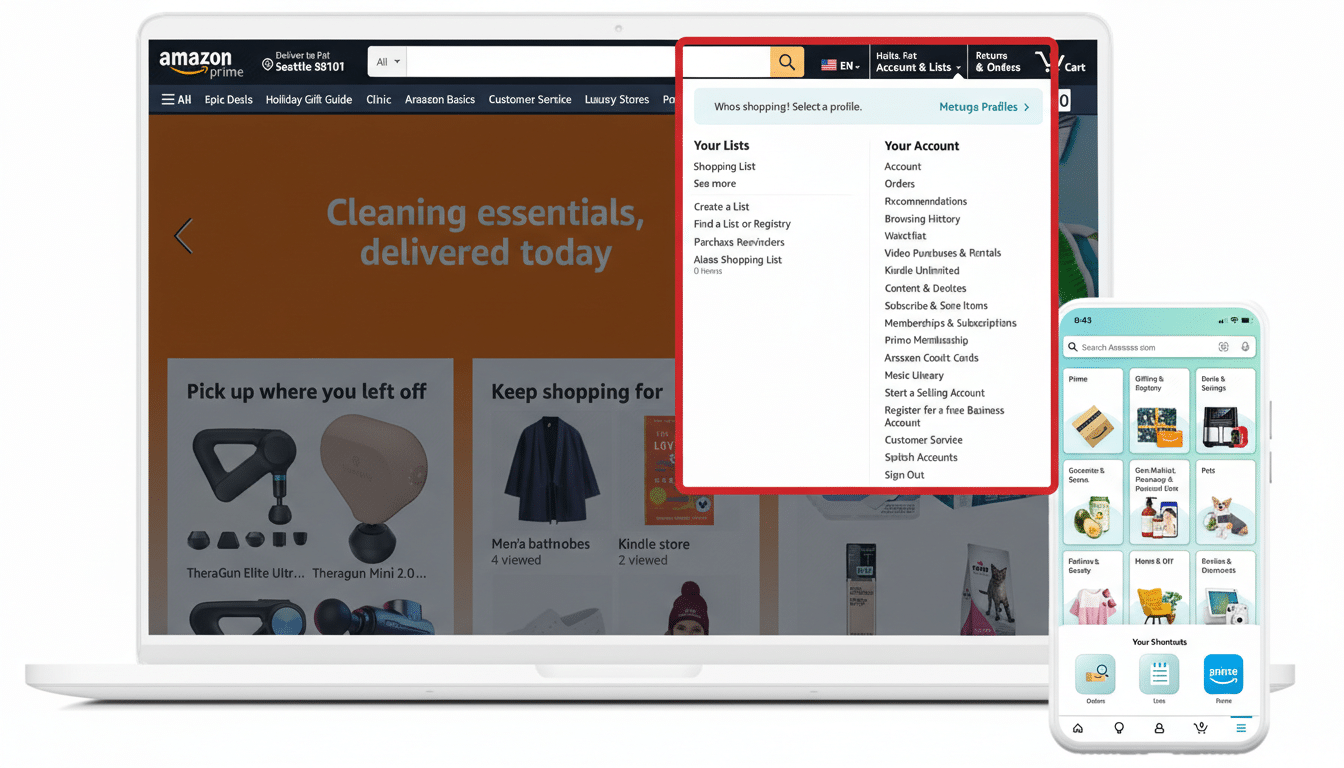
How To Protect Your Address On Wish Lists
Amazon itself recommends using a P.O. Box or a non-residential address for any list shared publicly. That guidance is sound risk reduction: it replaces a home address with a business location or postal proxy.
Practical steps list owners can take now:
- Review list privacy settings and switch from Public to Shared if you only want specific people to see the list. Shared allows access control without fully privatizing the list.
- Remove your shipping address from a list by editing the Shipping Address field and selecting None. Buyers can still purchase, but they will need to coordinate delivery details with you directly, eliminating automatic address exposure.
- Use a P.O. Box, workplace, studio, or mail-receiving service for fulfillment. Consider a dedicated address for fan mail and gifts to keep personal and public spheres separate.
- Audit item eligibility. Some oversized or restricted goods cannot ship to P.O. Boxes, so adjust the list to items that work with safer delivery options.
Industry Context And Competitive Pressure
Amazon’s marketplace scale makes this change consequential. With millions of independent sellers and marketplace orders outpacing first-party sales, defaulting Wish List purchases to include third parties likely reduces friction and canceled orders when Amazon itself is out of stock. For Amazon, that can mean higher conversion and wider selection for gift buyers.
But the privacy trade-off is real. Address access is considered sensitive personal information, and regulators worldwide are leaning into stricter data-handling expectations. While fulfillment requires a destination, platforms typically seek to limit who sees it and for how long. Expanding the circle of visibility—even for operational reasons—invites scrutiny from privacy advocates.
What To Watch Next As Privacy Concerns Evolve
Key signals to monitor include whether Amazon introduces additional masking for recipient details within tracking, tighter seller data-access limits, or new “ship via Amazon” preferences for lists. Creators will be watching for product-level flags that indicate whether an item can be fulfilled without exposing full address details.
In the meantime, the safest path for anyone sharing a Wish List publicly is to assume that buyers and sellers may see delivery details and to route gifts through a P.O. Box or non-residential address—or remove the address entirely. The convenience of one-click gifting remains, but privacy now demands a few extra steps.
