


Adult acne frustrates many people who expected clearer skin after their teenage years. Instead of fading away, breakouts often return with new patterns, triggers, and stubborn persistence. Hormonal shifts, stress, lifestyle habits, and even skincare choices all influence adult skin in complex ways. Many individuals feel confused because the solutions that worked before no longer deliver results. Skin behaves differently with age, and that change demands a more thoughtful approach. Understanding why acne continues into adulthood helps remove that confusion. With the right knowledge, clear and healthy skin becomes an achievable goal rather than a constant struggle.
1. Hormonal Fluctuations Never Truly Stop
Hormones play a central role in adult acne, especially for women. Monthly cycles, pregnancy, menopause, and conditions like PCOS all influence oil production. Androgens increase sebum levels, which clog pores and trigger breakouts. Even small hormonal shifts can disrupt skin balance and lead to persistent flare-ups. Many adults notice acne concentrated along the jawline and chin, which signals hormonal involvement. Unlike teenage acne, adult acne often follows a cyclical pattern. Managing hormones requires consistency, awareness, and sometimes medical guidance. Stable skin rarely comes from surface treatments alone when hormones continue to drive internal changes.
- 1. Hormonal Fluctuations Never Truly Stop
- 2. Stress Becomes a Daily Skin Trigger
- 3. Skincare Mistakes Continue Into Adulthood
- 4. Diet and Lifestyle Choices Matter More Than Expected
- 5. Adult Skin Heals More Slowly
- 6. Environmental Factors Contribute to Breakouts
- 7. Makeup and Hair Products Can Worsen Acne
- 8. Inconsistent Treatment Leads to Ongoing Issues
- 9. Underlying Medical Conditions May Play a Role
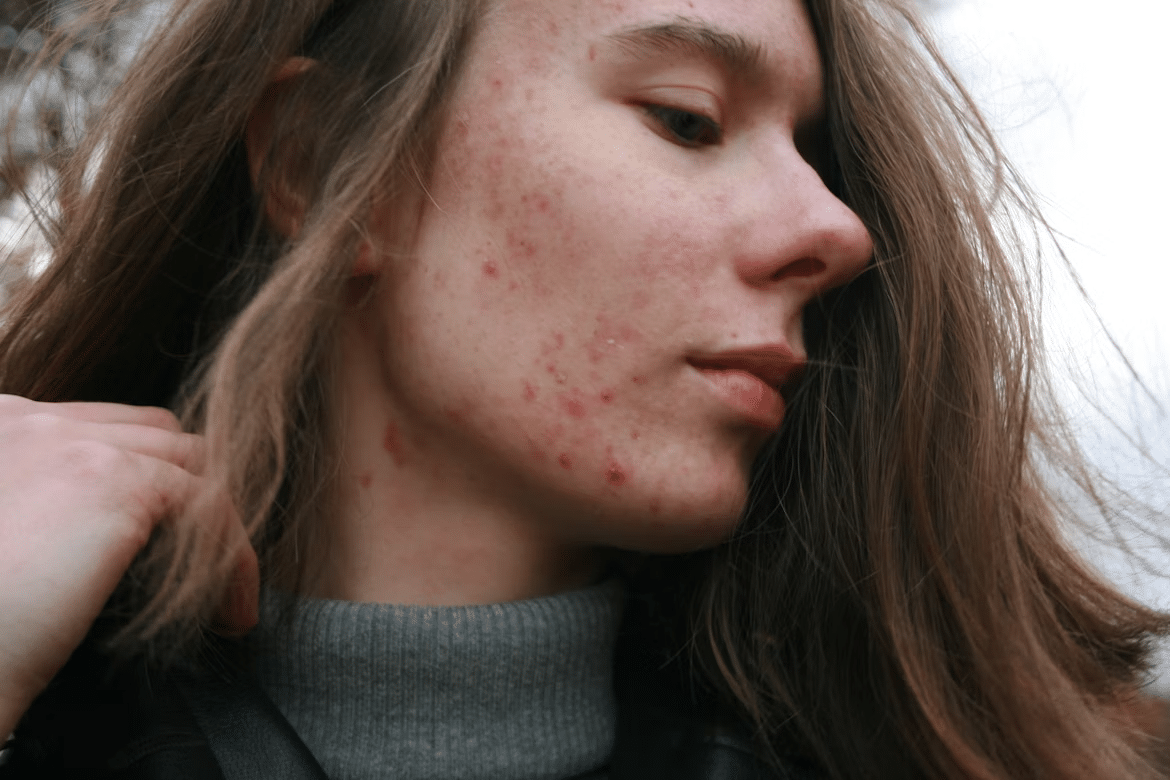
2. Stress Becomes a Daily Skin Trigger
Modern life creates constant pressure, and stress leaves visible marks on the skin. Cortisol levels rise during stressful periods, which increases oil production and inflammation. Breakouts appear faster and take longer to heal. Many adults juggle work, relationships, and responsibilities, which keeps stress levels elevated. That ongoing tension weakens the skin barrier and worsens acne over time. Leading dermatologists like Dr. Amy Wechsler often recommend combining skincare with lifestyle adjustments. A spotless acne treatment by Dr. Amy Wechsler recognizes the connection between emotional stress and skin health. Balanced routines support both mental well-being and clearer skin.
3. Skincare Mistakes Continue Into Adulthood
Many adults unknowingly repeat skincare mistakes that worsen acne. Over-cleansing strips natural oils, which triggers the skin to produce even more sebum. Heavy creams and pore-clogging makeup create blockages that lead to breakouts. Skipping sunscreen also contributes to inflammation and post-acne marks. Some individuals rely on harsh treatments that damage the skin barrier instead of repairing it. Effective skincare requires balance, not extremes. Gentle cleansing, targeted treatments, and proper hydration support long-term results. Understanding ingredients and avoiding unnecessary products reduces irritation. Smart routines help prevent acne instead of constantly reacting to it.
4. Diet and Lifestyle Choices Matter More Than Expected
Food choices influence skin health more than many realize. High-glycemic foods, processed sugar, and dairy can trigger inflammation and increase oil production. While not everyone reacts the same way, many adults notice clearer skin when they adjust their diet. Hydration also plays a key role in maintaining balance and supporting skin repair. Sleep deprivation adds another layer of disruption, as it interferes with hormone regulation and recovery processes. A consistent lifestyle supports healthy skin from within. Small, mindful changes often create noticeable improvements over time without relying solely on topical solutions.
5. Adult Skin Heals More Slowly
Skin changes with age, and healing takes longer than it did during teenage years. Collagen production slows down, which affects how quickly the skin recovers from breakouts. Inflammation lingers longer, and marks stay visible for extended periods. Adults often deal with both acne and signs of aging at the same time, which complicates treatment choices. Harsh acne products can worsen dryness and fine lines. Gentle, effective treatments support healing without damaging the skin. Patience becomes essential because quick fixes rarely deliver lasting results. Consistent care helps the skin recover and maintain balance.
6. Environmental Factors Contribute to Breakouts
Pollution, climate, and daily exposure to environmental stressors all affect the skin. Dirt and toxins settle on the skin’s surface and clog pores if not removed properly. Humidity increases oil production, while dry air weakens the skin barrier. Frequent exposure to screens and indoor environments also impacts skin health. These factors combine to create conditions that encourage breakouts. Protective skincare, including cleansing and antioxidant use, helps reduce damage. Paying attention to surroundings allows better control over external triggers. Clean environments and proper skincare work together to support clearer skin.
7. Makeup and Hair Products Can Worsen Acne
Many adults rely on cosmetics and hair products that unintentionally trigger breakouts. Heavy foundations, oils, and silicones can clog pores and trap bacteria. Hair products often transfer onto the skin, especially around the forehead and jawline. Even products labeled as non-comedogenic may not suit every skin type. Regularly cleaning brushes and tools helps prevent buildup that leads to acne. Choosing lightweight, breathable formulas reduces the risk of clogged pores. Awareness of product ingredients plays a major role in maintaining clear skin. Small adjustments in daily routines can significantly reduce breakouts.
8. Inconsistent Treatment Leads to Ongoing Issues
Many people switch products too quickly or abandon routines before seeing results. Acne treatments require time and consistency to work effectively. Frequent changes confuse the skin and prevent progress. Some treatments cause initial purging, which discourages continued use. Sticking to a well-planned routine allows the skin to adjust and improve gradually. Professional guidance helps identify the right products and avoid unnecessary trial and error. Long-term commitment produces better outcomes than short-term fixes. Consistency builds stability, which reduces breakouts and supports healthier skin over time.
9. Underlying Medical Conditions May Play a Role
Certain medical conditions contribute to persistent adult acne. Hormonal disorders, insulin resistance, and inflammation-related issues all affect skin health. Medications can also trigger breakouts as a side effect. Ignoring these underlying factors often leads to frustration because topical treatments alone cannot solve the problem. Medical evaluation provides clarity and allows targeted treatment. Addressing internal causes improves overall skin condition and prevents recurring acne. A comprehensive approach ensures that treatment focuses on the root issue rather than just surface symptoms. Proper diagnosis leads to more effective and lasting results.
Adult acne does not simply fade away with age, and that reality often surprises many people. Hormones, stress, lifestyle habits, and environmental factors all contribute to ongoing breakouts. Skin changes over time, which requires a shift in how care and treatment work. Quick fixes rarely solve the problem, but consistent and informed routines create lasting improvements. Recognizing the deeper causes of acne allows for more effective management and reduces frustration. Clear skin remains possible with the right approach. Patience, balance, and awareness form the foundation for healthier skin that stays resilient over time.

