


A delivery truck accident claim is a legal process that helps injured individuals seek compensation for damages caused by a commercial delivery vehicle. These claims can be more complex than regular car accident cases because they often involve large companies, multiple parties, and detailed insurance policies.
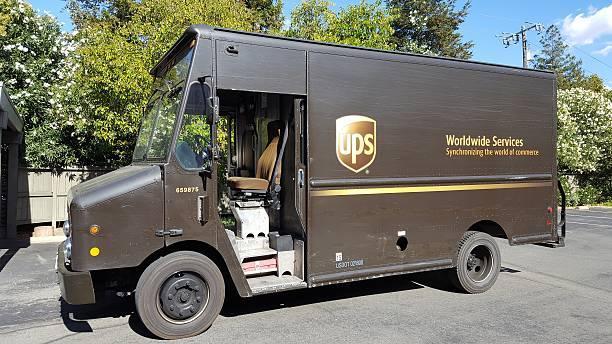
Accidents involving delivery vehicles, including FedEx and UPS truck accidents, are becoming more common due to the rise in online shopping and constant delivery traffic. Understanding how these claims work can help you take the right steps if you are involved in such an accident.
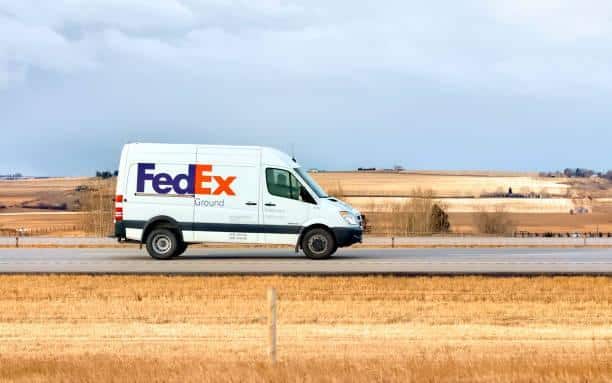
Delivery trucks are a regular part of daily life. They move through neighborhoods, highways, and busy city streets to meet growing demand. However, their size, weight, and frequent stops can increase the risk of accidents. When a crash happens, knowing how to handle the situation can make a big difference in protecting your rights.
How Delivery Truck Accidents Are Different
To begin with, delivery truck accidents are not the same as typical car accidents. These cases often involve more than just two drivers.
Because delivery vehicles are used for business purposes, additional factors come into play.
Some key differences include the following:
- The driver may be working for a company.
- The company may carry commercial insurance.
- The vehicle may be subject to safety regulations.
- There may be strict delivery schedules involved.
These factors can make the claims process more detailed and sometimes more challenging.
Identifying Who Is Responsible
Next, determining who is responsible is an important step. In delivery truck accidents, liability may not always be straightforward.
There can be multiple parties involved.
Possible responsible parties include:
- The delivery driver
- The delivery company
- A third-party contractor
- The company that loaded the cargo
- A manufacturer if a vehicle defect is involved
Identifying all responsible parties helps ensure that the claim covers all sources of compensation.
Steps to Take After the Accident
After understanding liability, it is important to know what steps to take immediately after an accident. Taking the right actions can help protect your claim.
Key steps include:
- Seeking medical attention right away
- Calling the police and filing an accident report
- Taking photos of the scene and damages
- Collecting contact information from witnesses
- Avoiding detailed discussions about fault at the scene
These actions help create a strong foundation for your case.
Gathering Important Evidence
As the process continues, evidence becomes essential. Strong evidence helps explain how the accident happened and who is responsible.
In delivery truck cases, evidence may be more detailed than in regular accidents.
Important evidence may include:
- Driver logs and work schedules
- Vehicle maintenance records
- GPS tracking data
- Dashcam footage if available
- Delivery records and timelines
This information can reveal whether the driver or company followed proper safety practices.
Understanding Insurance Coverage
Another important part of delivery truck accident claims is insurance coverage. Commercial vehicles often carry higher insurance limits than personal vehicles.
However, dealing with commercial insurance companies can be more complex.
Coverage may involve:
- The company’s commercial liability insurance
- The driver’s personal insurance in some cases
- Additional coverage depending on the situation
Understanding how these policies work helps ensure that claims are handled correctly.
Calculating Damages
After establishing liability and gathering evidence, the next step is calculating damages. Delivery truck accidents can lead to serious injuries, so it is important to consider all losses.
Compensation may include:
- Medical expenses and future treatment
- Lost wages and reduced earning ability
- Property damage
- Pain and emotional distress
- Rehabilitation and recovery costs
A complete evaluation helps ensure that the claim reflects the full impact of the accident.
Dealing With Large Delivery Companies
One of the biggest challenges in these cases is dealing with large delivery companies. These companies often have legal teams and insurance adjusters working to protect their interests.
Because of this, claims may become more complex.
Common challenges include:
- Disputes about liability
- Delays in claim processing
- Lower settlement offers
- Requests for detailed documentation
Being prepared for these challenges can help you respond effectively.
When Legal Guidance Can Help
Finally, delivery truck accident claims may require legal guidance, especially in complex situations. Having support can help ensure that your rights are protected.
Legal professionals may assist with:
- Investigating the accident
- Identifying all responsible parties
- Handling communication with insurance companies
- Negotiating fair compensation
- Preparing the case for court if needed
This guidance can make the process more manageable.
Key Takeaways
- Delivery truck accident claims are often more complex than regular car accident cases.
- Multiple parties may be responsible for the accident.
- Taking the right steps immediately after the crash is important.
- Strong evidence helps support the claim.
- Commercial insurance policies play a major role in compensation.
- Calculating full damages ensures fair recovery.
- Legal guidance can help navigate complex claims.

