


I started using a red light therapy wand on my neck specifically because that was the area I was most bothered by and the one I felt I had neglected the longest. My face had a routine. My neck had moisturiser applied in a downward stroke if I remembered. After reading enough about the evidence behind photobiomodulation and collagen stimulation, I decided to run a proper thirty-day test with a consistent protocol and see what actually changed.
Why the Neck
The neck is one of those areas that gets discussed in dermatology circles far more than in the average skincare conversation. Dermatologists often note that the neck tends to age faster than the face precisely because people care for it less consistently. The skin is thinner, it accumulates sun damage without regular SPF application, and the loss of collagen and elastin shows up as the crepey texture and laxity that are so hard to reverse once established.
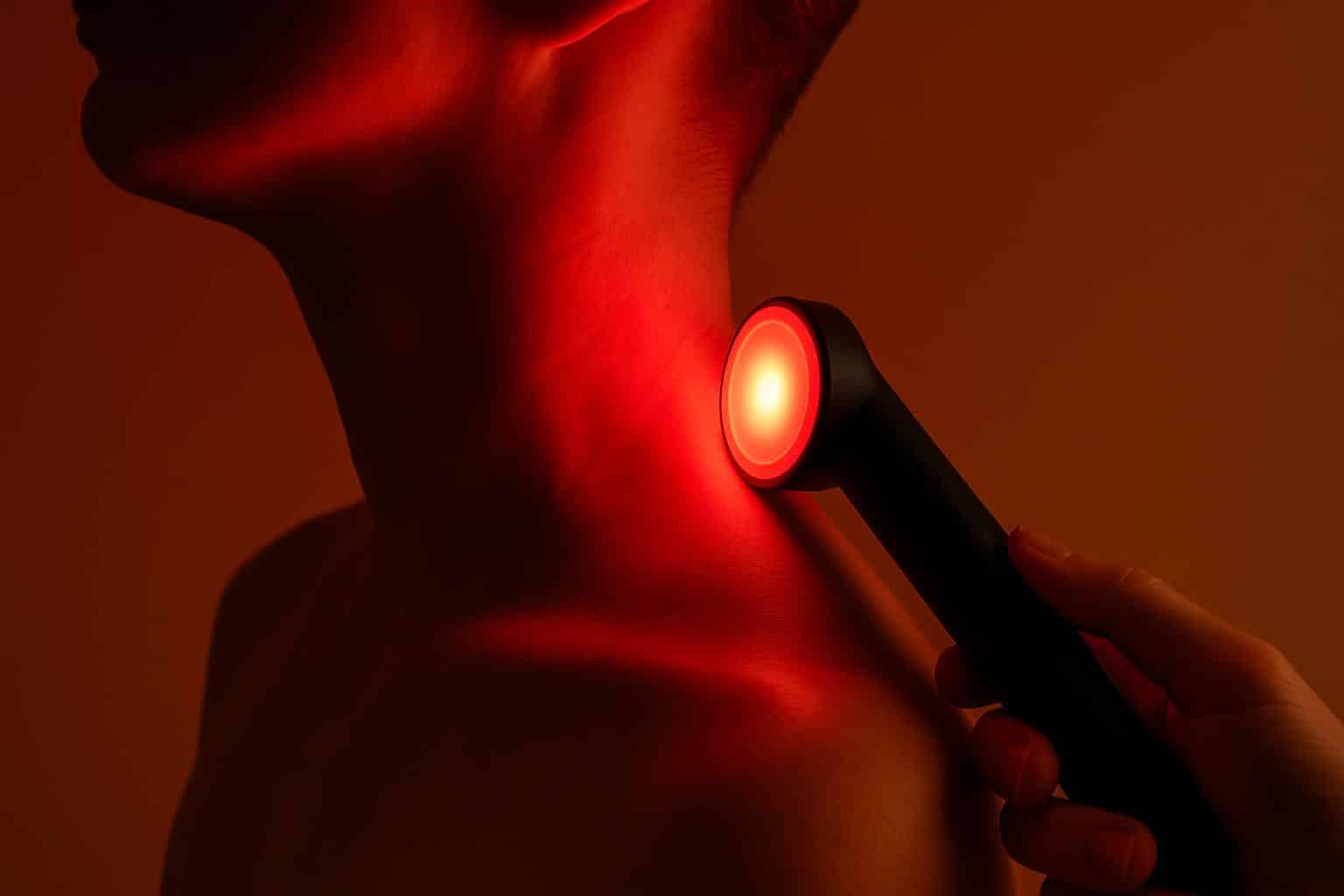
I was dealing with early laxity in the neck area, some texture changes on the sides of the neck, and what I would describe as a general dullness compared to my face. Not dramatic changes, but enough to notice and enough to want to address before they became more pronounced.
The Protocol I Followed
I used a red light therapy wand with both red (660nm) and near-infrared (850nm) wavelengths, FDA-cleared, four times per week. Each session was twelve to fifteen minutes covering the full neck: front, sides, and the jawline transition zone. I applied the wand to clean dry skin before any evening products.
After each session I applied a peptide serum and a niacinamide moisturiser. I kept everything else in my routine constant, including a retinoid two nights per week, to isolate the variable as much as possible. I took photos on day one, day fifteen, and day thirty under the same lighting conditions.
Week One to Two
No visible change in the first two weeks, which is exactly what the research would predict. The biological processes driving collagen production are occurring below the surface and take weeks to produce structural changes visible externally. I noticed the skin felt slightly more comfortable and less dry after sessions, which I attributed to improved circulation rather than any structural change.
The routine itself was easy to stick to. Each session took about fifteen minutes once I had established the pattern, and I fitted it into my evening routine without difficulty. The most common reason people abandon these devices is inconsistency, so building it into a fixed slot in the evening was the most important decision I made.
Week Three to Four
Around day eighteen I noticed the first change: the texture on the sides of my neck felt smoother to the touch. Not dramatically different, but noticeably so compared to day one. By the end of week four, I felt the skin had a slightly firmer quality along the front of the neck, though this was difficult to assess objectively without the photos.
Comparing my day fifteen photos to day one showed modest but visible improvement in skin evenness. The dullness I had described at the start had reduced. The texture looked more refined on the sides of the neck in particular.
Day Thirty Results
The day thirty photos showed the clearest difference. The skin along the jawline and upper neck had visibly improved firmness. The crepey quality on the sides of the neck was less pronounced. Overall skin tone was more even and the area looked more consistent with my face.
The results were consistent with what the clinical literature on red light wand applications documents: meaningful improvements in texture, tone, and early firmness within a four to eight week consistent protocol. Not a dramatic transformation, but a visible and sustained improvement that continued to develop beyond the thirty-day mark.
What I Would Do Differently
Start earlier. The evidence around red light therapy for skin health is strongest when treatment begins before significant structural changes have accumulated. The improvements I saw in thirty days on early-stage concerns would likely have been more pronounced if I had started five years ago.
I would also have incorporated SPF on the neck from the start rather than adding it partway through the month. UV protection is the most important complement to any collagen-building treatment, and the neck is an area most people forget to apply it consistently.
Final Assessment
A red light therapy wand used consistently on the neck and chest delivers visible improvements within thirty days for early to moderate concerns. The results are gradual rather than dramatic, require consistent use to maintain, and become more pronounced with continued treatment beyond the thirty-day mark. For anyone who, like me, has been neglecting this area while caring carefully for their face, the results justify the investment and the routine.
The clinical basis for these outcomes is covered in depth in the NIH PubMed red light therapy and collagen research database, which details the mechanism and documented outcomes across multiple peer-reviewed studies.

