


Emergencies are unpredictable. They happen to anyone, anywhere, anytime. When emergencies occur, the people present become first responders. Their knowledge determines outcomes. Someone who knows emergency response basics can save a life. Someone who does not know what to do can only watch helplessly. Learning emergency response basics today prepares you for situations you may never expect but could face.
What Emergency Response Basics Include
Emergency response is broader than just CPR. It encompasses knowledge and skills for various emergencies:
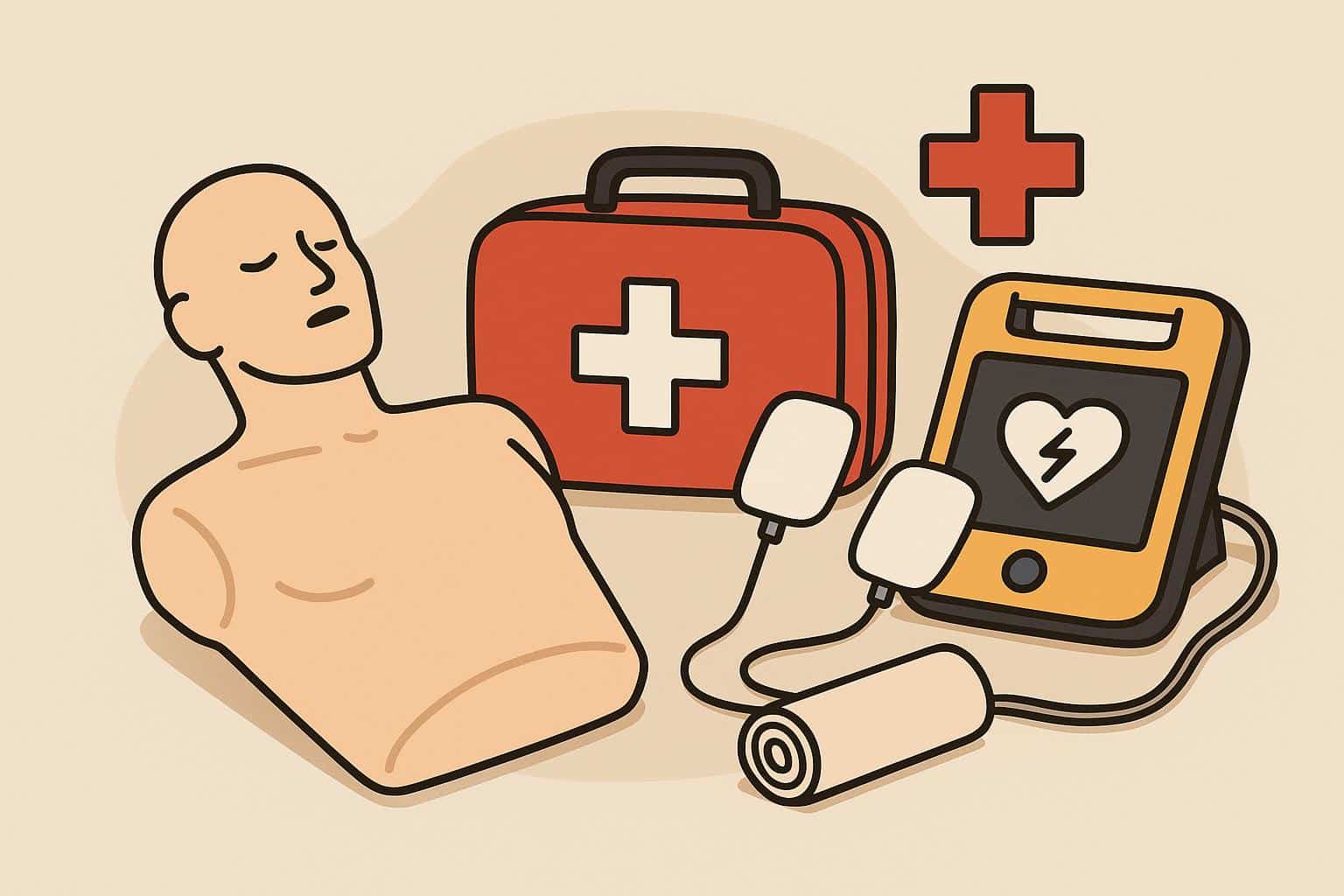
Cardiac Emergencies: Recognizing cardiac arrest. Performing CPR. Using an AED. Managing a patient until help arrives.
Respiratory Emergencies: Recognizing choking. Performing abdominal thrusts. Managing airway. Recognizing difficulty breathing and responding appropriately.
Severe Injuries: Controlling severe bleeding with direct pressure and tourniquets. Treating wounds. Managing fractures and sprains. Recognizing and treating shock.
Allergic Reactions: Recognizing allergic reaction signs. Using epinephrine. Managing breathing difficulty. Calling for help appropriately.
Poisoning and Overdose: Recognizing poisoning signs. Contacting poison control. Managing specific poisonings. Recognizing overdose and responding.
Stroke: Recognizing stroke signs using FAST test (Face drooping, Arm weakness, Speech difficulty, Time critical). Calling for help immediately. Understanding time-critical nature of stroke treatment.
Heart Attack: Recognizing heart attack signs. Providing aspirin if appropriate. Calling for help. Managing patient until help arrives.
Environmental Emergencies: Managing heat stroke. Managing hypothermia. Managing near-drowning.
Psychological Support: Calming distressed people. Providing emotional first aid. Recognizing psychological trauma.
Each of these requires specific knowledge and response.
Why Emergency Response Basics Matter
Understanding emergency basics matters for several reasons:
Immediate Action: When emergencies occur, immediate response improves outcomes. Every minute matters. Knowledge allows you to act immediately without delay.
Preventing Deterioration: Some situations worsen without intervention. Proper response prevents deterioration. Improper response might worsen situation. Knowing what to do prevents harm.
Buying Time: When professional help is minutes away, your response buys critical time. CPR buys time before defibrillation. Bleeding control buys time for surgery. Your actions bridge the gap until professional help arrives.
Confidence: Knowledge builds confidence. Confidence allows you to act despite stress. Confidence means you do not freeze. Confidence allows you to help.
Comfort: Knowing you can help provides comfort. You are not helpless. You have tools. You have knowledge. You can contribute.
Community Safety: Communities where more people know emergency basics are safer. More people respond effectively. More lives are saved. Community becomes safer.
These benefits make learning worth your time.
Where to Learn Emergency Basics
CPR and First Aid Courses: Combined courses cover CPR and first aid comprehensively. You learn cardiac emergency response plus response to various injuries and medical situations.
Specialized Courses: If you have specific interest, specialized courses exist. Wilderness first aid for outdoor activities. Sports first aid for athletic settings. Pediatric first aid for working with children.
Advanced Courses: Healthcare providers can pursue advanced training. ACLS covers advanced cardiac emergency management. PALS covers pediatric emergencies.
Courses are available for different knowledge levels and specializations.
What to Expect in Training
Emergency response training follows predictable format:
Video Instruction: Professional videos demonstrate proper technique. You watch and learn. You can rewatch as needed.
Reading Materials: Comprehensive reading materials provide detail and depth. Understanding the why behind procedures.
Interactive Learning: Scenarios and case studies show real applications. You apply knowledge to realistic situations.
Practice and Assessment: You take practice tests. You work through scenarios. You assess your understanding.
Certification Exam: You pass comprehensive exam demonstrating knowledge.
Ongoing Support: Even after certification, materials remain accessible for reference and review.
This comprehensive approach ensures real learning.
Building Your Action Plan
Learning emergency basics is step one. Building action plan is step two. Your action plan should include:
Identifying Nearest AED: Where is the nearest automated external defibrillator? Work? Home? Gym? Knowing location matters in emergency.
Knowing Emergency Numbers: What is the emergency number in your area? 911 is standard in US but not everywhere. Know the correct number.
Planning Your Response: If someone you know had cardiac arrest, what would you do? Plan mentally. Visualization helps preparation.
Keeping Skills Current: You cannot let skills fade. Plan to review materials periodically. Plan to recertify when certification expires.
Teaching Others: Consider teaching family and friends what you learn. More trained people in your circle means safer circle.
Your action plan ensures you are truly prepared.
Recognizing Your Limitations
Emergency response basics teach you what you can do. They also teach you when to seek professional help. Knowing limitations is important:
You are not a doctor. You provide emergency response, not medical diagnosis. You stabilize situations and call for professional help.
You provide first aid, not definitive treatment. Your goal is to prevent deterioration and preserve life until professionals arrive.
Some situations require professional help immediately. You recognize these and call for help promptly.
Understanding your role and limitations ensures you help appropriately.
Confidence to Act
Knowledge creates confidence. But confidence must be balanced with humility. You are confident in your training. You trust your knowledge. But you recognize you are not a professional emergency responder.
This balance is important. Too little confidence and you freeze. Too much confidence and you might attempt things beyond your capability. Proper training and understanding creates appropriate confidence and humility.
The Life You Save Might Be Someone You Love
Consider this reality. CPR knowledge could save someone close to you. Your spouse. Your child. Your parent. Your friend. If cardiac arrest occurs and you know CPR, you could save their life.
Is there anything more important than being prepared for this possibility?
Starting Today
You can start learning emergency response basics today. Visit online training platforms. Review available courses. Choose one that matches your needs. Begin learning. Complete certification. Be prepared.
The emergency you need to respond to has not occurred yet. But it might occur tomorrow. Next week. Next year. Being prepared when it happens could save a life.
Your Preparation Matters
Every person who learns emergency response basics increases community readiness. More trained people means better response to emergencies. Better response means more lives saved. Your individual learning contributes to community safety.
Learn emergency basics today. Earn your certification. Be ready to save a life. Your family needs you prepared. Your community needs you prepared. You deserve to be prepared.
The knowledge is available. The training is accessible. The time is now.
Take action today. Learn how to save a life.

