


Fashion changes quickly, but wardrobes rarely change at the same speed. Most people keep certain jackets, scarves, shoes or accessories long after the trend that first made them popular has disappeared.
That usually happens because lasting style depends on more than being fashionable at the right moment. Some pieces are useful enough to keep wearing, while others develop emotional value or become closely connected to a person’s identity.
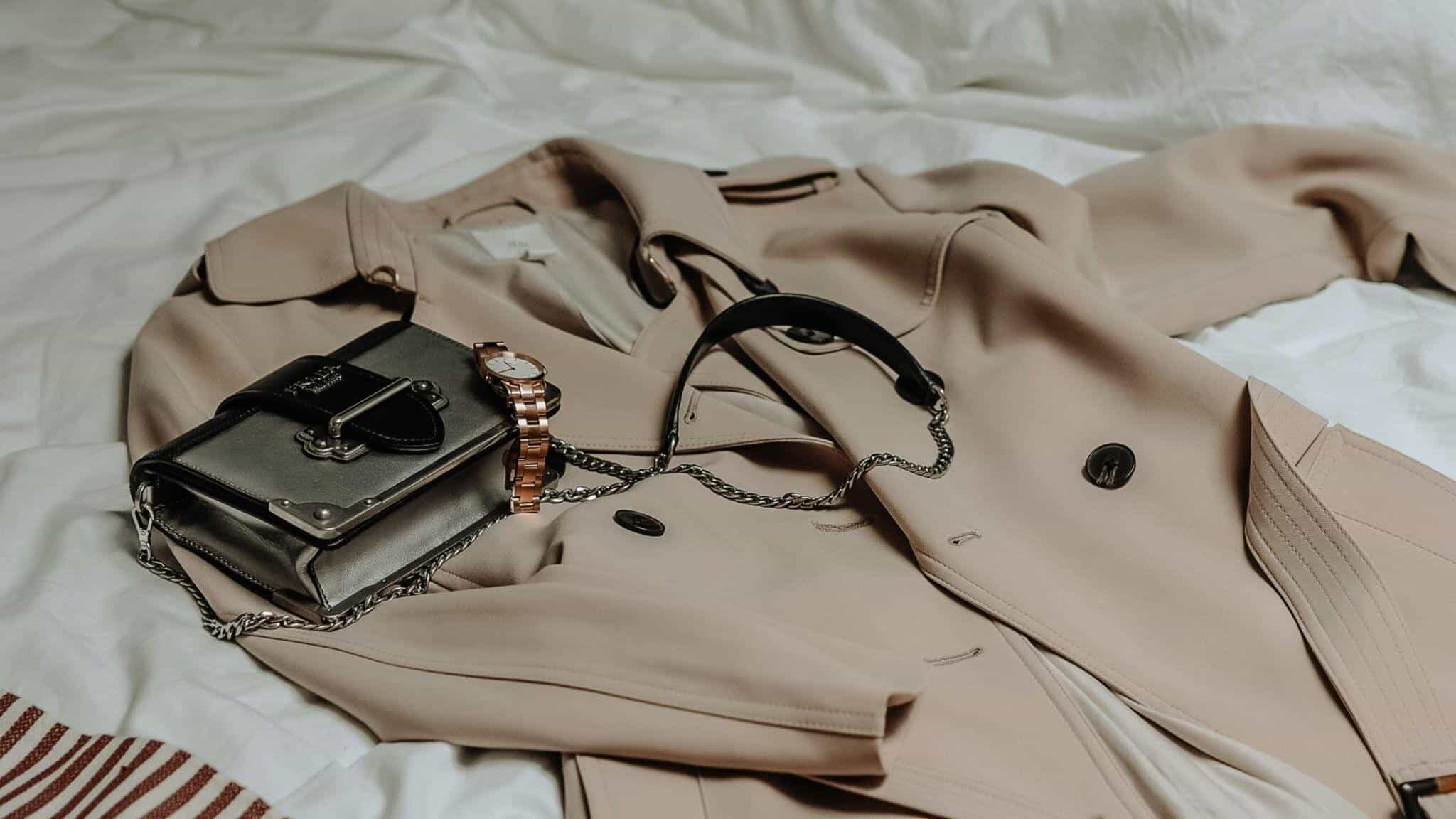
The strongest wardrobe items often combine several of these qualities. They are recognisable without being difficult to style, durable enough to survive repeated wear and flexible enough to work as tastes change around them.
That is why relevance in fashion does not always come from novelty. Sometimes the pieces that endure are simply the ones that continue to mean something.
Identity Can Matter More Than Trend
Some clothing and accessories stay relevant because they represent more than a particular fashion season.
A scarf connected to a football club, city or shared community, for example, can remain meaningful even when preferred colours and silhouettes change. Designs from https://www.diehardscarves.com/ can carry that kind of significance by combining a practical accessory with a visible connection to a team, place or group identity.
That gives the item a different kind of longevity.
A trend-led accessory can lose its appeal once fashion moves on. A piece associated with a team, place or personal memory has another reason to remain in the wardrobe.
Simple Shapes Are Easier to Reinterpret
Fashion pieces often survive because their basic shape leaves room for new styling.
A straight coat, simple knit or classic scarf can be combined differently as wider trends change. The garment does not need to transform; the pieces around it do the work.
That adaptability is important.
Highly specific silhouettes can become strongly associated with one period, while simpler shapes are easier to reinterpret. A jacket once worn with slim trousers may later work with a wider cut, and a scarf can move between casual and smarter outfits almost without changing itself.
Timelessness often comes from flexibility rather than total neutrality.
Quality Becomes More Important Over Time
A garment can only stay relevant if it physically lasts long enough.
Fabric, stitching, fastenings and construction become much more noticeable after repeated wear. A cheap item may look good initially but lose shape before there is any chance for it to become a long-term favourite.
This is why durability and style are connected.
Clothing that survives several seasons has more opportunities to find new roles as the wardrobe changes. It can also become more familiar and comfortable, which often increases how frequently it is worn.
Longevity therefore depends partly on design and partly on whether the garment can withstand real use.
Emotional Value Changes How We See Clothes
Photo by PRAHANT STUDIO on Unsplash
Some pieces remain important even when they are no longer especially fashionable.
A scarf worn to memorable games, a coat bought during an important trip or a jacket inherited from someone else can become difficult to judge purely as clothing.
The story changes its value.
People are often more willing to repair, restyle or preserve items with emotional significance because replacing them would not really replace what matters.
This is one reason wardrobes can become more personal with age.
New clothes may be added, but certain older pieces gradually become reference points connected to specific periods, people and experiences.
Versatility Protects a Piece From Obsolescence
Items that work in several situations generally have a better chance of surviving trend cycles.
A scarf can add colour to a plain coat, provide warmth or act as a small statement piece. A neutral jacket may work for both casual and smarter settings. A simple pair of shoes can move between different trousers without demanding an entirely new outfit.
This reduces the risk that the item becomes tied to one narrow look.
Versatility also makes fashion more practical.
People are more likely to keep something when they continue finding reasons to wear it. The garment earns its place through usefulness rather than being preserved only because it once felt fashionable.
Familiar Pieces Can Gain Character
New clothing often looks perfect, but perfection is not always what makes an item appealing.
Leather softens. Denim fades. Wool develops a more familiar feel. Small signs of wear can make certain pieces look more personal rather than simply older.
This process works best when materials age gracefully.
A well-used accessory can eventually feel more distinctive than a brand-new replacement because its appearance reflects how it has been worn.
That character is difficult to manufacture.
It develops through repetition, which helps explain why people sometimes prefer an older favourite even when a newer alternative is technically in better condition.
Lasting Style Usually Has More Than One Reason to Survive
Fashion pieces rarely remain relevant because they somehow avoid every trend.
Instead, they survive because they can continue working as trends change.
Useful proportions, durable materials and versatility all help, but emotional value and identity can be just as important. A piece that carries a story or represents something personal has a reason to remain even when it is no longer at the centre of fashion.
That is what separates lasting style from temporary popularity.
The strongest wardrobe pieces continue to adapt. They can be worn differently, acquire new meaning and become more personal with time.
Fashion will always move forward, but that does not mean everything worth wearing needs to move with it.

