Planning dinner gets complicated when a child rejects mixed dishes, another family member prefers vegetarian food, and an adult needs to manage blood sugar. Cooking several complete meals every evening can become expensive and tiring. Preparing a shared set of ingredients, with room to adjust portions and presentation, can make the job more manageable.
A useful family meal plan considers what each person needs and what the household can realistically prepare. Children need food that supports growth, while adults may have individual medical advice to follow. You can often use many of the same ingredients while serving them in ways that suit different people.
Start with the Needs You Must Accommodate
Before choosing recipes, write down the adjustments your household actually needs. Separate medical requirements, such as a diagnosed food allergy or a prescribed eating plan, from preferences about flavour, texture, or presentation.
This helps you identify what can be flexible. A preference for sauce on the side is usually easy to accommodate. A food allergy requires a reliable approach to ingredients and preparation that follows professional advice.
Ask everyone what currently makes meals difficult. Someone may struggle with large portions, another person may dislike foods touching, and a busy adult may need dinner ready before leaving for work. These details give you practical problems to solve. Keep the list focused so the meal plan remains usable.
Build Meals from Parts You Can Serve Separately
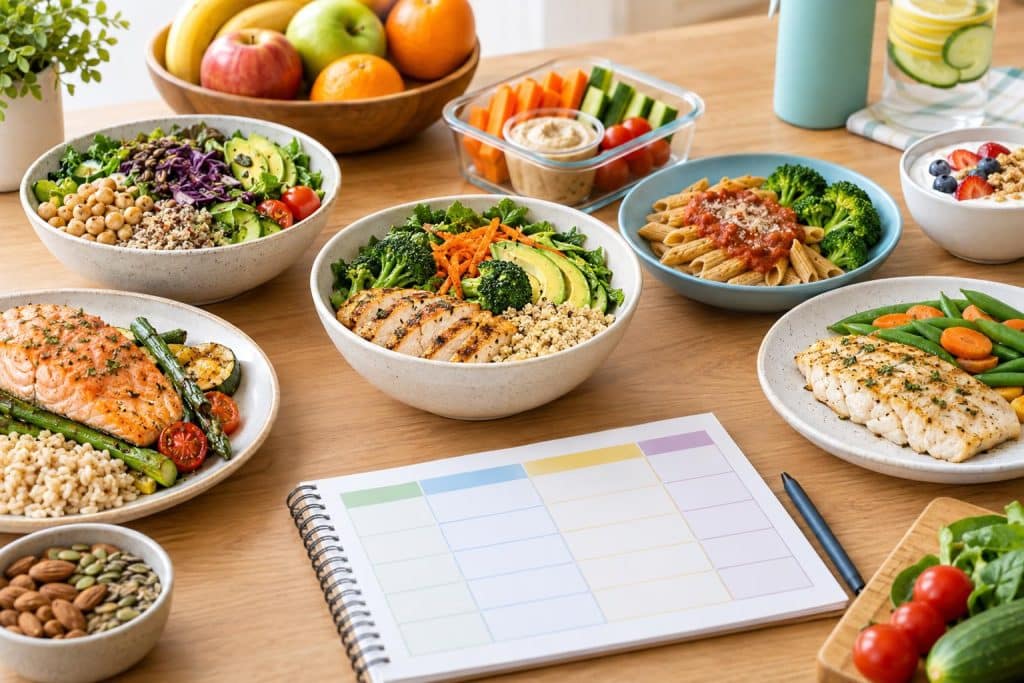
Choose dishes with components you can prepare together and assemble differently. A grain or other starchy food, a protein source, and vegetables can provide a starting point. Add sauces and other ingredients according to the meal and each person’s needs.
For example, you could plan:
- Rice bowls with chicken or tofu, cooked vegetables, and a sauce served separately.
- Baked potatoes with beans, cheese, vegetables, and other suitable toppings offered in individual bowls.
- Pasta meals with a choice of sauce, vegetables, and a protein source that fits the household.
Someone who dislikes mixed textures can have the components separated. A person following a specific meal plan can adjust their serving from the available ingredients. Check any medical requirements before assuming that a particular combination suits everyone.
You still prepare one main meal, with a few serving decisions at the table.
Respect the Difference Between Adult and Child Portions
Sharing ingredients does not mean everyone should receive the same amount of food. Children’s needs vary with their age, activity, growth, and health. Adult portions are not a reliable standard for judging how much a child should eat.
Likewise, an adult’s effort to reduce calorie intake should not automatically become a rule for the children in the household. If a child needs a specific nutrition plan, their healthcare professional should guide it.
Serve manageable amounts and allow children to respond to hunger and fullness within the foods offered. Keep comments about weight and adult dieting away from the dinner conversation. You can discuss food through its taste, texture, preparation, and role in helping the body grow and function.
Include Blood Sugar Needs in the Shopping List
When an adult has prediabetes, grocery planning can make it easier to follow the advice they have received. Vegetables, suitable protein sources, whole grains, beans, and other fibre-containing foods can fit into a varied eating pattern.
Learning about food choices for adults with prediabetes can provide ingredient ideas before you decide which meals to cook. Use those ideas alongside individual guidance, since suitable portions and food combinations depend on the person’s circumstances.
Carbohydrate foods still need attention, including nutritious choices such as fruit, milk, beans, and whole grains. An adult can use their recommended approach to portions or carbohydrate planning while the rest of the family receives appropriate servings.
For someone with diabetes, meal planning should also account for prescribed treatment. A registered dietitian or diabetes educator can help when it is unclear how a shared family meal fits the care plan.
Give Selective Eaters Time to Explore Variety
An unfamiliar ingredient can be easier to approach when the plate also includes something a child usually accepts. Offer a small amount, keep the interaction calm, and allow the child to decide whether to taste it. A refusal today does not need to end future opportunities.
Presentation can also make a difference. A child who dislikes a sauce mixed through pasta may be comfortable seeing it in a small bowl beside the meal. Ask about the experience without turning the conversation into a test.
Involve children in suitable preparation tasks, such as washing produce or choosing between two vegetables. Keep these activities useful and relaxed. Helping prepare a food gives them a chance to become familiar with it, even if they do not immediately eat it.
Make Snacks Part of the Food Plan
Snacks can contribute to a child’s nutrition, particularly when they eat smaller meals. Include them in your grocery list so you have suitable options available rather than deciding from scratch whenever someone is hungry.
For children who accept only a small range of foods, snack ideas that work with picky eating offer combinations you can adapt to familiar tastes and textures. Yogurt with fruit served separately, or toast with an appropriate topping, may be practical starting points.
Choose foods and preparation methods suited to your child’s age, abilities, and any allergies. Plan opportunities to eat between meals while leaving room for appetite at the next meal. A child’s snack needs can differ from an adult’s, so there is no need to make everyone follow an identical schedule or portion.
Reuse Ingredients to Reduce Cost and Preparation
Plan around ingredients that can appear in several dishes. Carrots might be cooked alongside one dinner and added to a soup on another day. Plain yogurt could serve as a breakfast ingredient and the base for a savoury dip.
Check your cupboards before shopping, then choose a few meals that share ingredients. This can reduce the number of separate items you need to buy and help you use food before it spoils.
Keep a simple backup meal in mind for a busy evening. It might use eggs, bread, frozen vegetables, or another combination your household can prepare easily. The choice should fit the ingredients you have and the needs you are accommodating. Familiar options can make an unexpected change of plans easier to handle.
Review the Plan Across Several Days
Notice which meals people could comfortably eat, which ingredients remained unused, and which preparation steps took too much time. These observations help you adjust the next shopping list without redesigning every meal.
For children, consider the overall range of foods offered and their growth rather than judging success by one finished plate. Seek professional advice if food restriction becomes extreme, eating causes significant distress, or there are concerns about growth or nutrition.
Keep the meals that work and change one difficult part at a time. A sauce served separately, a familiar food added to the menu, or a different portion arrangement may solve a recurring problem. Shared meals become more manageable when the plan leaves room for the people eating them.