Cleverbridge, a payment and subscription platform used by software and SaaS sellers, says an unauthorized third party copied payment-card data from systems it operates. The company detected suspicious activity on Nov. 4, 2026, briefly took systems offline and restored them the same day, then began notifying affected people on Nov. 20.
The disclosure is significant because the processor sits behind purchases consumers may associate with a software vendor rather than with Cleverbridge itself. The company has confirmed that payment-card data was copied, but has not publicly said how many people or merchants were affected, how long the intruder had access, how the intrusion occurred, or how many records were involved. Reporting based on an individual customer notification adds more alarming detail, though it should not be confused with the narrower public statement.

What Cleverbridge has confirmed
According to accounts of the company’s incident notice published by Infosecurity Magazine and CybersecurityNews, Cleverbridge detected unauthorized activity on Nov. 4 and temporarily shut down systems as a containment measure. Its later investigation concluded that a third party had copied payment-card information stored on the platform.
Cleverbridge said its systems were brought back online on Nov. 4, a detail that marks the end of the immediate service interruption rather than the end of the investigation. The interval between that detection date and the start of notifications on Nov. 20 is consistent with an incident response in which a company first contains access, then assesses what data was reached and identifies people who must be contacted.
The company has also said the incident was not ransomware and that no systems were encrypted. That rules out one common extortion pattern, but it does not explain the method of access or reduce the importance of copied payment data. Data theft can create exposure without locking a victim out of its systems.
Cleverbridge said it notified data-protection authorities, law enforcement, payment-card networks and payment partners, and engaged TransUnion’s Cyberscout to help with notifications and support. Those steps indicate that the company is treating the event as a payment-data incident, but they do not answer the key questions customers and merchant clients will have about scope.
The CVV detail comes from a customer notice
The company’s public disclosure, as described in the available reporting, does not list the precise payment fields copied. BleepingComputer reported on Nov. 22 that it reviewed a notification sent to an affected customer stating that the information involved included a card number, expiry date and CVV or CVC security code.
That distinction is more than a legal nicety. Cleverbridge has publicly confirmed the broad category of data—payment-card information. The specific assertion that a card’s security code was included rests on a notice reviewed by BleepingComputer. It is strong reporting about at least one notification, but it is not a public company statement establishing that every person notified had the identical fields exposed.
The same reported notice said names, contact information and billing details were not copied. That too should be read at the individual-notice level. Without a public description of the affected data sets or a total number of recipients, it is not possible to determine whether every affected customer received precisely the same account of the information involved.
Card numbers and expiration dates can be useful to criminals, but the reported inclusion of a CVV/CVC code would raise the stakes because that code is often requested for online card-not-present purchases. Neither Cleverbridge nor the reports cited have said fraudulent transactions have occurred. The available evidence supports a risk of attempted payment fraud, not a finding that misuse has already happened.
Scope remains notably unclear
Cleverbridge provides e-commerce, payment-processing and subscription-management services to software businesses. Its position in the transaction chain means a purchaser may see the name of a software company on a product page yet have Cleverbridge handle checkout, recurring billing or payment processing in the background.
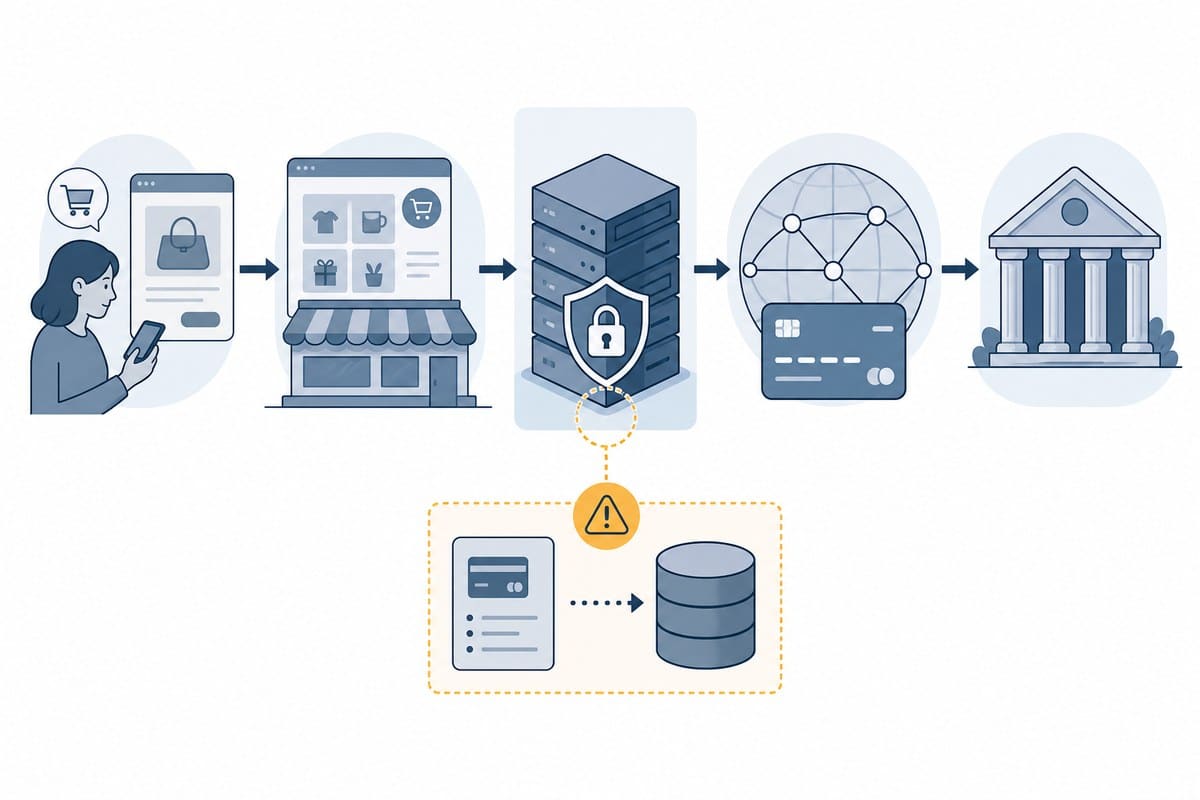
That arrangement makes merchant lists a poor guide to exposure. Cleverbridge has public customer relationships with prominent technology brands, but none should be described as affected merely because it uses, or has used, Cleverbridge services. The company has not released a list of merchants connected to this incident, and the available reporting does not establish which vendors’ transactions were involved.
Equally unresolved is whether the copied payment information was encrypted, tokenized or otherwise protected in a way that would affect its usability. BleepingComputer said Cleverbridge had not answered questions on that issue, the intrusion path, the number of people affected, or why CVV/CVC information was accessible. Those are material operational questions, but the current record does not establish a payment-card standards violation or show how the data was stored.
The absence of a public victim count also limits comparisons with other payment breaches. A compromise involving a small, defined set of transactions and one involving years of recurring subscriptions would require very different customer and merchant responses. For now, neither the volume of records nor the time span of unauthorized access has been disclosed.
What customers should watch for
People who receive a notice should read the specific description of their affected information rather than assume every reported detail applies to them. They can monitor card statements and transaction alerts, and contact the card issuer promptly about unfamiliar charges. An issuer can determine whether a replacement card or other account controls are appropriate.
Customers may also need to identify the purchase through the software seller, product name or descriptor on a statement, rather than searching only for Cleverbridge. The processor’s role is precisely why incident notices and card-statement monitoring may be the first indication for people who do not recognize the company’s name.
Cleverbridge’s next disclosures will determine whether this becomes a narrowly bounded payment incident or a larger platform breach. For the moment, the confirmed facts are limited: unauthorized activity was detected Nov. 4, payment-card data was copied, systems were restored that day, and notifications began Nov. 20. The reported customer notice provides a sharper picture of possible exposure, while leaving the overall scale unknown.