


Eating disorders are among the most complex and misunderstood mental health conditions, often requiring specialized knowledge to assess and treat effectively. Yet access to that expertise has historically been limited. Geographic barriers, workforce shortages, and the high cost of advanced training have all made it difficult for professionals to gain the education needed to confidently support individuals struggling with disordered eating.
In recent years, online education has begun to change that landscape. As digital learning platforms evolve, they are opening doors for clinicians, dietitians, educators, and allied health professionals to access high-quality, specialized training regardless of location. This shift is playing a meaningful role in expanding access to competent eating disorder care and strengthening the broader behavioral health workforce.
- The Ongoing Gap in Eating Disorder Expertise
- How Online Learning Is Closing That Gap
- Accessibility Beyond Geography
- Aligning Education With Research and Best Practices
- Supporting Interdisciplinary Collaboration
- Reducing Stigma Through Education
- Career Development and Workforce Sustainability
- Flexibility Without Sacrificing Depth
- Looking Ahead: The Future of Eating Disorder Education
- Expanding Knowledge to Expand Care
The Ongoing Gap in Eating Disorder Expertise
Despite increased public awareness, eating disorders remain underdiagnosed and undertreated. Many individuals first seek help from providers who may not have specialized training in eating disorder assessment or intervention. This can lead to missed warning signs, delayed referrals, or treatment approaches that fail to address the full complexity of the condition.
Eating disorders often present alongside anxiety, depression, trauma histories, or medical complications. Symptoms can vary widely depending on age, gender, body size, cultural background, and individual psychology. Without targeted education, even experienced professionals may struggle to identify when eating behaviors cross the line from concerning to clinically significant.
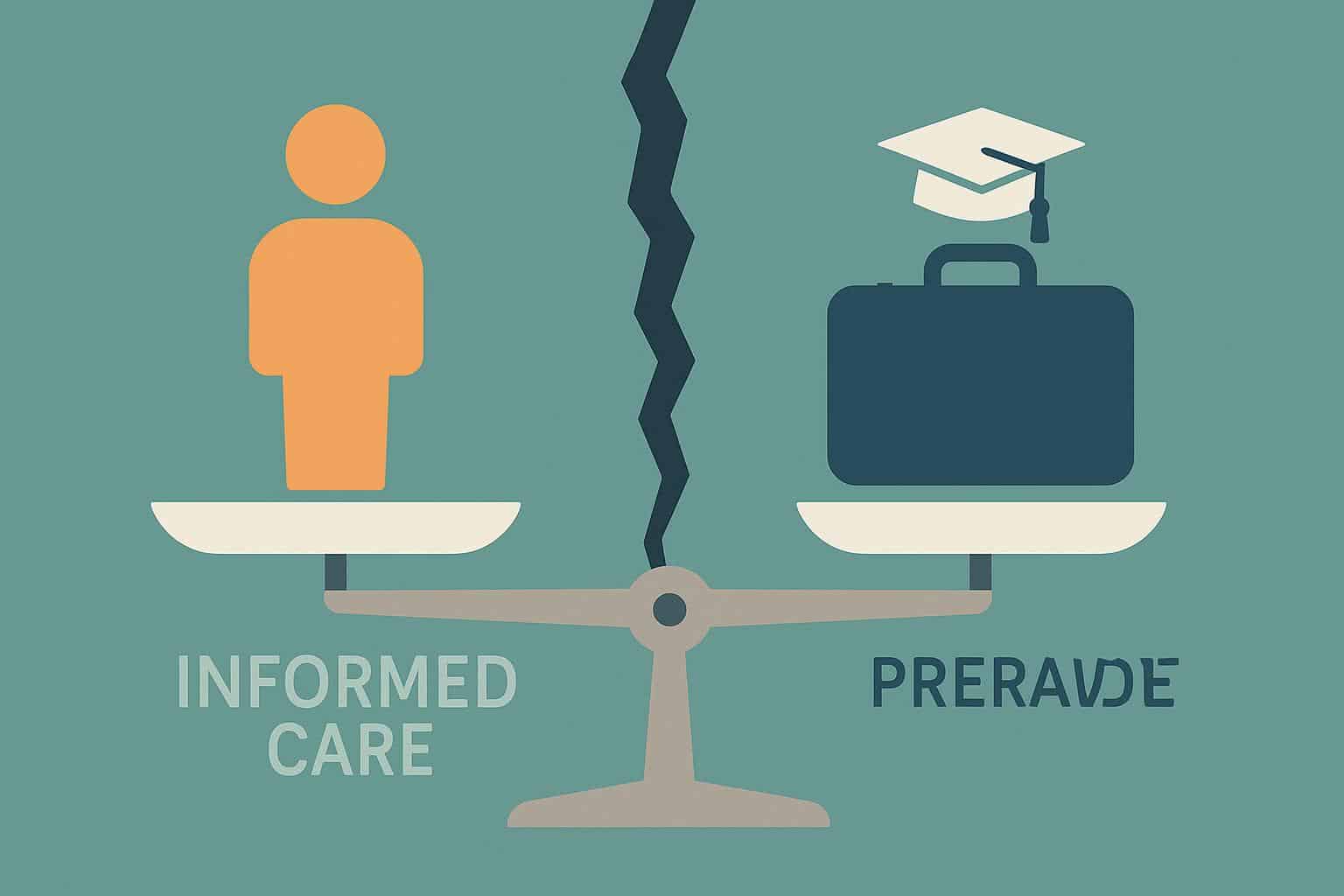
The result is a persistent gap between the number of people who need informed care and the number of professionals who feel adequately prepared to provide it.
How Online Learning Is Closing That Gap
Online education has emerged as a powerful tool for addressing these disparities. By removing geographic and logistical barriers, digital learning platforms make specialized training more accessible to professionals across regions, practice settings, and career stages.
An eating disorders online course allows learners to engage with evidence-based material at their own pace while balancing clinical work, family responsibilities, and other professional commitments. This flexibility is especially important in fields like mental health and healthcare, where time constraints often prevent participation in traditional in-person training.
Online education also allows training providers to reach a much broader audience, expanding the pool of professionals equipped to recognize and respond to eating disorders effectively.
Accessibility Beyond Geography
One of the most significant advantages of online education is its ability to reach professionals in underserved or rural areas. In many regions, there are few — if any — eating disorder specialists available. Clients may have to travel long distances or remain on waitlists for extended periods, delaying care during critical windows.
When local providers have access to specialized online training, individuals are more likely to receive informed support earlier in their journey. A therapist, school counselor, or primary care provider who has completed focused education can recognize red flags sooner and make appropriate referrals or treatment decisions more quickly.
This decentralization of expertise helps ensure that care is not limited to major metropolitan areas or specialty clinics alone.
Aligning Education With Research and Best Practices
Quality online courses are grounded in current research and clinical guidelines. Institutions such as the National Institute of Mental Health play an important role in advancing understanding of eating disorders, supporting research on causes, risk factors, and effective treatments. When training programs integrate insights from reputable research bodies, learners benefit from education that reflects the most up-to-date scientific knowledge.
Research-informed online education can cover topics such as:
- Diagnostic criteria and differential diagnosis
- Medical and psychological risk assessment
- Evidence-based therapeutic approaches
- The neurobiology of eating disorders
- Ethical considerations and scope of practice
- Cultural and identity-related factors in treatment
This foundation helps professionals move beyond myths and assumptions, replacing uncertainty with clinical clarity.
Supporting Interdisciplinary Collaboration
Eating disorder care often involves collaboration across multiple disciplines, including mental health providers, dietitians, physicians, and educators. Online education can support this interdisciplinary approach by offering shared frameworks and language that improve communication among professionals.
When different members of a care team receive similar foundational training, coordination becomes more effective. Treatment goals are better aligned, and clients receive more consistent messaging. This collaborative understanding is particularly important when managing medical risk, navigating higher levels of care, or supporting individuals transitioning between treatment settings.
Reducing Stigma Through Education
Stigma remains a major barrier to both seeking help and providing care for eating disorders. Many misconceptions persist, including beliefs that eating disorders are lifestyle choices, vanity-driven, or limited to certain demographics. These assumptions can influence how symptoms are perceived and how seriously concerns are taken.
Education plays a critical role in dismantling these myths. Online courses often emphasize the biological, psychological, and social dimensions of eating disorders, helping professionals understand them as legitimate, complex health conditions. This shift in perspective fosters empathy, improves client-provider relationships, and reduces the likelihood of minimizing or dismissing symptoms.
When professionals are better informed, they are also better positioned to educate families, schools, and communities — further extending the impact of training beyond individual practice.
Career Development and Workforce Sustainability
Beyond improving client care, online education supports professional growth and workforce sustainability. Many clinicians seek specialized training because they want to feel more confident, competent, and ethically grounded in their work. Without adequate preparation, working with high-risk conditions like eating disorders can lead to anxiety, self-doubt, and burnout.
Structured online learning provides a roadmap for skill development, helping professionals build confidence over time. This not only improves retention in the field but also encourages more clinicians to accept and support clients with eating disorders rather than avoiding these cases due to uncertainty.
As more professionals gain specialized knowledge, access to care expands organically, reducing strain on overburdened specialty programs.
Flexibility Without Sacrificing Depth
A common concern about online education is whether it can deliver the same depth as in-person training. High-quality programs address this by incorporating interactive components such as case studies, reflective exercises, assessments, and applied learning opportunities.
Modern online courses are designed to be engaging and rigorous, allowing learners to revisit complex material, reflect on real-world scenarios, and integrate concepts into their existing practice. For many professionals, this format actually enhances learning by allowing time for reflection and application rather than passive attendance.
Looking Ahead: The Future of Eating Disorder Education
As technology continues to advance, online education will likely play an even greater role in shaping the future of eating disorder care. Hybrid models, advanced certification pathways, and ongoing professional development modules are expanding how professionals learn and stay current.
The growing acceptance of online learning reflects a broader understanding that access to education is a key component of access to care. When more professionals are trained, more individuals receive timely, informed, and compassionate support.
Expanding Knowledge to Expand Care
The expansion of online education represents more than a shift in learning format — it reflects a meaningful step toward closing long-standing gaps in eating disorder care. By making specialized training more accessible, flexible, and research-informed, online courses empower professionals to respond more effectively to a complex and often overlooked set of conditions.
As awareness grows and education continues to evolve, the reach of competent eating disorder care will extend further — benefiting individuals, families, and communities alike.
