


Step into a traditional sauna, and the air itself is doing the work. Heated to sometimes 180-plus degrees Fahrenheit, warming your body indirectly through sheer ambient heat. Step into an infrared sauna, though, and something different happens. Infrared light heats the body directly. The air around you barely has to change at all. Saunas have been part of relaxation routines for centuries, sure, but this particular shift in how the heat gets delivered changes almost everything about how the experience actually feels day to day. It’s a big reason more people are folding sauna use into a regular habit these days, rather than treating it like an occasional splurge.
Lower Heat, Longer Comfortable Sessions
Switch from a traditional sauna to an infrared sauna and the first thing you notice, almost every time, is how much more bearable the heat feels. Traditional saunas run intense. Sometimes uncomfortably so, which caps how long anyone can reasonably stay in before the heat wins out. Infrared units usually sit cooler, somewhere around 120 to 140 degrees Fahrenheit, yet still deliver a deep, penetrating warmth, since that heat aims at the body itself rather than the room around it.
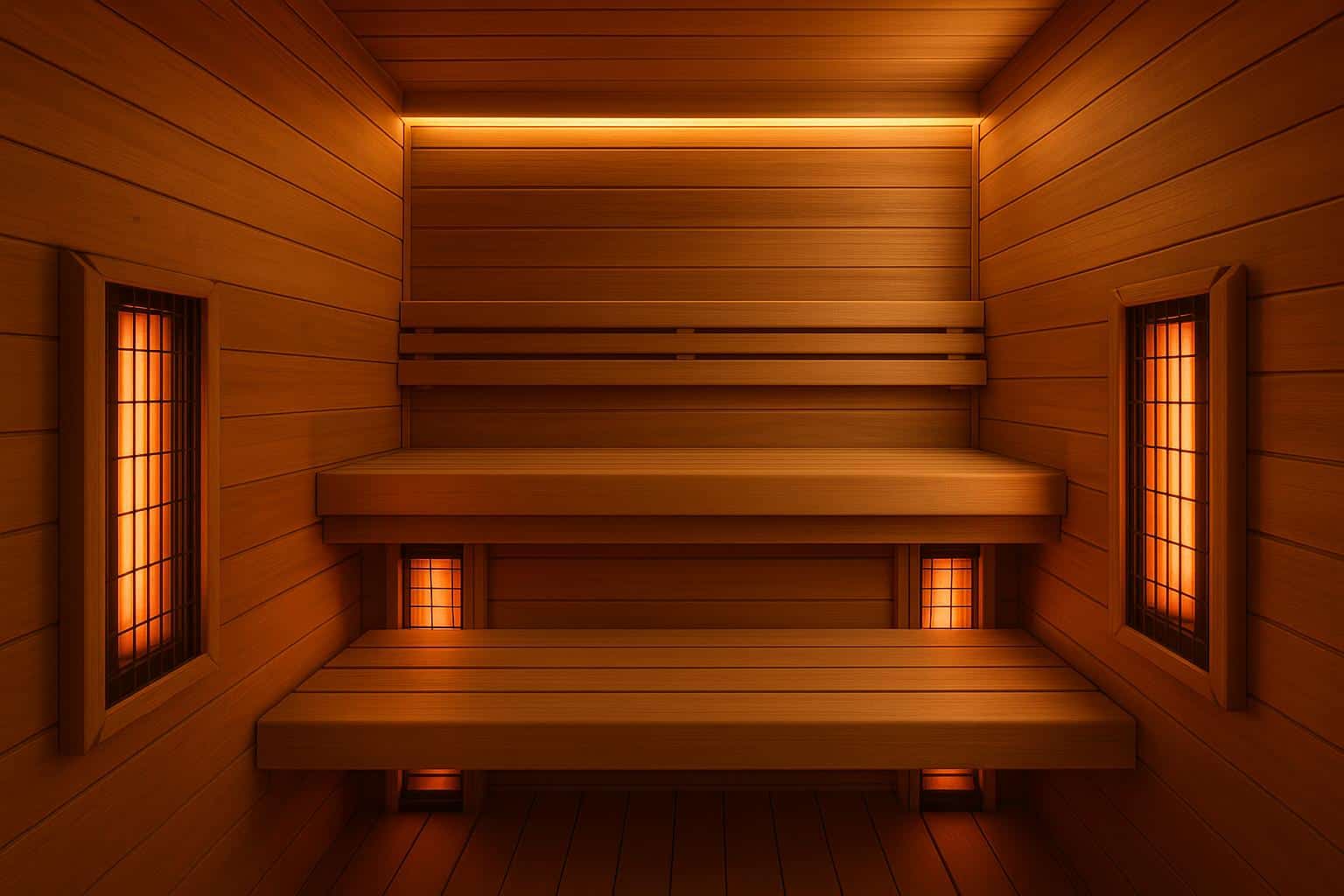
Lower temperature can make a real difference. Sessions run longer without tipping into unbearable, and the whole thing shifts from enduring heat to something closer to sinking into it. Anyone who found traditional saunas too much to use regularly, or who just doesn’t have a high tolerance for extreme heat in the first place, tends to find this one factor is what makes daily or near-daily sessions realistic, rather than something saved for rare occasions.
A Routine That Actually Fits Into Daily Life
Relaxation habits live or die on consistency, not intensity. This is where infrared saunas earn a real practical edge. Quicker to heat up, no need to bring a whole room to extreme temperature first, so it slots into a daily or several-times-a-week rhythm far more naturally than something you’d have to plan around like a special event.
Twenty minutes before bed. Thirty after a workout. A quiet stretch at the end of a long day. All of it becomes genuinely doable once setup and heat-up time stop getting in the way. That ease of access, more than anything else, tends to decide whether a wellness habit survives past the first few weeks. A routine that slides into an ordinary evening keeps happening. One that feels like a whole production gets skipped, again and again, until it quietly disappears from the calendar altogether.
Muscle Relaxation and Physical Recovery
Heat therapy has a long track record when it comes to easing muscle tension, and infrared heat specifically gets described by longtime users as reaching deeper into muscle tissue than they expected. Makes sense, given the warmth travels directly into the body instead of warming things from the outside first. That’s earned it a spot in plenty of post-workout recovery routines, especially for people carrying everyday muscle tightness from exercise, physical labour, or one too many hours hunched over a desk.
The steady, gentle warmth also tends to support circulation during a session, which a lot of regular users describe simply as feeling looser and easier in the body afterward. Worth being upfront about one thing, though: infrared sauna use isn’t a stand-in for actual medical treatment of an injury or a chronic condition. Within a broader recovery and relaxation routine, it’s become a common companion to other physical wellness habits people already have going.
Mental Relaxation and Stress Relief
There’s a mental side here too, and it deserves just as much weight as the physical benefits do. Carving out real, screen-free time in a warm, quiet space gives the mind something it rarely gets otherwise. A genuine chance to slow down. The mix of warmth, stillness, and a pause from constant stimulation is a big part of why sauna use has been tied to stress relief for a long time now, well before infrared technology ever entered the conversation at all.
For plenty of people, the sauna stops being about the heat and becomes more about the ritual wrapped around it. A consistent pocket of quiet, carved out of an otherwise loud day, carries real value as a mental reset on its own terms. Separate from whatever’s happening physiologically underneath it.
Accessibility for a Wider Range of People
Because infrared saunas run cooler, they open up to a wider range of people than traditional high-heat saunas do, including people who find intense heat overwhelming or who simply have lower heat tolerance in general. Not the same as saying it’s right for everyone regardless of health status, though. Anyone with a heart condition, blood pressure concerns, or who’s pregnant should check with a doctor before starting regular sauna use of any kind. But for people chasing the relaxation benefits of heat therapy without the intensity of a traditional sauna, that lower operating temperature genuinely widens who can comfortably use it.
Energy Efficiency Adds Up Over Time
There’s a practical, ongoing upside worth mentioning here too. Since infrared saunas skip heating an entire room to extreme temperatures, they generally use less energy than traditional saunas running a comparable session. For anyone using a sauna regularly, as a real part of everyday life rather than an occasional indulgence, that efficiency gap adds up over months and years in a way that’s easy to underestimate at first glance.
Bringing It Into a Regular Routine
Boiled down, what makes infrared sauna use appealing for everyday relaxation is accessibility, plain and simple. Lower heat that’s easier to sit with for longer. Faster setup. A routine that bends around ordinary life instead of demanding life bend around it. Add in genuine physical and mental benefits that build through consistency rather than a single session, and you land on a form of heat therapy that’s earned a spot as a daily habit, not just an occasional treat, for more and more people.

