


Before your contractor picks up a hammer, there is a conversation that matters more than any demo day. The questions you ask, and the answers you get, shape how smoothly your renovation goes from the first permit to the final walkthrough. Most problems on a big remodel do not start with bad quality. They start with something that was never talked about in the first place. A little clarity now can prevent months of frustration later. Here are the topics worth covering with your contractor before work begins.
Talk Through The Full Scope Of Work
Before signing anything, sit down with your contractor and walk through exactly what whole house remodeling in Jacksonville will include from start to finish. Ask which rooms are changing, whether walls are moving, and what stays untouched. A vague scope leads to vague expectations, and vague expectations lead to arguments once the work is underway.
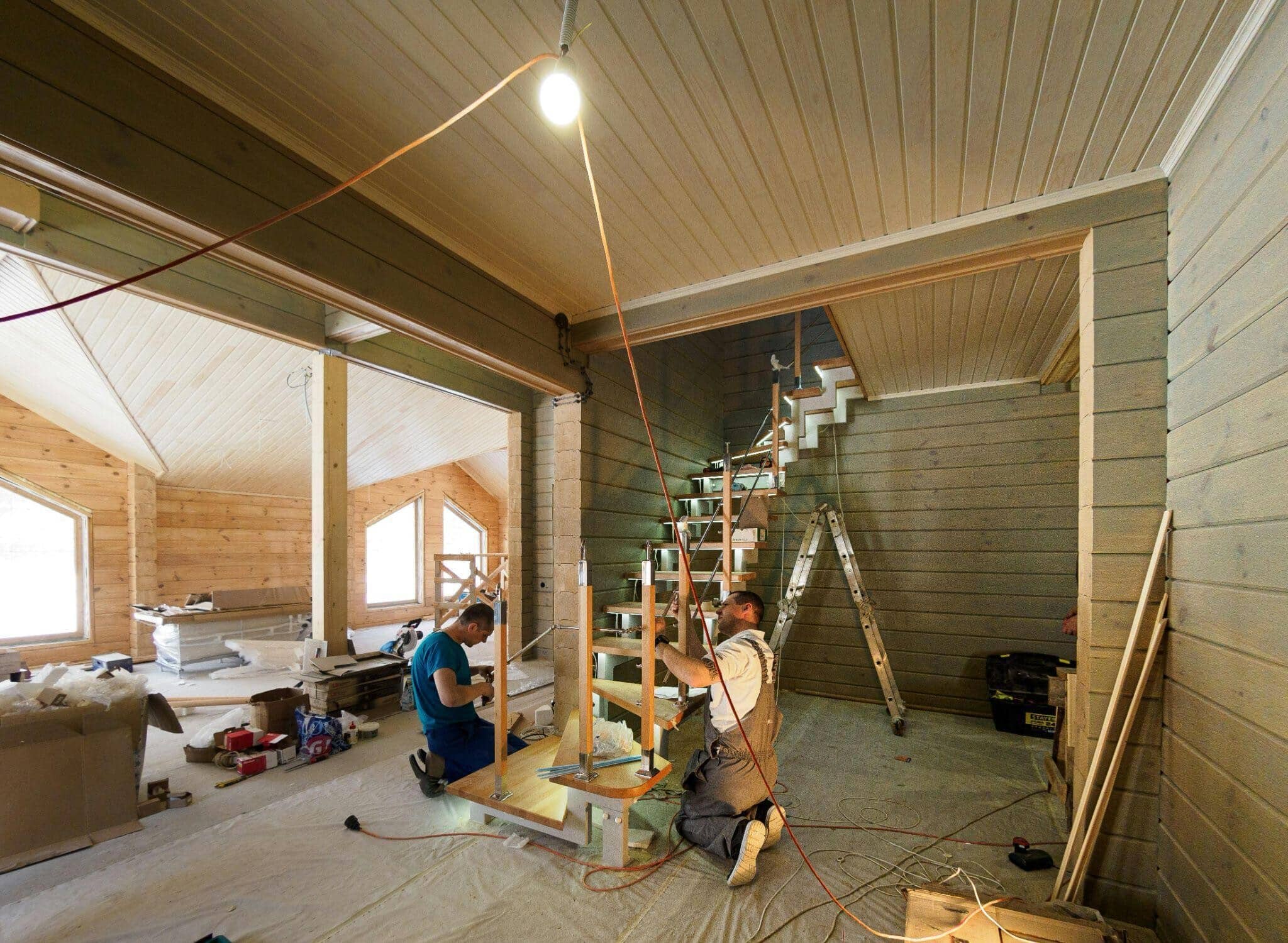
Put the scope in writing, room by room, with enough detail that both of you could hand it to a stranger and get the same understanding. Include finishes, fixtures, and any allowances for items you have not picked out yet. This document becomes your reference point anytime a question comes up later in the project, and it gives you something solid to point back to if the conversation ever turns fuzzy.
Ask About The Payment Schedule And Deposit
Florida law limits how much a contractor can collect upfront. In most cases, an initial deposit cannot be more than 10 percent of the total contract price or $1,000, whichever is less. If a contractor asks for a much larger deposit before starting, treat that as a warning sign and ask why.
Once you agree on a deposit, ask how the rest of the payments will be broken down. Most large renovations tie payments to specific milestones, such as finishing demolition, framing, or drywall. Get this payment schedule in writing so you both know exactly when money changes hands and what work should be done by then. Walking through this schedule together also gives you a natural checkpoint to confirm the project is actually moving at the pace you expected.
Clarify Permits And Who Handles Them
A whole house renovation almost always needs permits for plumbing, electrical, and structural work. Ask your contractor directly who is responsible for pulling these permits and how long that process usually takes. Under Florida law, a contractor who collects more than 10 percent upfront must apply for permits within 30 days and start work within 90 days after they are issued.
Ask to see the permit numbers once they are pulled, and check them against the city’s building department records if you want extra peace of mind. This step protects you from unpermitted work, which can cause problems if you ever try to sell your home or file an insurance claim.
Set Expectations For Communication And Delays
Renovations rarely go exactly as planned, so ask your contractor how they will keep you updated as the project moves along. Will you get weekly check-ins? A group text thread? A shared online schedule? Knowing this ahead of time saves you from wondering what is happening behind the scenes once the work is underway.
Also ask how change orders work if something unexpected comes up, like water damage behind a wall or an outdated electrical panel. A clear process for pricing and approving these changes keeps small surprises from turning into big disputes down the line.
Review Your Rights As A Homeowner
Florida law requires most residential construction contracts over $2,500 to include a written notice about the Florida Homeowners’ Construction Recovery Fund. This fund can offer limited payments to homeowners who lose money because a licensed contractor violated state law. Ask your contractor to point out this section in your contract, and read Florida’s full construction contract statute if you want to understand your protections in more detail.
Keep a copy of every signed document, receipt, and change order in one folder, whether that is a physical binder or a folder on your computer. If a disagreement ever comes up, having a clear paper trail makes it much easier to resolve things fairly and quickly, and it shows your contractor from day one that you take the process seriously.
Setting Your Renovation Up For Success
The conversations you have with your contractor before work begins often matter more than the work itself. When you agree on the scope, payment schedule, permits, communication plan, and your rights as a homeowner, you remove most of the guesswork from the months ahead. Take the time to ask these questions early, and you will walk into your renovation with confidence instead of uncertainty.

