


Bavarian crepes, also known as “Bayrische Omelett-Pfannkuchen” in German, are a delightful culinary creation originating in Bavaria, Germany. These thin, delicate pancakes are not your average crepes. They are a unique twist on the traditional French version, offering a taste experience like no other. This is your guide to Bavarian crepes, from their historical roots to the essential role of ceramic cookware in perfecting their preparation.
What Are Crepes?
Crepes, in their various forms, have a rich history spanning cultures and centuries. Originating in France, these thin pancakes spread around the world, each region adding its unique touch to the classic recipe.
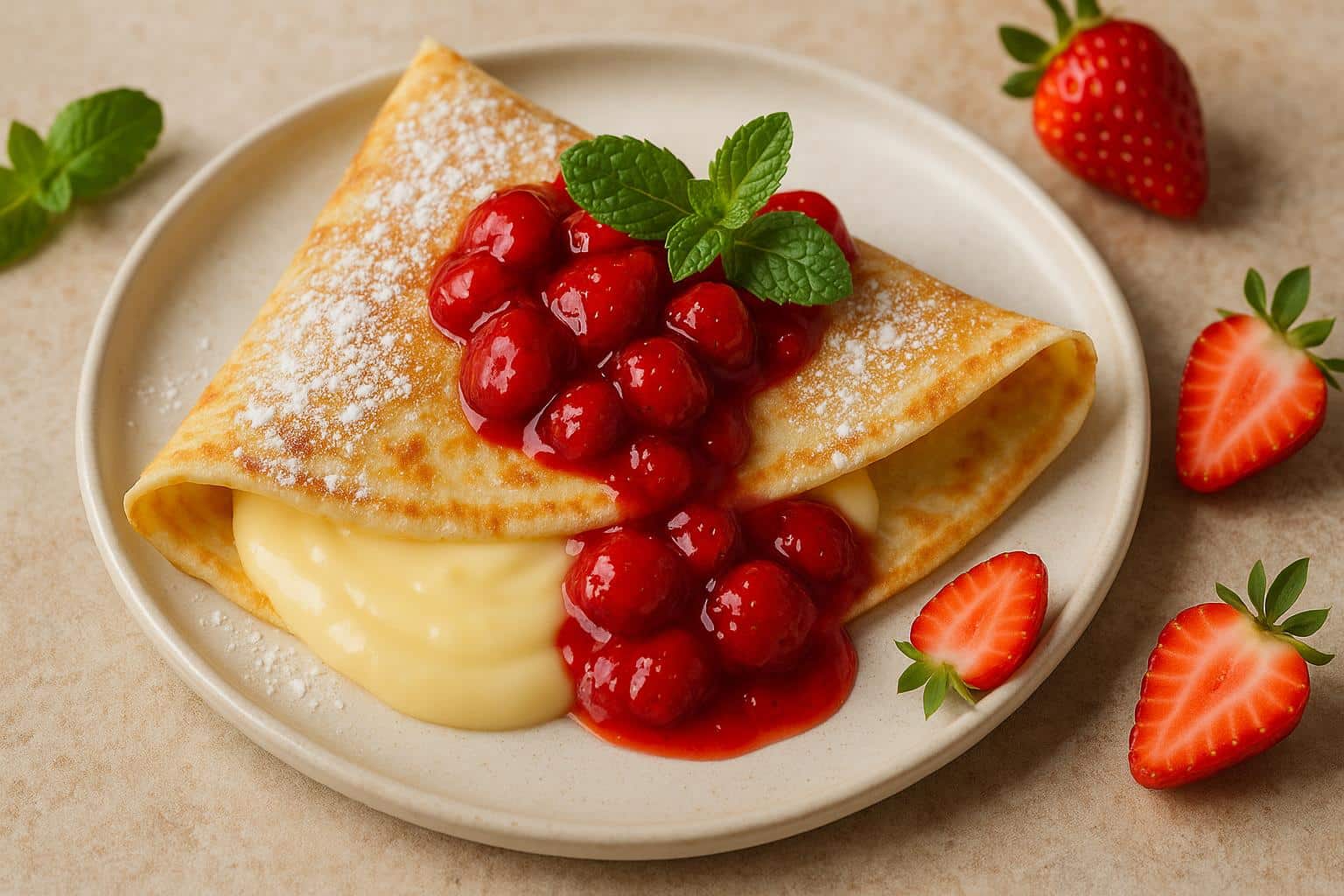
While the French version is well-known for its elegance and sophistication, other variations, such as Bavarian crepes, bring a distinct flair to the table. Bavarian crepes stand out for their heartier texture and flavorful filling, making them a popular choice for breakfast or dessert among Bavarians and crepe enthusiasts worldwide.
The Birth of the Bavarian Crepe
Bavarian crepes emerged as a local specialty in Bavaria, Germany, combining influences from traditional German cuisine with the art of crepe-making. Unlike the French crepes, Bavarian crepes are typically thicker and heartier, offering a more substantial mouthfeel.
The batter for Bavarian crepes often includes ingredients like flour, eggs, milk, and a pinch of salt, creating a perfect balance of flavors and textures. What truly sets Bavarian crepes apart is their fillings, which range from sweet jams and fruits to savory meats and cheeses, offering a wide array of flavors for every palate.
How Do You Make Bavarian Crepes?
To make your very own batch of Bavarian crepes, you will need a few essential ingredients and the right technique. Start by whisking together flour, eggs, milk, and salt until smooth. Heat up a non-stick ceramic pan over medium heat, making sure it is evenly coated with a thin layer of butter or oil.
Pour a ladleful of batter into the pan, swirling it around to create a thin, even layer. Cook each crepe for a few minutes on each side until lightly golden brown. Once cooked, fill the crepes with your preferred sweet or savory fillings, such as Nutella and bananas or ham and cheese. Serve warm and enjoy the delightful flavors of Bavarian crepes.
Variations and Innovations
While traditional Bavarian crepes hold a special place in culinary culture, there is always room for variations and innovations to spice things up. Modern chefs and home cooks have experimented with different fillings and toppings to create unique twists on the classic Bavarian crepe.
From exotic fruits and flavored creams to spicy sausages and fresh herbs, the possibilities are endless. By incorporating new ingredients and techniques, you can put a fresh spin on Bavarian crepes and create your own signature dish that will surely impress your guests.
Comparing Bavarian Crepes to Other Crepe Varieties
When comparing Bavarian crepes to other crepe varieties, such as the classic French crepe or the Hungarian palacsinta, notable differences emerge in flavor, texture, and preparation methods. Bavarian crepes are thicker and heartier than their French counterparts, offering a more substantial bite and mouthfeel.
French crepes are known for their thin, delicate nature, often served with sweet fillings like Nutella or fresh berries. On the other hand, Bavarian crepes can feature a wide range of fillings, including savory options like ham and cheese, reflecting the diversity and versatility of Bavarian cuisine.
The Rich Tradition and Flavorful Delights of Bavarian Crepes
Bavarian crepes are a delightful culinary creation that captures the essence of Bavarian cuisine. With their thicker texture, flavorful fillings, and cultural significance, Bavarian crepes offer a unique dining experience that is sure to please food lovers around the world. Whether you enjoy them for breakfast, dessert, or any time in between, Bavarian crepes are a versatile dish that celebrates the art of crepe-making in a distinctive and delicious way.

