


Skin tags are a very common and generally harmless skin condition that affects people of all ages. While they are not dangerous, many Australians choose to remove them for comfort or cosmetic reasons. Understanding what skin tags are, why they appear, and when to seek treatment can help you make informed decisions about your skin health.
What Are Skin Tags?
Skin tags, medically known as acrochordons, are small, soft growths that hang off the skin. They are usually flesh-coloured or slightly darker and can vary in size from a tiny grain of rice to several millimetres wide. Skin tags are not cancerous and do not usually cause pain, although they can become irritated if rubbed by clothing or jewellery.
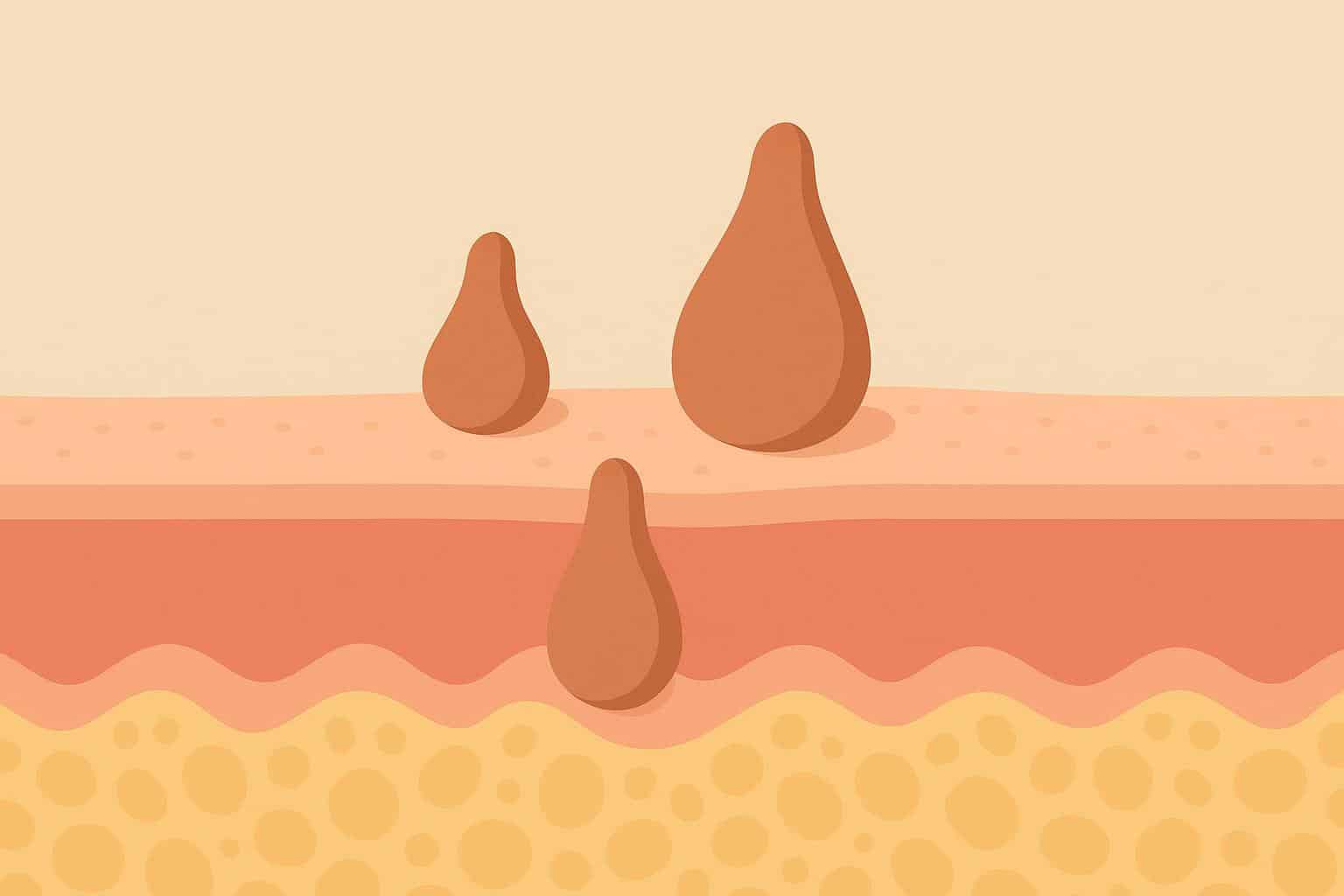
These growths are most commonly found in areas where the skin folds or experiences friction, such as:
- The neck
- Armpits
- Groin
- Under the breasts
- Eyelids
- Inner thighs
Skin tags are extremely common, with studies suggesting that nearly half of all adults will develop at least one skin tag during their lifetime.
Why Do Skin Tags Appear?
Although the exact cause of skin tags is not fully understood, several contributing factors are known to increase the likelihood of developing them.
Skin Friction
One of the most common reasons skin tags appear is repeated friction. When skin rubs against skin or clothing, it can trigger the formation of these growths. This is why skin tags often occur in folds or creases of the body.
Ageing
Skin tags become more common as people get older. Many Australians notice their first skin tags appearing during middle age, although they can develop earlier.
Genetics
If skin tags run in your family, you may be more prone to developing them. Genetics can influence how your skin responds to friction, ageing, and hormonal changes.
Hormonal Changes
Hormonal fluctuations, particularly during pregnancy, can increase the likelihood of skin tags forming. Pregnant women often notice new skin tags developing, especially around the neck and under the breasts.
Insulin Resistance and Health Factors
There is a known link between skin tags and conditions such as insulin resistance, type 2 diabetes, and metabolic syndrome. While skin tags themselves are harmless, a sudden increase in their number may be worth discussing with a healthcare professional.
Weight and Body Changes
People who are overweight or experience rapid weight changes may be more prone to skin tags due to increased skin folds and friction.
Are Skin Tags Dangerous?
Skin tags are benign and not a form of skin cancer. They do not spread or turn malignant. However, it is important to have any unusual or rapidly changing skin growths assessed by a medical professional to rule out other skin conditions.
If a skin tag becomes painful, bleeds frequently, changes colour, or grows rapidly, it should be checked by a doctor or dermatologist.
Should Skin Tags Be Removed?
Removal of skin tags is not medically necessary unless they cause discomfort, irritation, or repeated bleeding. Many Australians choose to have them removed for cosmetic reasons or because they catch on clothing or jewellery.
It is strongly advised not to attempt cutting or removing skin tags at home, as this can lead to infection, scarring, or excessive bleeding. Professional skin tag removal is safe, quick, and typically involves minimal discomfort.
Professional Skin Tag Removal Options
Qualified practitioners may remove skin tags using methods such as:
- Medical-grade cautery
- Cryotherapy (freezing)
- Surgical removal
The best method depends on the size, location, and number of skin tags present.
Final Thoughts
Skin tags are a normal and very common skin condition that affects many Australians. While they are harmless, understanding why they appear and how to manage them can help you feel more confident about your skin. If you are concerned about a skin growth or are considering removal, consulting a qualified healthcare professional is always the safest option.
Looking after your skin is an important part of overall health, and even small concerns like skin tags deserve proper care and attention.
