


Ponzi schemes are basically scams dressed up as genius investment opportunities. They are always dangling pretty high returns with no risks in front of people. Easy money on face value, but the “returns” come from whoever just bought in, not from any actual business magic.
“These cons never really die out, they just shapeshift. People still fall for them for many reasons. For some, it is pure greed, while for others, it is desperation,” says Ponzi scheme lawyer Scott Silver, of Securities Fraud Attorneys. Take a break and think it through if it sounds too good to be true, trust your gut, and double-check before tossing your cash down a black hole disguised as an “opportunity.”
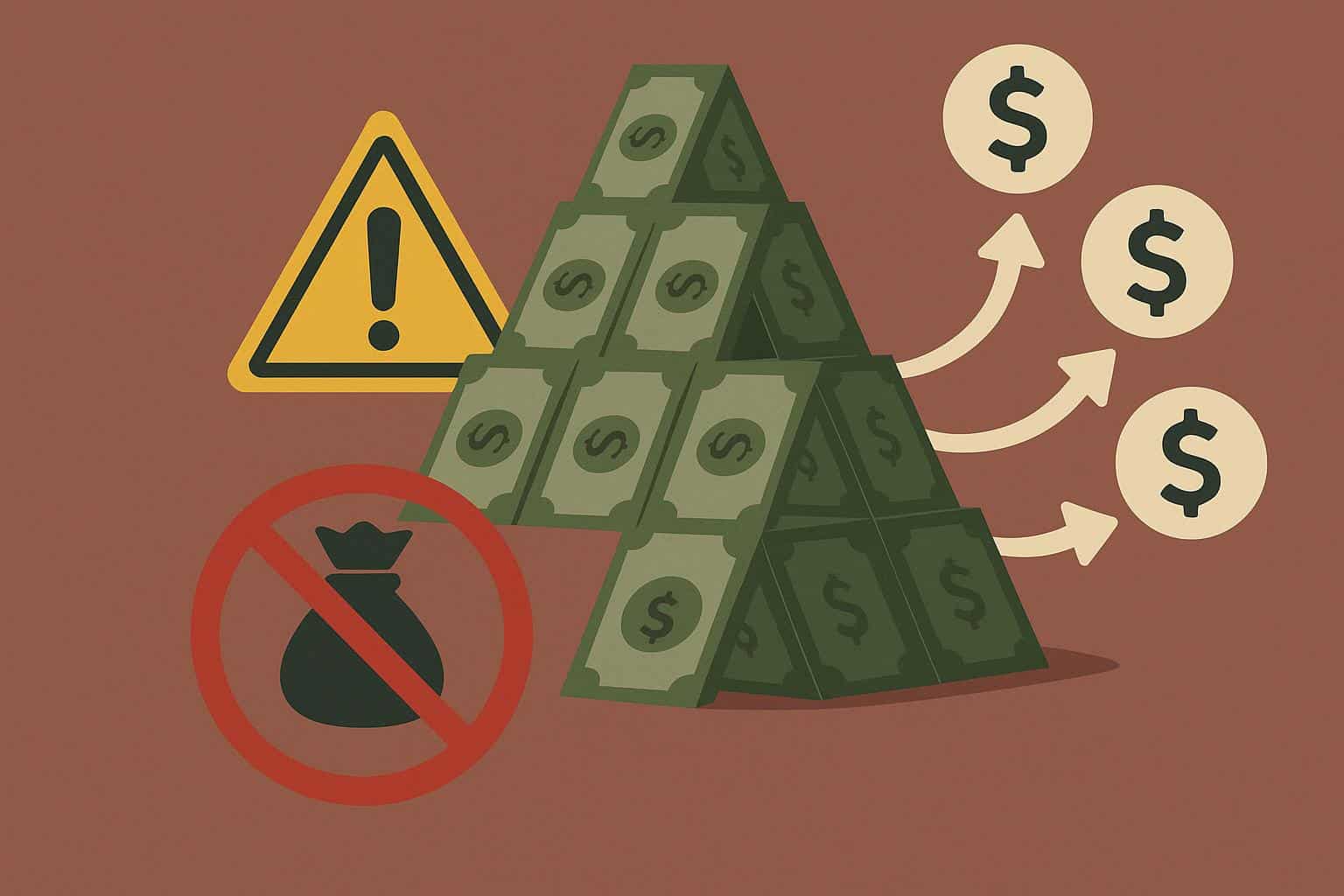
The Ever-Evolving Nature of Ponzi Schemes
Ponzi schemes survive because they adapt to the times, like financial chameleons. Back then, it was boring old postal coupons; now, it is crypto and shiny new tech stuff no one fully understands. Whenever something “hot” hits the market, you can bet a grifter is already two steps ahead, dreaming up the next big trick.
Psychology plays a big role. People see someone else raking in cash and think, “Well, if they can do it, why not me?” Social proof is such a powerful thing. Toss in a little fear of missing out and the promise of a shortcut to financial glory, and you have folks lining up to hand over their life savings.
Victims often trust the schemer, who may appear successful, friendly, or even philanthropic. Next thing you know, everyone is ignoring all the red flags. Despite increased awareness, Ponzi schemes thrive by exploiting basic human behaviors and emotions.
Ponzi Schemes vs. Pyramid Schemes
Ponzi schemes and pyramid schemes are cousins. They both guzzle cash from new victims to pay the old ones, but they play the game differently.
Ponzi schemes have a “sit back and collect your returns” vibe. You think your hard-earned cash is off investing in some hotshot venture, while they are just using fresh money rolling in from other poor victims to pay you out.
Pyramid schemes are way more in-your-face. Here, you have to pay just to get in, and the only way you cash in is by recruiting others. It is shaped like a literal pyramid, money rolling up to the folks above you.
Ponzi schemes can lurk in the shadows for ages, all secretive and smooth. Pyramid schemes, though, are like a tacky neon sign for “DANGER,” pretty hard to miss if you are paying attention. Still, both fall to pieces when new recruits dry up.
Notable Ponzi Schemes in Recent History
Several massive Ponzi schemes have left financial scars in recent years. Bernie Madoff’s $65 billion fraud is the most infamous, robbing investors of $65 billion.
Then you had the PlusToken circus in 2019, cryptocurrency hype meets old-school fraud. People all around the world bought into this blockchain fairytale and ended up $2 billion poorer.
There is also Allen Stanford’s scheme. He went big, peddling fake high-yield certificates of deposit, and squeezed $7 billion from hopeful investors.
All these schemes have one thing in common: greed, a shiny veneer of respectability, and folks looking the other way, trusting when they should have been skeptical of the too good to be true deals.
Legal Risks of Ponzi Scheme Involvement
Landing yourself in a Ponzi scheme, even by accident, can really mess up your life. It does not matter if you did not see the red flags; if you are out there recruiting folks or taking fancy payouts, you might end up facing charges under Ponzi scheme law.
We are talking fines, losing your stuff, and maybe even jail if convicted. You need a Ponzi scheme lawyer who actually knows their stuff when it comes to shady investment scams. Do not just grab the first number you see on a billboard; go for someone who has tackled fraud cases before and has actually helped people who just got swept up in the chaos.
