


Volvo has taken direct aim at the heart of the mid-size SUV market with the EX60, a fully electric model claiming up to 400 miles of range and an infotainment stack powered by Google’s Gemini AI. Positioned between the compact EX30 and the three-row EX90, the EX60 is designed to convert the brand’s longtime XC60 audience to battery power without compromise on performance, usability, or safety.
Range And Performance That Hit The Segment’s Sweet Spot
Built on Volvo’s new SPA3 architecture, the EX60’s headline figure is a projected 400 miles of driving on its range-topping P12 AWD variant. That version pairs dual motors with a 117 kWh battery for a stout 670 hp and an estimated 0 to 60 mph time of 3.8 seconds. Volvo also plans a P10 AWD with a 95 kWh pack targeting up to 320 miles, and a rear-drive P6 rated up to 310 miles.
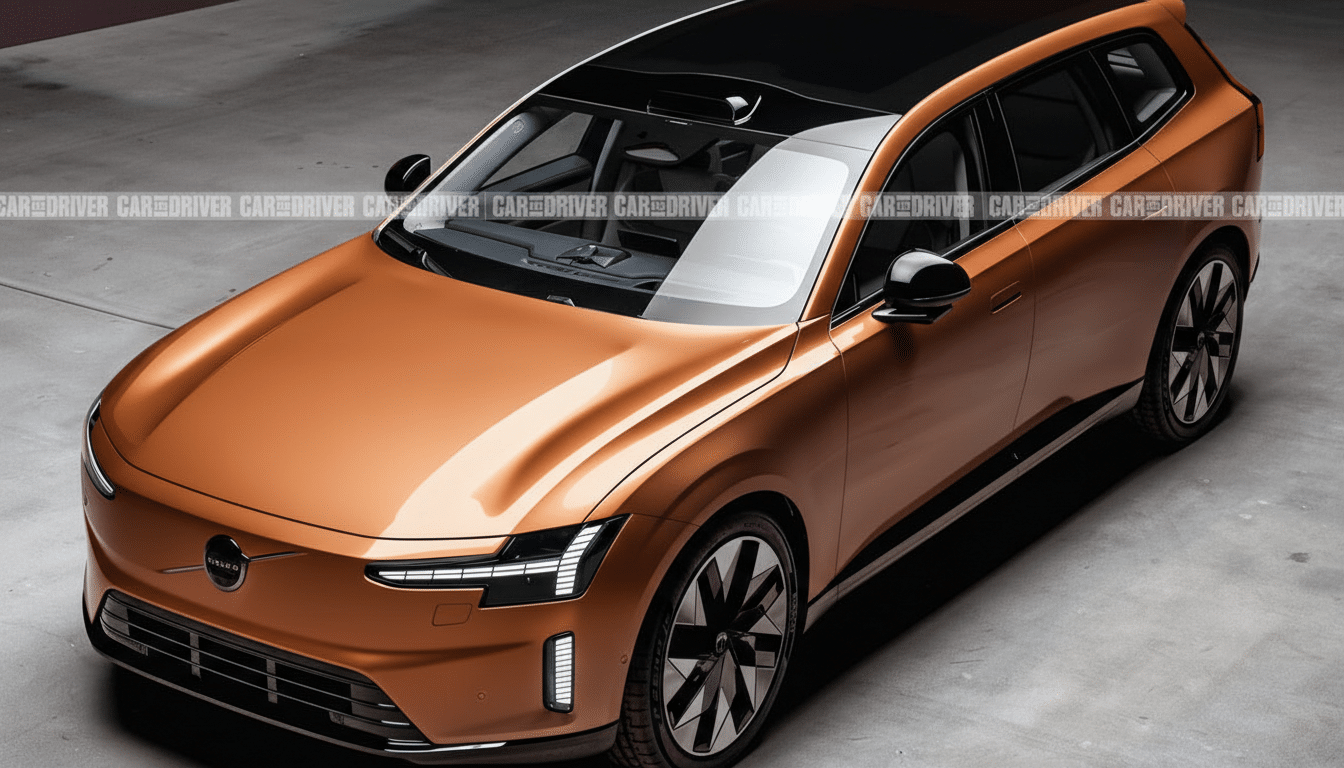
The 400-mile claim puts the EX60 squarely among class leaders on paper. For context, Tesla’s Model Y tops out around 330 miles on EPA methodology, while the latest iX3 from BMW is also quoting approximately 400 miles on its home-cycle estimates. Final EPA certifications for the EX60 are pending, and those figures can differ by 10% to 20% from more optimistic global test cycles, but Volvo’s intent is clear.
High-Power Charging and Battery Tech Details
Volvo says the EX60 can charge from 10% to 80% in about 19 minutes when plugged into a 400 kW DC fast charger, signaling a high-voltage electrical architecture and robust thermal management. That headline is impressive, though real-world times will depend on charger availability and preconditioning. According to the U.S. Department of Energy’s Alternative Fuels Data Center, public sites capable of delivering 350 kW or more are expanding but still limited compared to lower-power options, so the car’s charging curve will matter as much as peak rate.
Beyond speed, intelligent energy management and route planning should be critical differentiators. If Gemini AI is tightly integrated with the navigation stack, the EX60 could more accurately predict consumption, manage preconditioning, and surface reliable charging stops—capabilities increasingly valued by EV veterans and highlighted in studies from groups like J.D. Power that track public charging satisfaction.
Gemini AI Infotainment Aims for No-Lag Experience
Under the skin, a new HuginCore compute platform marries Nvidia and Qualcomm silicon with Google’s Gemini AI. The promise is a smoother experience than previous Volvo systems: quicker screen responses, snappier maps, and more natural voice control. Crucially, Volvo positions Gemini as more than a chatbot. The assistant should understand contextual commands—think setting the climate, finding a charger along a route, or pulling up a favorite podcast—without memorizing rigid phrases.
Audio enthusiasts may be drawn to the available 28-speaker Bowers & Wilkins system. With Apple Music preinstalled and support for Dolby Atmos and Spatial Audio, the EX60’s cabin is clearly tuned for premium streaming, a trend now common among luxury EVs chasing the in-car theater experience.
Safety and Design in Volvo’s Traditional Wheelhouse
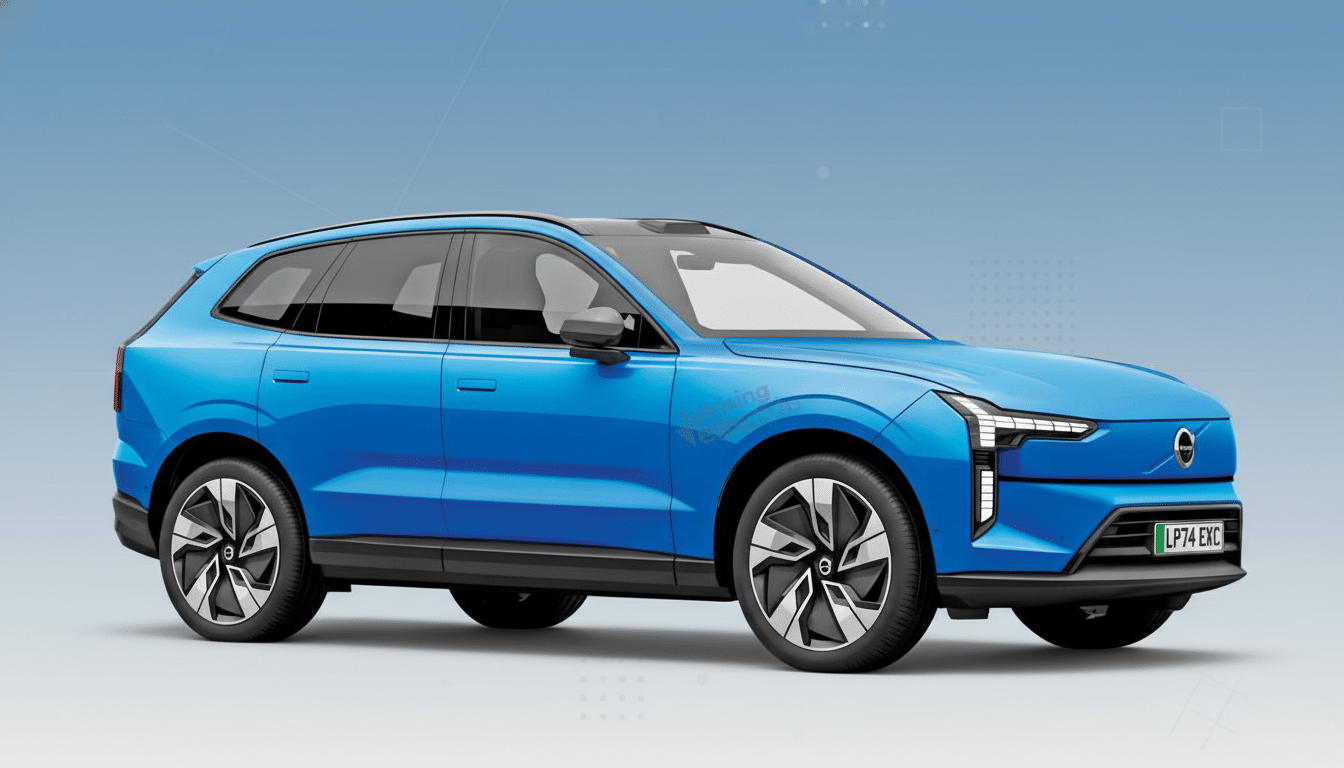
Volvo’s reputation lives or dies on safety, and the EX60 leans in with a boron steel-reinforced safety cage and a full suite of active driver-assistance features. Official ratings from organizations like IIHS and Euro NCAP will follow after testing, but the hardware and software emphasis tracks with the brand’s long-standing playbook.
Inside, the design language is minimalistic and tightly executed, with a notable shift to a horizontally oriented central display—an ergonomic change that aligns with media and map layouts most drivers use. Materials telegraph the Scandinavian aesthetic without overt flash, and the overall form factor should feel familiar to XC60 owners.
Trims, Cross Country Option, and Pricing Details
Alongside the core lineup, Volvo is introducing an EX60 Cross Country. The CC variant adds higher ground clearance, a taller seating position, air suspension, rugged wheel arch cladding, stainless steel skid plates, and model-specific badging. It will be offered in P10 AWD and P12 AWD forms, giving buyers a more adventurous stance without straying into hardcore off-road territory.
Volvo indicates a staggered production ramp for the EX60 family, with all variants entering series production in phases. Early pricing guidance points to roughly $60,000 for a well-equipped P10 AWD, positioning the EX60 to compete directly with premium mid-size EVs while undercutting some larger luxury rivals.
What to Watch Next for the Volvo EX60 EV
Two questions will determine whether the EX60’s spec sheet translates into real-world leadership. First, will the EPA range and charging performance match the claims under everyday conditions and across seasons? Second, can Gemini AI tangibly reduce friction—from voice commands to trip planning—enough to stand out in a field where software increasingly makes or breaks the ownership experience? If Volvo delivers on both, the EX60 could become the brand’s most consequential EV to date.
