


Valve’s long-awaited Steam Machine has become the latest casualty of the global memory crunch, with the company signaling that pricing and exact launch dates remain up in the air even as it aims to ship within the first half of the year. The squeeze on DRAM and NAND is forcing a rethink of schedules and configurations across Valve’s new hardware lineup.
The Steam Machine sits at the center of this uncertainty. It’s a compact, PC-class system that leans heavily on DDR5 memory and high-speed NVMe storage—exactly the components now in short supply and rising in cost. Valve says the goal to deliver its new devices hasn’t changed, but the path to concrete pricing is now more complicated.
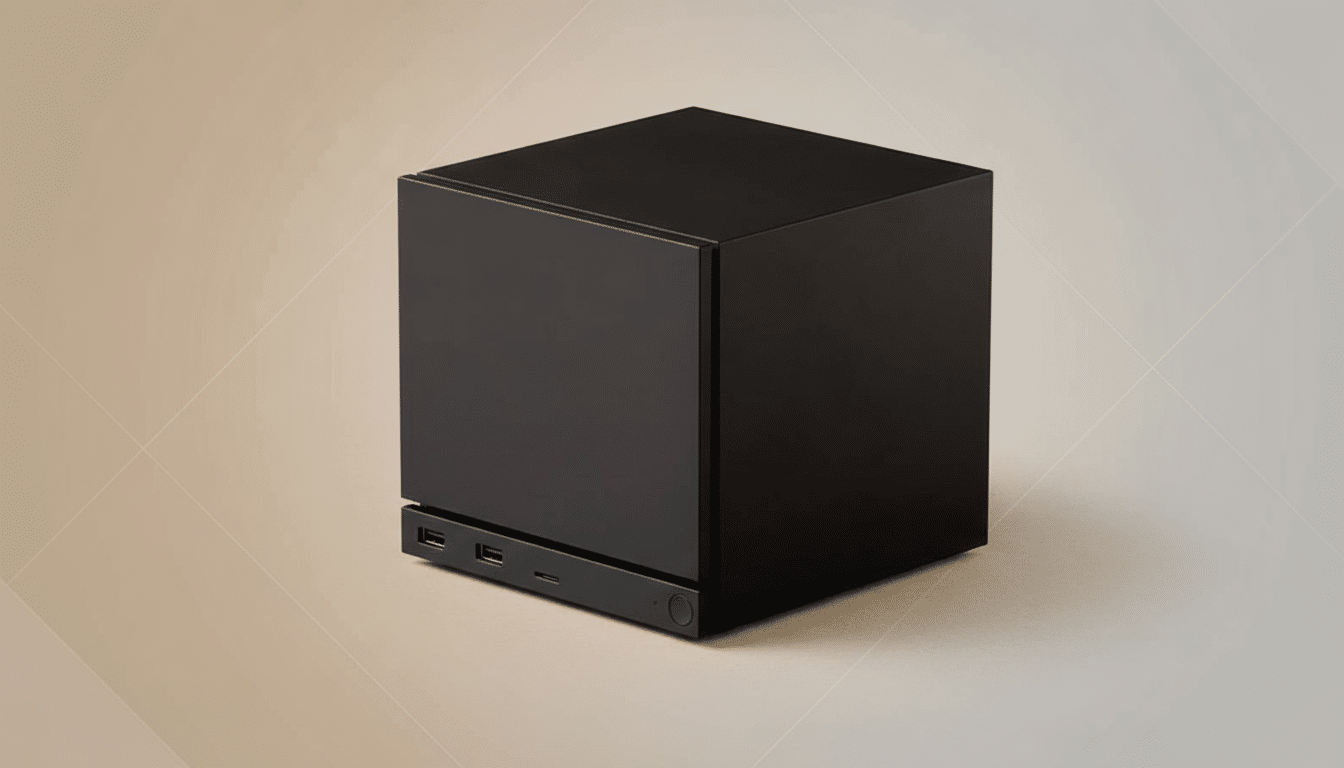
Valve Holds The Window But Not The Numbers
In an update to its hardware FAQ, Valve said it’s revisiting both schedule and pricing due to tight availability and inflation in key components. That affects the Steam Machine most visibly, but also touches the Steam Frame VR headset and the refreshed Steam Controller.
The company is trying to balance two realities: maintain a launch window to meet pent-up demand, and avoid committing to prices that could be obsolete weeks later if memory markets swing again. Translation for buyers: shipping could still happen on time, but MSRP and configurations may land closer to the finish line than usual.
Why Memory Is Suddenly Scarce for Consumer Hardware
Analysts have been warning about this pileup for months. TrendForce has reported double-digit quarter-over-quarter increases in DRAM contract prices and steep rebounds in NAND as suppliers prioritize higher-margin products like high-bandwidth memory for AI accelerators. SK Hynix and Micron have publicly emphasized HBM ramp-ups, while Samsung has reallocated capacity to meet AI demand.
The effect is a classic supply squeeze. With AI data centers absorbing enormous volumes of DRAM and HBM, and with NAND pricing rebounding from cyclical lows, consumer devices—laptops, handhelds, and console-like PCs—are competing for fewer parts at higher prices. IDC has noted extended lead times and shifting allocations across the PC ecosystem, trends that line up with what Valve is now facing.
For a system like the Steam Machine, even modest changes—say, upgrading from 16GB to 32GB of DDR5, or moving from a 512GB to 1TB NVMe SSD—can swing the bill of materials significantly when memory prices are climbing by 10–20% in a quarter.
What It Means for Steam Machine Buyers and Pricing
Expect Valve to keep flexibility. That could mean staged rollouts by region, a narrower set of launch configurations, or initial units that favor more mainstream memory and storage capacities. We could also see component binning—standard-clocked DDR5 instead of the fastest kits—to stabilize supply and pricing.
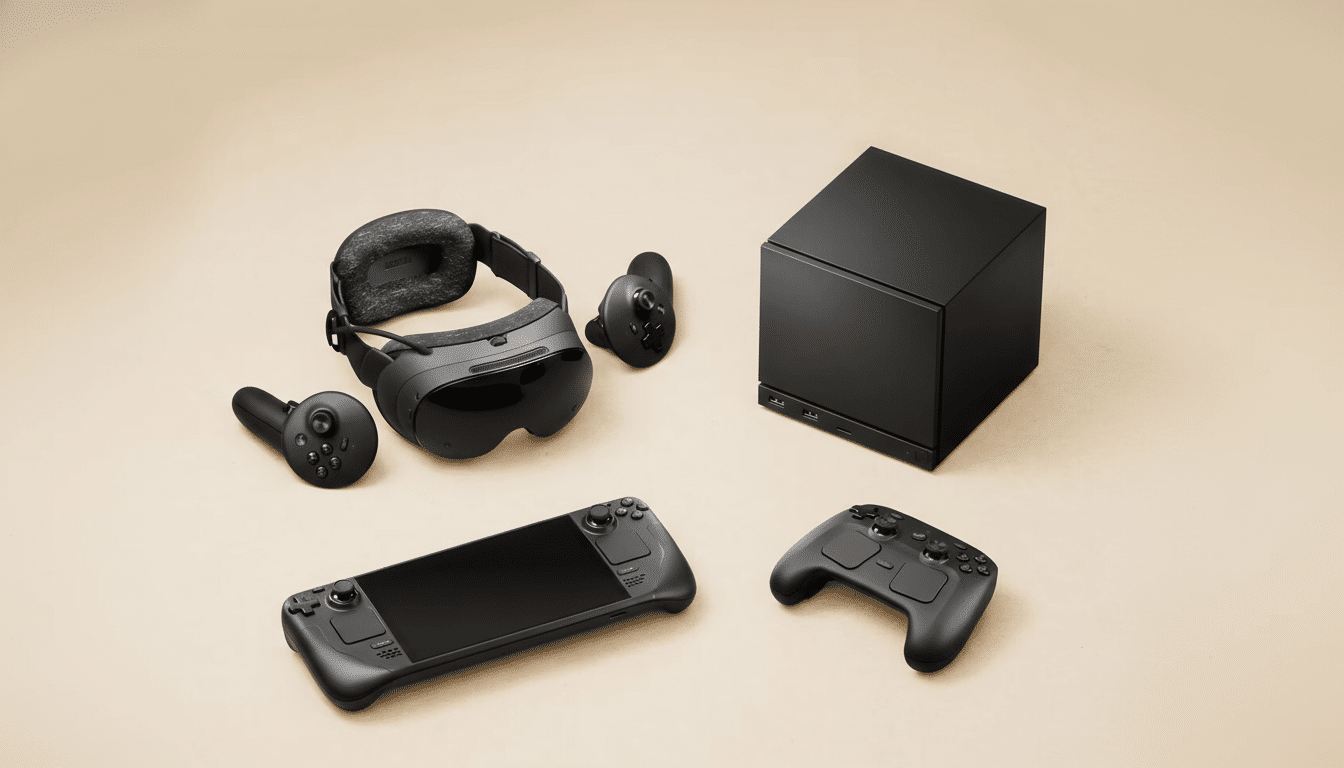
Pricing disclosure will likely arrive late in the cycle. Many hardware makers now lock final MSRPs only after suppliers confirm allocations, and any sudden spot-market swings can ripple into launch-day availability. If memory pricing eases, Valve gains room to be aggressive; if not, it may prioritize hitting the window with fewer SKUs.
VR Headset And Controller Also Feel The Pinch
While the Steam Frame VR headset isn’t as memory-hungry as a standalone console, it still relies on fast LPDDR for onboard processing, sensors, and display pipelines, plus NAND for firmware and local assets. Upstream constraints can limit the exact panels or processors Valve pairs with the headset, influencing cost and availability.
The updated Steam Controller is less exposed to DRAM and NAND volatility, but bundling strategies, accessory pack-ins, and synchronized launches tie its fate to the Steam Machine and headset. If Valve staggers hardware drops, the controller may follow those timelines to ensure cohesive marketing and support.
Industry Signals to Watch Next for Memory Supply
Keep an eye on supplier commentary from Micron, Samsung, and SK Hynix about DRAM and HBM capacity, along with TrendForce price trackers for DRAM and NAND. Any signs of easing—such as stabilized contract prices or improved allocation for PC OEMs—would make it easier for Valve to lock SKUs and announce pricing.
The broader market offers precedent. PlayStation and Xbox launches navigated similar constraints during the wider chip shortage, using phased releases and rapid inventory refreshes as supply improved. Valve may adopt a comparable playbook: ship what’s ready, then iterate as memory markets normalize.
For now, the message is clear: the Steam Machine is still coming, but the global memory shortage is dictating the tempo. Buyers should expect solid hardware with pragmatic component choices at launch—and a path for higher-spec models once the memory tide turns.
