


Screenshotting intimate photos or videos that were meant to vanish could soon become a criminal offense in the UK, as ministers back new provisions in the Crime and Policing Bill targeting nonconsensual copies of “temporary” intimate images. The change would close a high-profile loophole in current law by penalizing the act of capturing a disappearing nude itself, not just distributing it later.
Under the proposed amendment, anyone who makes a copy—by screenshot, screen recording, or similar means—of an intimate image shared for a short time without the subject’s consent could face up to six months in prison and/or a fine. Lawmakers argue the move brings protections in line with modern messaging features such as Snapchat, Instagram’s vanish mode, and WhatsApp’s view-once media.
What The Proposed Offense Covers Under The Bill
The measure focuses on “intimate photographs or films” shared on a temporary basis, where the subject has a reasonable expectation of privacy. Capturing a copy without consent becomes the offense—crucially, prosecutors would not need to prove that the image was then shared or used to cause distress.
The draft includes limited exceptions, such as when the content was already posted in a public space, where no reasonable expectation of privacy applies, or where the person depicted had previously consented to onward sharing. Legal experts note this formulation mirrors recent reforms that moved UK law away from intent-based hurdles and toward focusing on the nonconsensual nature of the act itself.
Why Lawmakers Say The New Offense Is Urgently Needed
For nearly a decade, UK law has targeted the sharing of private sexual images without consent—the so-called “revenge porn” offenses introduced in 2015 and substantially updated by the Online Safety Act. But victims and advocates have long highlighted a persistent blind spot: once an intimate image is captured, control is effectively lost, even if it is never posted online.
The Law Commission of England and Wales recommended comprehensive reform of intimate image abuse in 2022, including a base offense that does not require proving intent to cause harm. Charities such as the Revenge Porn Helpline and Refuge report that threats, coercion, and nonconsensual copying are common precursors to wider harassment. Police-recorded sexual offenses have risen in recent years, according to the Office for National Statistics, yet specialists consistently warn that image-based abuse remains underreported due to stigma and fear of retaliation.
How Enforcement Might Work Under Proposed Changes
In practice, cases are likely to hinge on a mix of victim testimony, digital forensics, and platform data. Some apps flag attempts to screenshot view-once media; where available, those logs could corroborate a complaint. Investigators may also examine device timestamps, cloud backups, or screen recordings.
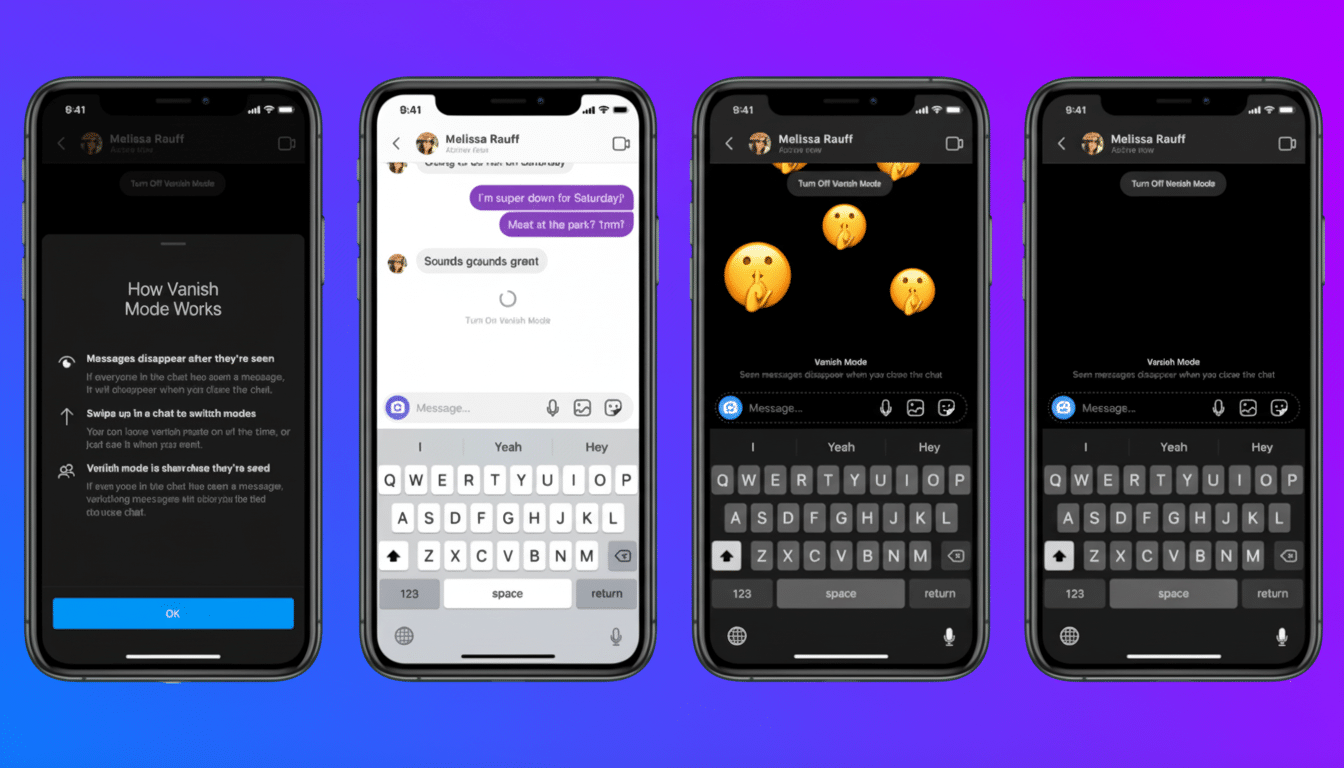
The bill intentionally lowers the evidential bar by criminalizing the act of copying itself. That matters because many abusers use screenshots as leverage in private, never breaching distribution laws. Nonetheless, enforcement will be challenging when offenders photograph screens with a second device or exploit third-party tools—scenarios that platforms cannot reliably prevent. Policymakers say the threat of criminal sanction is designed to deter precisely those behaviors.
Related Measures In The Same Crime And Policing Bill
The government is also backing new offenses targeting nonconsensual “semen-defaced” images—where a subject’s photo is defiled and sent to them—as well as restrictions on incest-themed pornography and tougher rules on AI tools that fabricate nudity. The proposed ban on so-called “nudification tools,” described as “purported intimate image generators,” carries a maximum penalty of up to three years in prison.
Regulators and researchers have sounded the alarm about AI systems that generate sexualized imagery at scale. A recent analysis by the Center for Countering Digital Hate reported millions of sexually explicit outputs from a major model in just days, including images of minors, prompting investigations by UK and international authorities. Lawmakers say the package of reforms aims to tackle the full ecosystem of intimate image abuse—from capture, to manipulation, to dissemination.
What It Means For Users And Platforms If It Passes
For users, the signal is unambiguous: if someone trusts you with a disappearing intimate image, copying it without clear consent could become a criminal act, regardless of whether you ever share it. That standard would likely apply in both adult relationships and youth settings, though prosecutors retain discretion in cases involving minors and safeguarding concerns.
For platforms, the reforms increase pressure to make screenshot warnings prominent, clarify consent flows for view-once media, and rapidly remove abusive content. The Online Safety Act already requires services to mitigate illegal harms; this change would sharpen what counts as illegal at the point of capture, giving companies and police clearer grounds to act on reports.
The Crime and Policing Bill still faces further parliamentary stages. But if enacted as drafted, the UK would become one of the first countries to expressly criminalize screenshotting disappearing nudes without consent—a shift that acknowledges how intimacy is negotiated on phones today and puts the law on the side of control, not capture.

