


President Donald Trump is reportedly leaning on his personal iPhone as his preferred line to friends, family, business leaders, reporters, and even foreign counterparts, a habit that has turned a single consumer handset into Washington’s most consequential phone and sparked fresh alarm among senior aides.
Officials familiar with the situation told The Atlantic that the number has circulated so widely that the device now buzzes nearly constantly, with journalists and power brokers angling for direct access. Inside the West Wing, some frame the practice as proof of accessibility, but security staff and communications professionals see a widening exposure for sensitive conversations and crisis messaging.
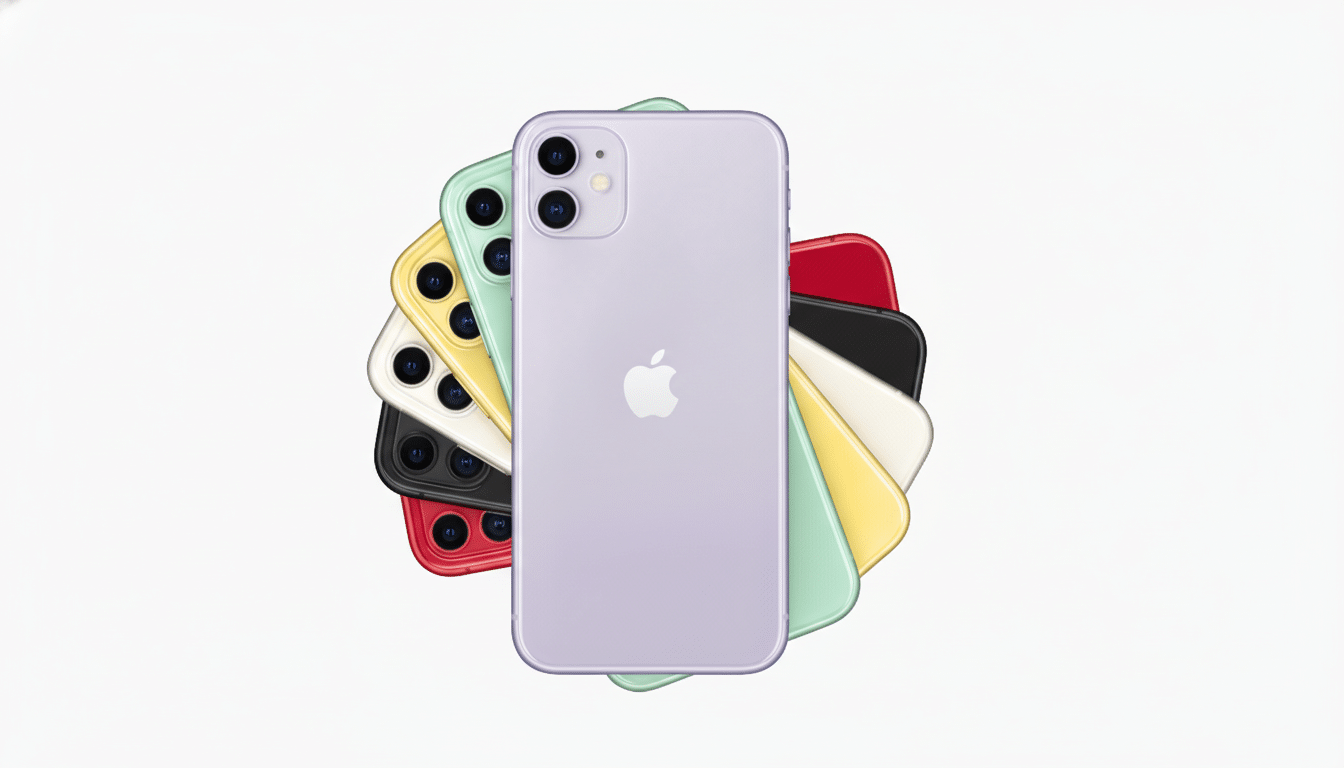
The concern goes beyond etiquette. In an era of rapid escalation and information warfare, an unclassified personal device—no matter how modern—creates opportunities for spoofed calls, engineered narratives, or worse, technical compromise that could shape decisions at the highest level.
The Security Stakes of Using a Personal Phone
Presidential communications typically run through hardened systems managed by the White House Communications Agency, drawing on National Security Agency guidance and long-standing playbooks for secure telephony and data. Decades-old secure desk phones have been upgraded to encrypted VoIP and mobile solutions built for classified conversations, along with stringent call-routing and verification protocols.
An iPhone brings industry-leading security by consumer standards—Secure Enclave key management, rapid patching, iMessage and FaceTime end-to-end encryption—but it also sits in a hostile environment. Zero-click exploits like those used by commercial spyware vendors have repeatedly pierced smartphone defenses, as documented by security research groups and Apple’s own threat notifications to targeted users.
Telecom-layer weaknesses add risk. Legacy signaling systems can enable location tracking or interception, while IMSI-catcher devices can coerce phones onto rogue base stations. Even without technical compromise, social engineering can be devastating: a convincingly spoofed caller ID or a deepfaked voice can seed disinformation to a leader inclined to take spontaneous calls.
Mitigations exist—Apple’s Lockdown Mode, iMessage Contact Key Verification, supervised device management, hardware security keys for the Apple ID, and disabling cloud backups—but they demand discipline, enterprise configuration, and staff oversight that personal devices rarely maintain.
History Shows Presidents Walking a Security Tightrope
Modern presidents have walked this line before. Barack Obama famously clung to a severely restricted BlackBerry, then a function-limited iPhone. Early in Trump’s first term, security teams pushed him off an older Android handset amid similar worries. Subsequent administrations have emphasized government-issued, managed devices for official business.
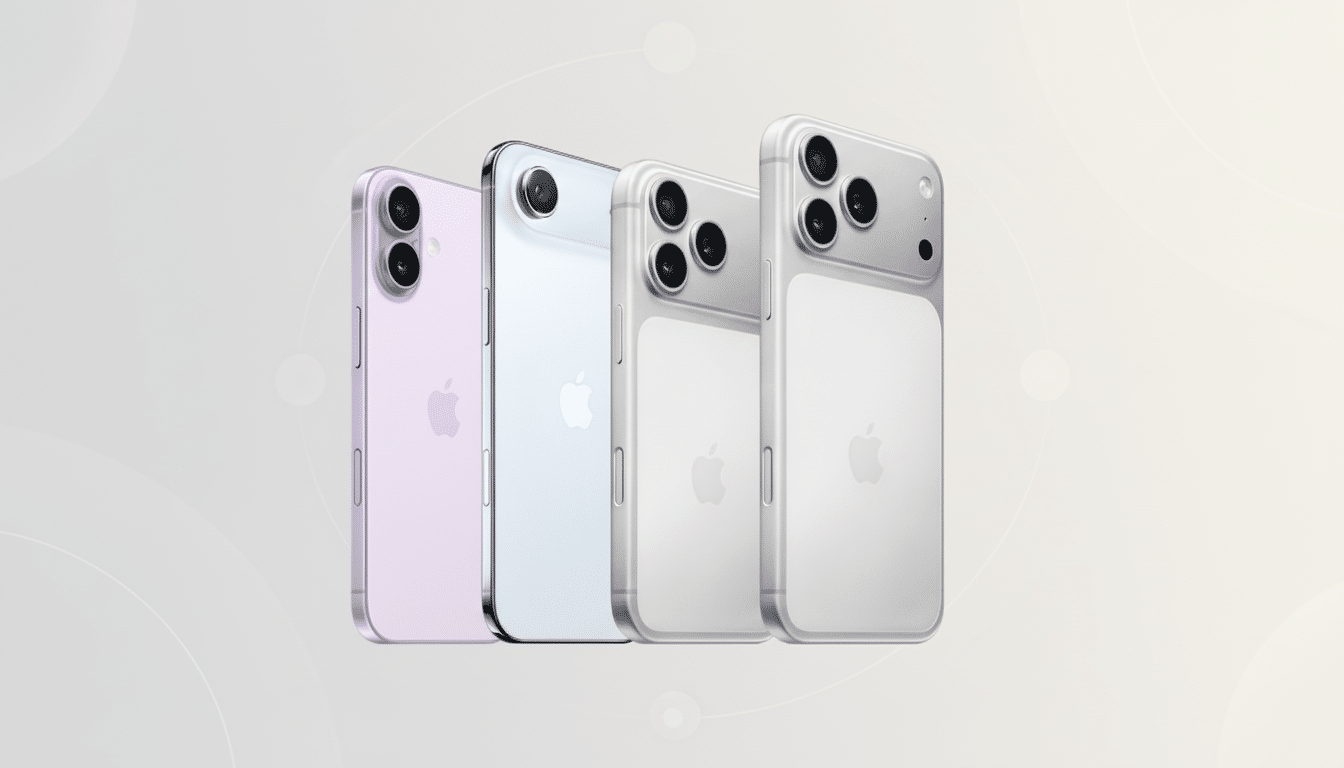
There is also the legal layer. The Presidential Records Act obligates preservation of official communications, and the National Archives has reminded administrations that personal channels complicate recordkeeping and public transparency. A personally managed phone blurs those boundaries, increasing the odds that consequential messages bypass archival systems.
Why the iPhone Rules Communications Across the Beltway
There is a simple reason an iPhone sits at the center of this universe: almost everyone in America’s power circuit already uses one. Counterpoint Research estimates that iPhones account for roughly 60% of the US smartphone market, cementing a network effect across boardrooms, newsrooms, and political war rooms. When time is scarce, the number most people can reach instantly tends to win.
iMessage and FaceTime reduce friction, deliver strong default encryption, and keep group conversations fluid across staff, donors, and media. That ease fuels backchannel chats and off-the-record tips, but it also bypasses the very gatekeeping designed to filter bad information and ensure context reaches the President before decisions are made.
Making a Personal iPhone Ready for Presidential Use
If the personal iPhone remains in play, experts say it should be treated like a sensitive government asset. That means a supervised build provisioned by Apple Business Manager, with mobile device management enforcing Lockdown Mode, disabling unknown accessories, blocking unknown AirDrop, turning off cloud backups, and restricting app installs.
Additional steps include a government-managed VPN, regular device reprovisioning, strict contact whitelisting, and hardware security keys for Apple ID access recovery. On the human side, route unfamiliar inbound calls through the White House switchboard, require dual verification for sensitive discussions, and document official interactions to meet records obligations.
The Bottom Line on Personal Phones and Security Risks
Accessibility can be an asset for any leader, and aides tout the direct line as proof of openness. But in a capital defined by tight timelines and high stakes, the most important smartphone in Washington cannot be the weakest link. Whether the President’s personal iPhone remains the go-to handset will signal how this White House balances speed, transparency, and national security in the days ahead.

