


The Trump Phone saga has taken a twist with a new origin story that traces the idea not to the Trump family but to an MVNO outfit called Liberty Mobile. Interviews published by The Verge indicate the team behind the project previously launched a celebrity-branded carrier with boxing star Canelo Álvarez—and that playbook now appears to be repurposed for a politically charged smartphone push.
A Playbook Recycled From Canelo Mobile’s Strategy
Liberty Mobile, led by Don Hendrickson, Eric Thomas, and Pat O’Brien, is reported to be the engine behind Trump Mobile. Before courting the Trump Organization, the group rolled out Canelo Mobile in 2020—a branded wireless service with budget Android devices and plan bundles.
Canelo Mobile offered low-cost plans starting around $15 and sold phones near the $199 mark. The handsets—The Legend, The Champ, and The Contender—were built by lesser-known manufacturer Hot Pepper and carried minimal celebrity branding. The effort faded quickly; the brand’s online footprint dwindled, and its web domain is reportedly up for auction.
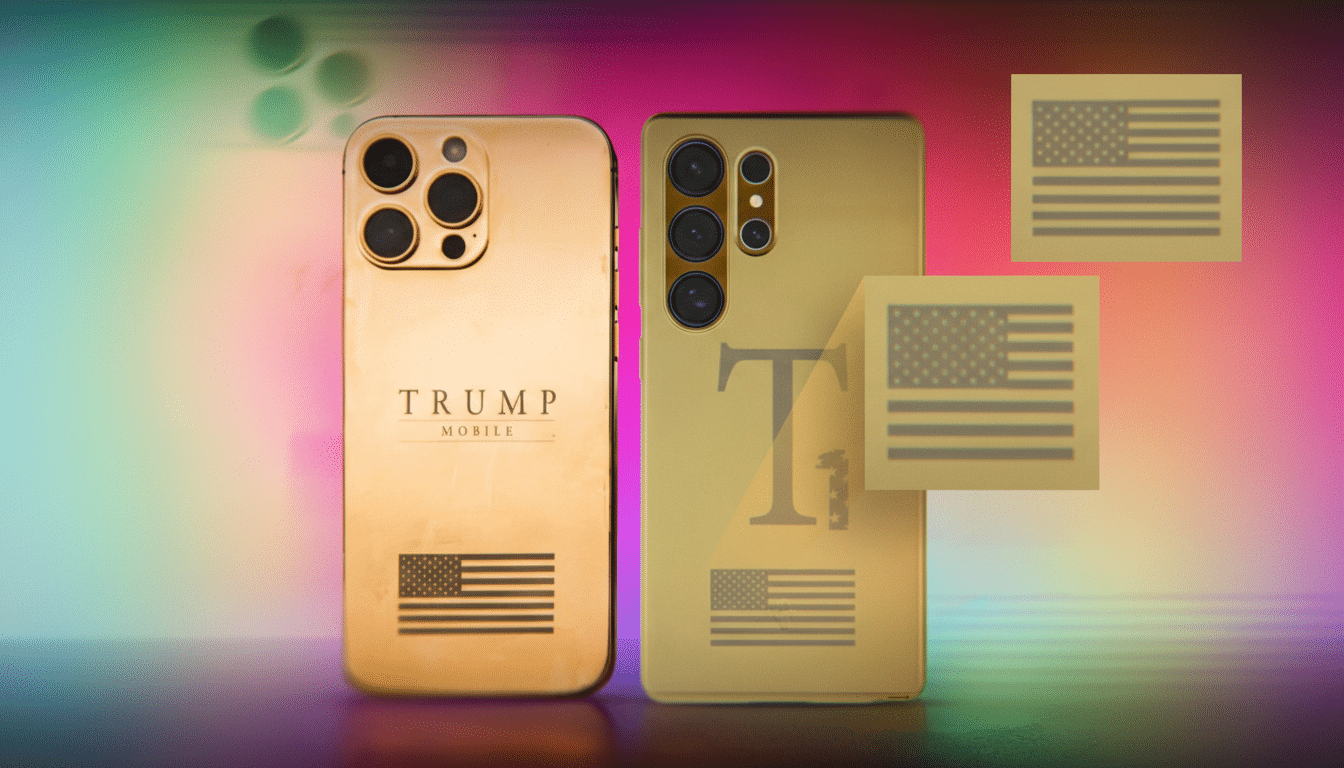
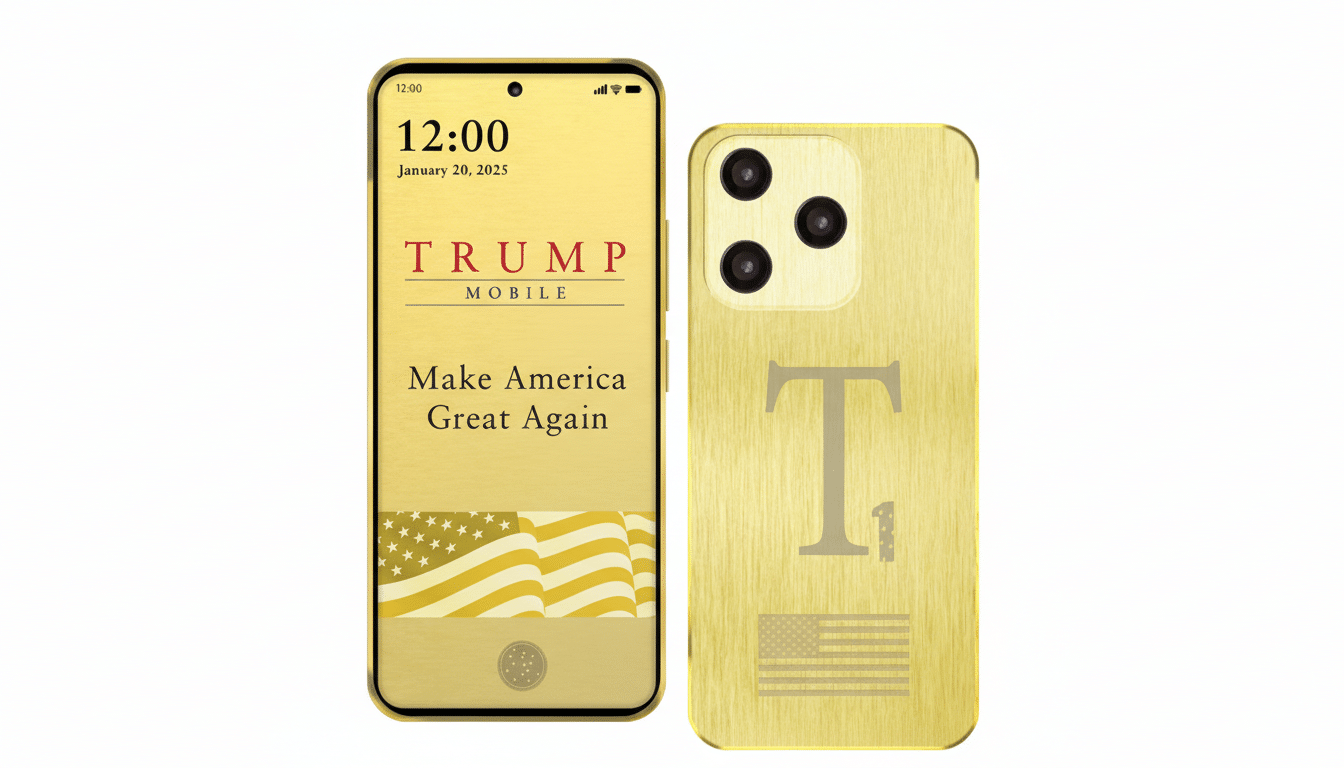
The parallels to Trump Mobile are striking: take a high-profile name, pair it with a branded plan, and use a device to complete the bundle. There has even been chatter of a second Trump-branded phone to follow the debut model, the T1, mirroring the multi-device approach once tried with Canelo’s lineup.
The Real Product Is The Plan Behind Trump Mobile
Perhaps the most revealing detail is strategic, not technical. As Hendrickson put it in comments reported by The Verge, “We’re in the razor blade business, we’re not in the razor business.” In other words, the phone is the lure; the recurring wireless subscription is the revenue engine. It’s a classic MVNO model: sell a story, hook a community, and build predictable monthly cash flow on leased network capacity from a major carrier.
Pricing underscores that strategy shift from Canelo to Trump. Where Canelo Mobile skewed budget, Trump Mobile is pitching premium with a single $47.45 monthly plan and a $499 T1 Phone that could see a higher sticker price once fully launched. That places it above many MVNOs that often compete between $15 and $30 for entry tiers, and closer to mainstream postpaid price psychology, though without the heavy device subsidies typical at the big carriers.
Industry dynamics make the bet both intriguing and risky. MVNO margins are thinner than those of network owners, which is why brands obsess over customer acquisition cost and churn. Analysts at Counterpoint Research have long noted that aggressive pricing, simple digital onboarding, and efficient support are key to survival. A celebrity or political brand can compress marketing costs by tapping built-in audiences—but the model still lives or dies on the monthly plan value and service reliability.
Can A Political Brand Succeed Where Sports Failed
There are reasons to think a political identity could translate into subscription loyalty. A dedicated base can deliver lower churn than a generic retail funnel, especially if the brand weaves community, perks, or exclusive content into the plan. But the flip side is a narrower addressable market and higher reputational risk if hardware or service stumbles generate outsized blowback.
Contrast that with a better-known success story: Mint Mobile’s rise under Ryan Reynolds’ stewardship, culminating in a sale to T-Mobile valued at up to $1.35 billion. Mint didn’t lean on a bespoke handset; it won with sharp pricing, an online-only experience, and relentless customer acquisition tactics. The lesson is clear: star power can open the door, but sustained value keeps subscribers.
Execution remains the big question for the T1. The phone has cycled through shifting specs, delays, and a recent near-final glimpse without a confirmed on-shelf date. Executives have hinted the price could climb after initial availability, a tactic that can create urgency but also frustrate early adopters if hardware or software polish is lacking. In an era when consumers expect four to five years of security updates from top Android vendors, update commitments and warranty terms will matter as much as any patriotic finish or custom wallpaper.
What To Watch Next As Trump Mobile Plans Unfold
Three signposts will reveal whether this venture escapes Canelo Mobile’s fate:
- Network clarity and support: which host network is used, how robust customer service is, and whether international roaming and eSIM are handled cleanly.
- Value mechanics: plan flexibility, family options, financing, and trade-ins that can widen appeal beyond the core fan base.
- Product credibility: a stable software roadmap, timely security patches, and transparent repair and return policies.
The origin story reframes the Trump Phone not as a moonshot gadget but as the centerpiece of a subscription-business play refined during a previous celebrity experiment. If Liberty Mobile can pair brand affinity with real plan value, the T1 could become a viable gateway device. If not, the project risks repeating the Canelo Mobile arc—brief buzz, modest sell-through, and a quiet fade into the long tail of MVNO history.
