


In the fast-moving engineering landscape of 2026, the gap between “deploying code” and “securing code” is where most enterprise risk lives. As organizations adopt complex, AI-driven microservices, the traditional friction between development speed and security checkpoints has become a primary bottleneck.
The most resilient businesses are solving this by pairing the high-level architecture of DevOps Consulting with the 24/7 autonomous power of a Vulnerability Scanner.
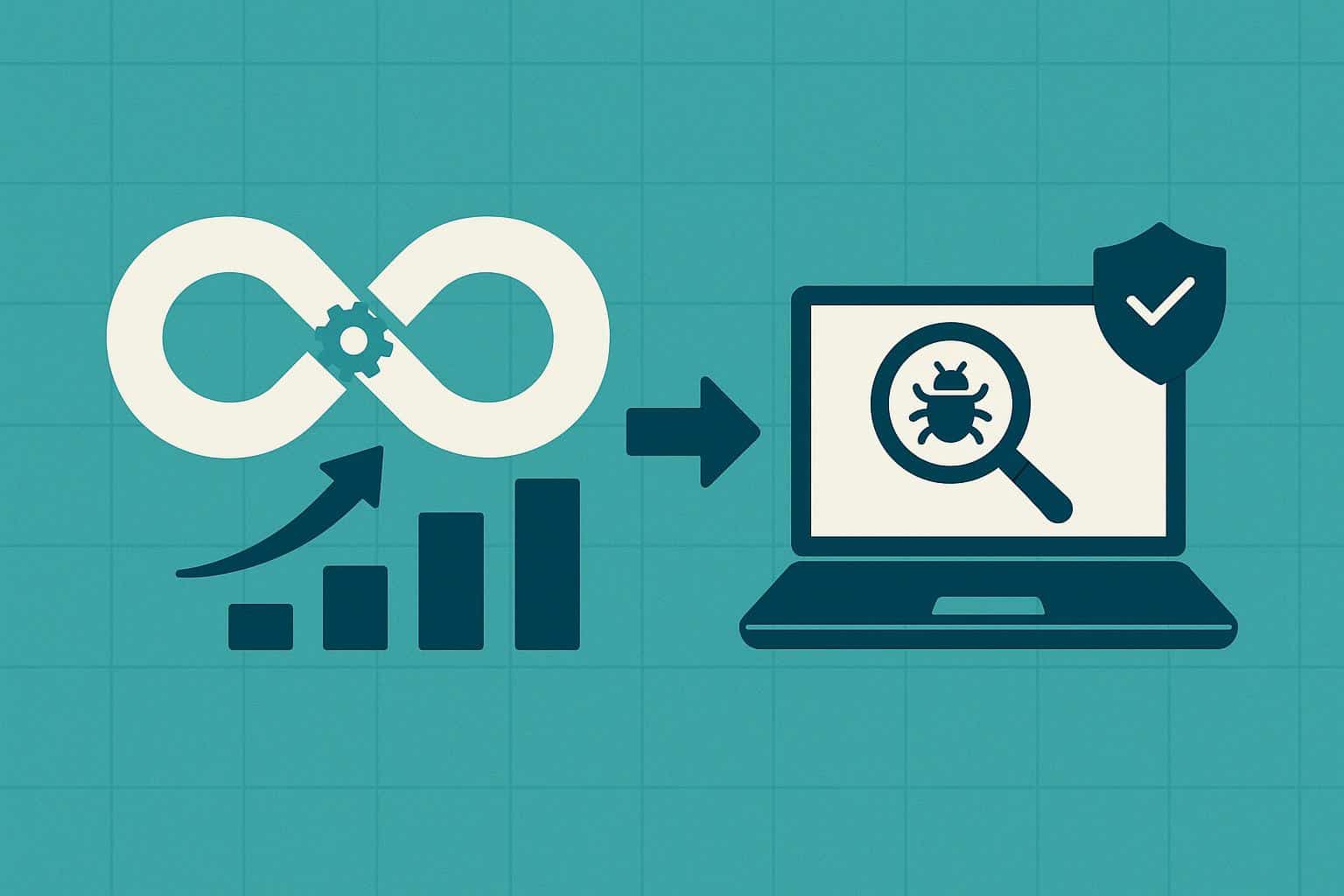
1. The Architect: Strategic DevOps Consulting
DevOps is no longer just about choosing a CI/CD tool; it is a cultural and architectural shift toward Platform Engineering. As defined by Opsio Cloud, consulting services act as the blueprint for this transformation.
Strategic Impact in 2026:
- Cultural Alignment: Breaking down the silos between Dev, Ops, and Security to create a “Shared Responsibility” model.
- Infrastructure as Code (IaC): Transitioning to a world where entire global data centers are version-controlled, immutable, and reproducible with a single script.
- AIOps Implementation: Integrating machine learning to predict system failures and automate “self-healing” workflows before the end-user is ever affected.
- FinOps Governance: Embedding cost-efficiency into the pipeline, ensuring that every deployment is optimized for the best performance-to-cost ratio.
2. The Sentry: Automated Vulnerability Scanning
While consulting builds the “roadway,” a Vulnerability Scanner acts as the automated highway patrol. In a landscape where assets are provisioned and destroyed in minutes, static audits are a relic of the past.
Modern platforms like SeqOps deliver the machine-speed defense required for modern stacks:
- Zero-Window Discovery: Instant visibility into “Shadow IT” and transient cloud workloads (Containers, VMs, and Serverless) the moment they are created.
- Risk-Based Prioritization: Using exploit intelligence to pinpoint the “Critical 1%”—the vulnerabilities that attackers are actually weaponizing right now.
- Agentless Side-Scanning: Deeply auditing server health and OS configurations without the performance overhead or installation friction of legacy agents.
- Compliance Automation: Providing 24/7, audit-ready data for global standards like GDPR, SOC2, and HIPAA, ensuring security is a constant state, not a quarterly event.
3. The Synergy: Achieving “Shielded Velocity”
The true competitive advantage of 2026 emerges when strategic consulting and autonomous scanning function as a single, closed-loop feedback system.
| Business Objective | DevOps Consulting Role | Vulnerability Scanner Role |
|---|---|---|
| Rapid Scaling | Designs multi-region, elastic architectures. | Audits new global nodes for risk instantly. |
| Reduced Technical Debt | Streamlines pipelines and removes “toil.” | Identifies and helps patch legacy vulnerabilities. |
| Maximum Uptime | Ensures high availability via SRE principles. | Prevents breaches that lead to system outages. |
| Security Left-Shift | Integrates security gates into the CI/CD. | Provides the “Engine” for those security gates. |
Conclusion: Stability as a Competitive Edge
In 2026, resilience is the only ROI that matters. Relying on expert DevOps consulting to build your delivery engine and an autonomous vulnerability tool to protect it ensures that your organization can innovate at peak velocity without sacrificing its integrity.
