


Choosing between a traditional upright piano and a modern hybrid system can feel overwhelming, especially as musical technology evolves so quickly. Whether you’re a beginner, a seasoned pianist, or someone seeking the perfect instrument for your home or studio, it’s crucial to understand the distinct qualities and innovations each option offers. Let’s explore the key differences and practical considerations to help you make an informed decision.
Understanding Traditional Upright Pianos
Traditional upright pianos have long been cherished for their rich acoustic sound, timeless craftsmanship, and connection to musical heritage. These instruments are built with carefully selected woods, intricate action mechanisms, and strings that resonate to produce a warm, nuanced tone. For those seeking a classic experience, a steinway & sons upright piano for sale represents the pinnacle of this tradition, offering exceptional build quality and expressive range.
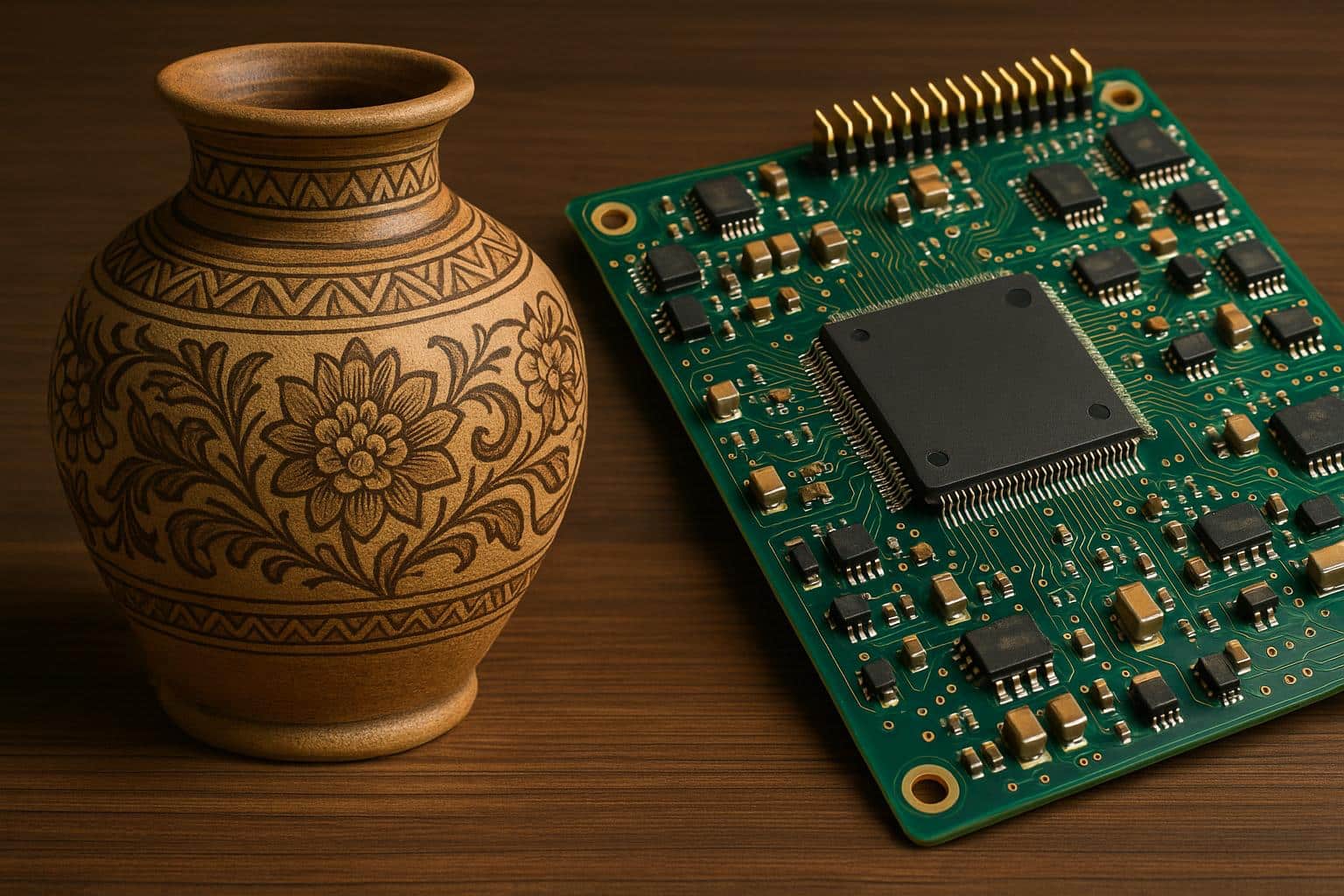
Upright pianos typically require regular maintenance, including tuning and voicing, to preserve their distinctive sound. The tactile feedback and mechanical complexity of uprights are valued by many pianists for their authenticity and responsiveness. However, their size and weight can pose logistical challenges, especially in smaller living spaces.
The Rise of Modern Hybrid Systems
Modern hybrid pianos blend acoustic elements with cutting-edge digital technology, offering flexibility and convenience without sacrificing musical expression. Hybrid systems often incorporate digital sound engines, advanced sensors, and integrated speakers to simulate the feel and resonance of acoustic instruments.
One popular category is digital console pianos, which combine compact design with a range of digital features such as headphone connectivity, recording capabilities, and built-in learning tools. For example, the yamaha piano digital arius provides an accessible entry point for those who prioritize versatility and space-saving design. Hybrids can be ideal for musicians who need to practice quietly, experiment with different sounds, or integrate with modern audio equipment.
Key Differences: Sound, Feel, and Maintenance
When comparing traditional upright pianos and hybrid systems, three factors stand out: sound quality, touch response, and maintenance needs. Uprights deliver authentic acoustic resonance and mechanical action, which many musicians consider irreplaceable. In contrast, hybrids use sampled or modeled sounds, which can closely mimic acoustic tones but may lack the nuanced overtones of real strings and hammers.
Touch response is another important consideration. While some hybrids feature sophisticated key actions that approximate the weight and movement of acoustic keys, traditional uprights offer an unmatched physical connection to the instrument. Maintenance requirements also differ significantly. Uprights need periodic tuning and care, while hybrids are largely maintenance-free and less susceptible to changes in humidity and temperature.
Checklist: How to Choose the Right Piano for You
To streamline your decision-making process, use this checklist to weigh your priorities:
- Sound Preference: Do you desire pure acoustic sound, or is high-quality digital reproduction sufficient?
- Playing Experience: Is authentic touch and responsiveness essential to your playing style?
- Space and Portability: Do you have limited room or the need to move your instrument frequently?
- Practice Needs: Will you benefit from silent play, headphone use, or built-in metronomes?
- Connectivity: Is integration with apps or recording equipment important for your goals?
- Budget: How much are you willing to invest, not only initially but also in ongoing maintenance?
- Aesthetic Value: Does the look and feel of a classic instrument matter to you?
Evaluating these questions can help clarify which features matter most to you and make the selection process more manageable.
Exploring Advanced Hybrid Options
The evolution of hybrid pianos has brought models that bridge the gap even further between tradition and innovation. These instruments often use real wooden keys, advanced sensor technology, and sophisticated sound engines to replicate the nuances of an acoustic piano. The yamaha avant grand series is a notable example, designed to deliver the touch and sound of a concert grand in a more compact, technologically advanced package.
Hybrid pianos can offer the best of both worlds—acoustic realism with added conveniences like volume control, recording, and digital connectivity. For performers and educators, these features can enhance both practice and performance in ways traditional uprights cannot.
Practical Considerations: Environment and Use Case
Your choice may also be shaped by the environment in which you plan to use the piano. For those living in apartments or shared spaces, the silent practice capability of hybrids is invaluable. Schools and studios might favor hybrids for their durability, ease of maintenance, and versatility.
Conversely, professional pianists or those with a deep appreciation for traditional craftsmanship may lean towards upright models for their expressive depth and historical value. If your environment allows for regular acoustic playing without noise restrictions, the organic sound of an upright can be deeply rewarding.
Conclusion
Choosing between traditional upright models and modern hybrid systems involves weighing sound quality, tactile experience, maintenance, and practical needs. While uprights offer unmatched acoustic richness and heritage, hybrids deliver flexibility, convenience, and new creative possibilities. From the authenticity of acoustic craftsmanship to the versatility of digital innovation, each option serves different musical goals and environments. As technology progresses, the lines between tradition and innovation will continue to blur, providing musicians with ever more inspiring choices for personal expression and performance.

