


Tesla is retiring its flagship Model S sedan and Model X SUV, redirecting attention and factory space to its humanoid Optimus program. The decision, disclosed on an investor call, closes a defining chapter for the company’s premium EVs while accelerating a bet that robotics and autonomy will anchor its next phase of growth.
Iconic Model S and Model X EVs Get a Final Production Run
The company told customers that production of Model S and Model X will wind down within months, urging anyone intent on owning one to order soon. Executives emphasized that existing owners will continue receiving service, parts, and software support for the life of their vehicles.
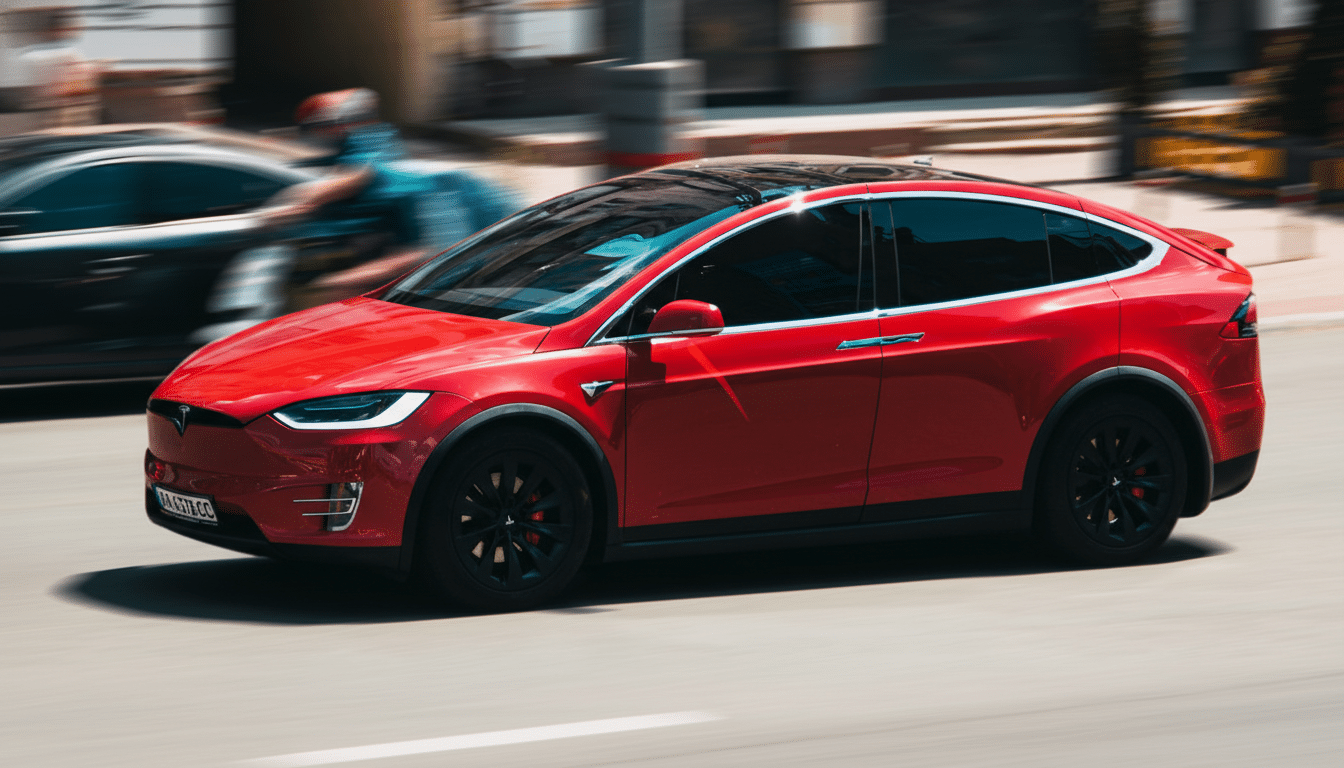
On the earnings call, Elon Musk characterized the move as a respectful send-off to two programs that helped normalize long-range EVs. In Tesla’s view, the center of gravity is shifting to autonomy and intelligent machines, and resources should follow.
Fremont Factory Shifts to Humanoid Robots
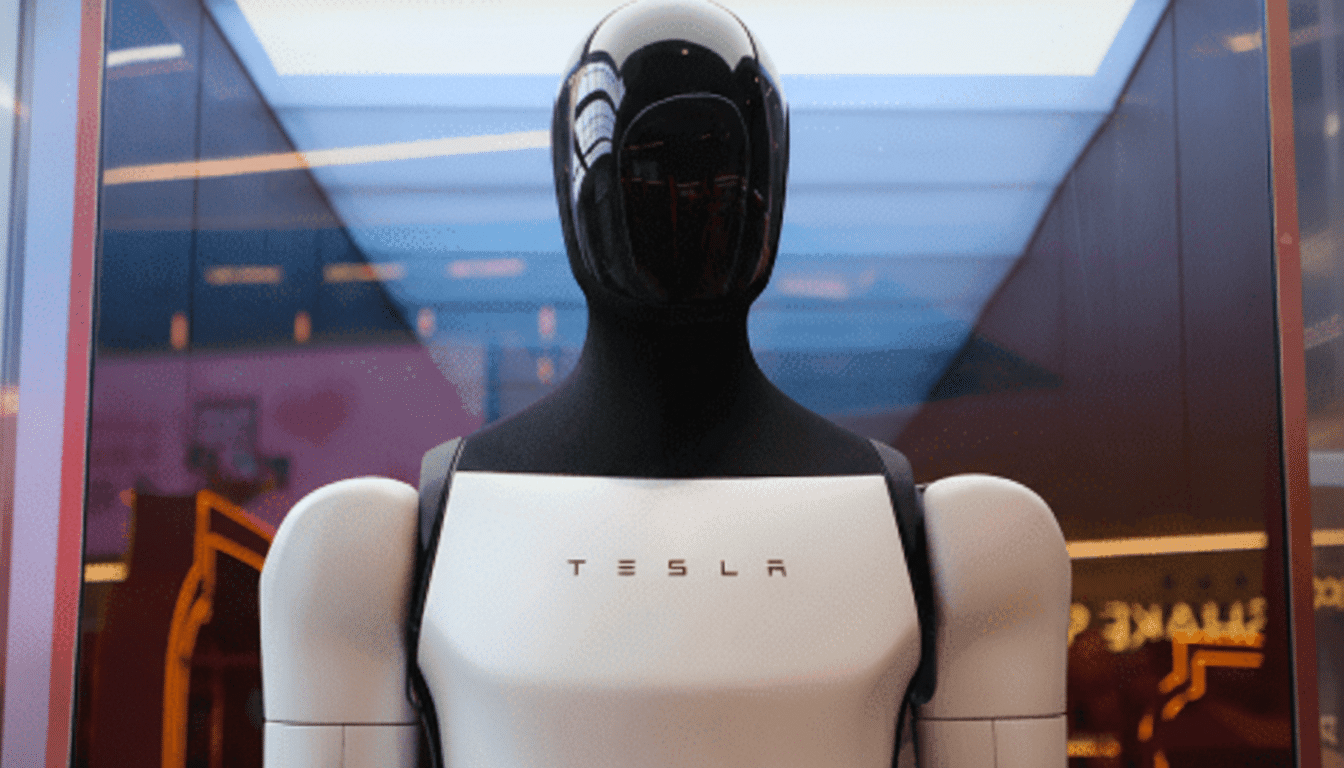
Tesla confirmed that its Fremont, California facility, which currently builds Model S and Model X, will be retooled to produce Optimus. The company said a third-generation Optimus will debut in the near term and is intended to be its first robot designed for mass production.
Tesla also noted “major upgrades” from the current development platform, including a new hand design aimed at better dexterity and manipulation. Musk reiterated an ambition to reach scaled output by late next year and begin sales the year after, with a long-term target of building up to a million units annually, though no timeline was provided for that milestone.
The Business Logic Behind Tesla’s Strategic Pivot
Model S and Model X have become relatively low-volume vehicles as Tesla’s lineup expanded. In recent years, S and X combined have accounted for a small single-digit share of company deliveries, while the Model Y and Model 3 have dominated output and revenue.
Tesla also acknowledged a recent 11% drop in sales, intensifying pressure to redeploy capital toward higher-upside bets. By concentrating on Optimus and advanced autonomy, Tesla is aiming at categories with broader margins and potentially recurring software revenue—an area where the company believes it has a defensible edge.
Implications for Owners and the Tesla Lineup
For current Model S and X drivers, Tesla’s commitment to continued support is critical. The company has historically maintained strong parts availability and over-the-air software updates, and it indicated that this posture will continue. That should help stabilize resale values and ease concerns in the secondary market.
Tesla will keep building Model 3, Model Y, and Cybertruck, sustaining coverage across mainstream and performance segments. Analysts will watch whether freed factory capacity and engineering talent materially accelerate robotics and autonomy timelines without slowing incremental improvements to the remaining vehicle lineup.
A High-Stakes Bet in a Crowded Robotics Race
Tesla’s move drops it squarely into a contest already populated by Agility Robotics, Figure, and Sanctuary AI, among others. Logistics pilots, repetitive factory tasks, and light-duty service roles are the earliest targets across the sector, where reliability, safety, and cost per task will determine winners.
Industry groups such as the International Federation of Robotics have highlighted rapid growth in professional service robots, particularly in warehousing and manufacturing. Consultants including McKinsey have argued that humanoids capable of general-purpose tasks could unlock substantial productivity gains over time, but only if hardware costs fall and software proves robust in unstructured environments.
What Comes Next for Optimus and Tesla’s Product Roadmap
Near-term milestones include the public reveal of the next Optimus generation, details on pilot deployments inside Tesla factories, and clearer unit economics. Watch for disclosures on bill of materials, uptime, and task autonomy—metrics that will signal whether Optimus is moving from flashy demos to dependable, revenue-generating work.
Retiring Model S and X marks a symbolic shift from the era that established Tesla’s brand to one aimed at building embodied AI at scale. If the company can translate its manufacturing discipline and software stack into reliable humanoids, the payoff could be transformative. If not, it will have sidelined two icons to chase a future that remains unproven.
