


Steven Spielberg used a packed SXSW appearance to champion the communal electricity of the arts, pointedly name-checking ballet and opera as art forms that still unite audiences — a remark that landed as a subtle rejoinder to the online backlash surrounding Timothée Chalamet’s recent comments about those traditions.
A Well-Timed Shout-Out at SXSW to Ballet and Opera
Speaking live with Sean Fennessey of The Big Picture podcast, Spielberg reflected on why gathering in the dark to share stories still matters. He framed it not only as the lifeblood of cinema but as a thread running through concerts, ballet, and opera — a line that drew cheers and a knowing wave of applause from the crowd.
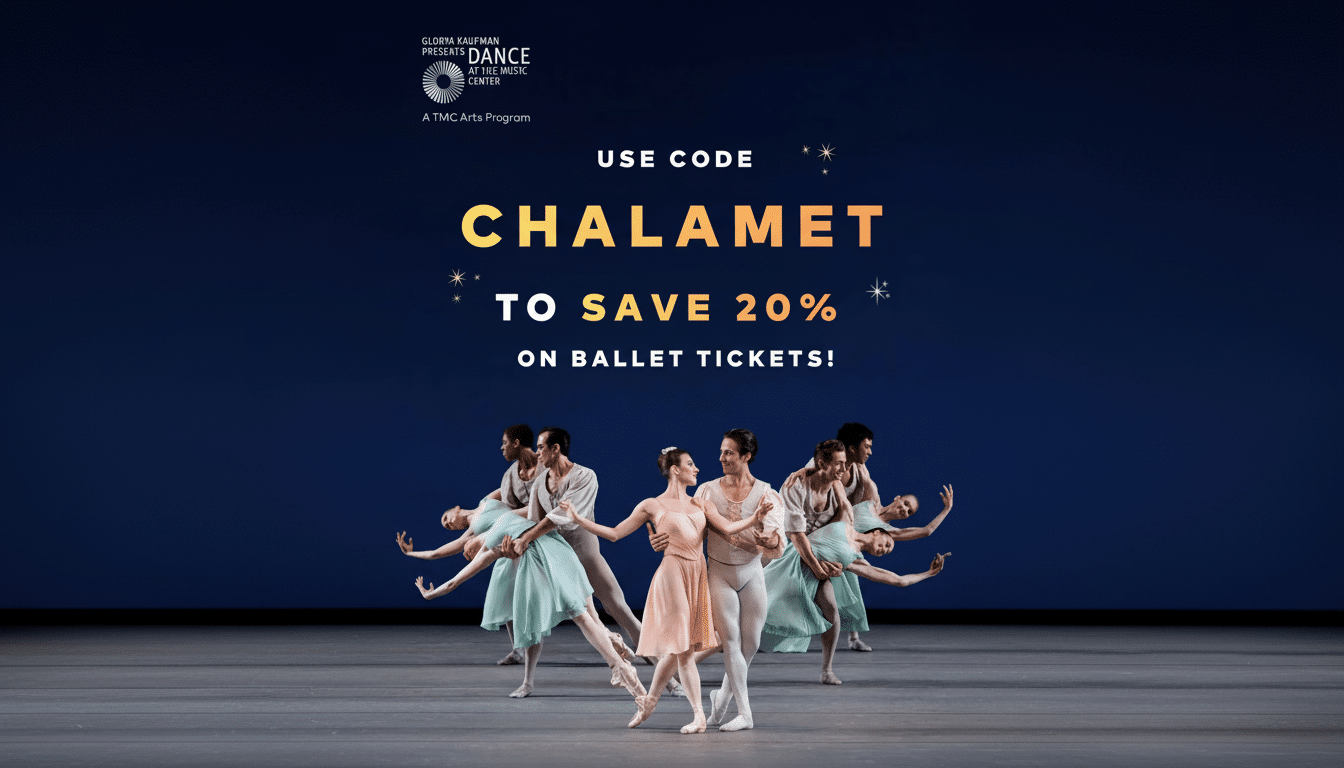
The director emphasized that art’s power multiplies when strangers experience it together and walk out changed in sync. It was classic Spielberg — evangelical about the big-screen ritual but generous toward sister disciplines that rely on the same social alchemy.
Chalamet Remarks Ignite Arts Community Backlash Online
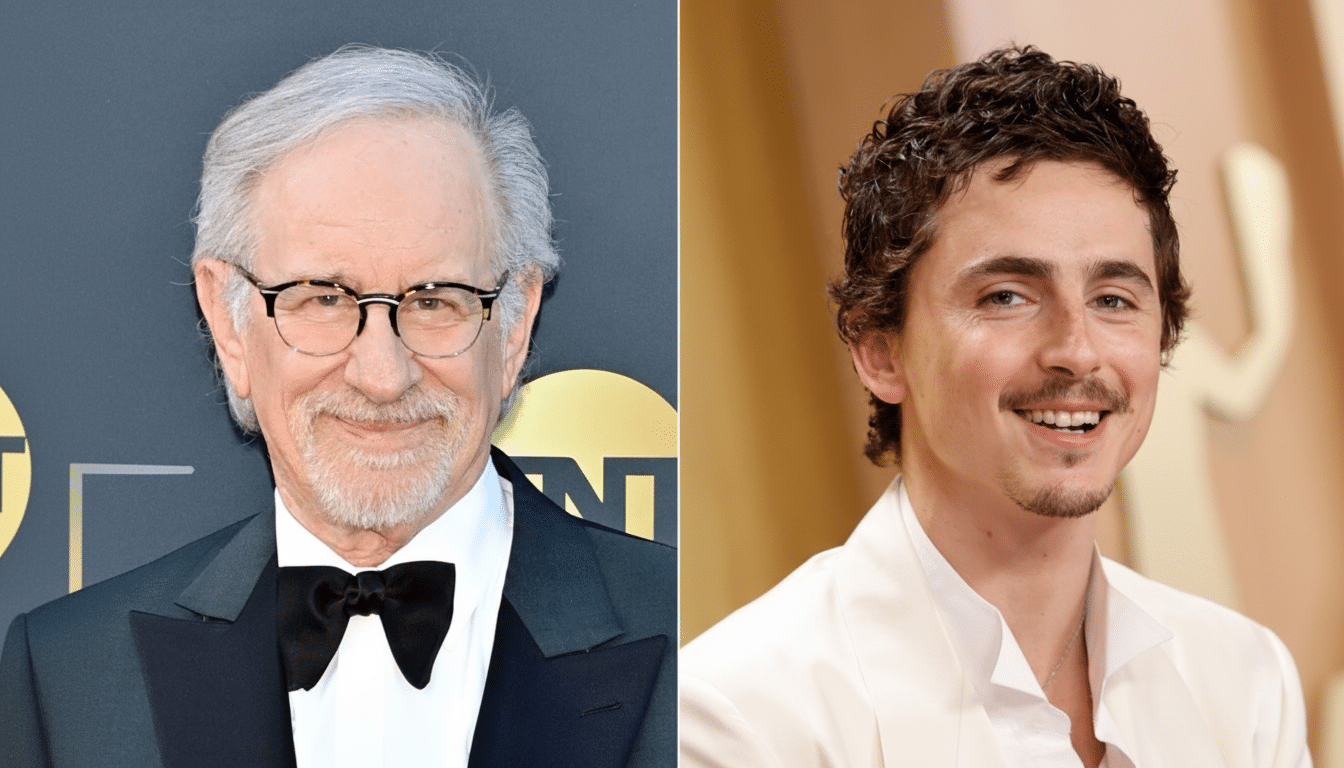
Spielberg’s nod arrived against the backdrop of a viral flap. While promoting a new project in a televised town hall hosted by Variety and CNN alongside Matthew McConaughey, Chalamet joked about not wanting to work in aging institutions propped up out of obligation, invoking ballet and opera as examples and implying that few people care — before tacking on a respectful caveat.
The quip ricocheted across social media and drew swift rebuttals from dancers and opera professionals. New York City Ballet principal Tiler Peck responded that ballet and opera are sustained by large communities of artists, musicians, and craftspeople — and by audiences who show up. Misty Copeland underscored that endurance itself is evidence of relevance, noting that these forms have evolved and persisted for centuries because they still move people.
None of this makes the economics simple. Like movie theaters, ballet companies and opera houses are negotiating post-pandemic habit shifts and a fragmented attention economy. But to many practitioners, “no one cares” misses the ground truth of who fills seats and why.
Numbers Tell a More Nuanced Story About Live Arts
Public participation data suggests complexity, not collapse. The National Endowment for the Arts’ Survey of Public Participation in the Arts has documented uneven attendance patterns for classical forms, especially through the pandemic’s disruption, but it also shows persistent audiences and growing digital engagement for live performance content.
Consider opera’s cinema experiment: since 2006, the Metropolitan Opera’s Live in HD series has sold tens of millions of tickets worldwide, turning movie theaters into communal opera houses and nurturing a new pipeline of fans who often graduate to in-person performances. That same crossover logic has fueled ballet streams and theatrical screenings from the Royal Ballet and Paris Opera Ballet, which routinely draw international viewers beyond local stages.
On the ground, marquee staples still anchor seasons. Major companies in the U.S. and Europe depend on The Nutcracker’s reliable sell-through during the holidays — a perennial reminder that tradition can be an on-ramp, not a dead end. Meanwhile, contemporary commissions have become a growth lever: Opera America and Dance/USA both highlight the role of new works and community partnerships in broadening audiences, from site-specific performances to collaborations with pop musicians and filmmakers.
In other words, the audience is changing shape, not vanishing — a pattern familiar to Hollywood as it rebuilds the theatrical habit with event releases and premium experiences.
Why Spielberg’s Framing Resonates Across Live Arts
Spielberg has long argued that the collective rush of a full house is part of the art, not just the business model. His SXSW aside positioned ballet and opera inside that same circle of shared immersion. It was also a practical observation: hybrid models now weave these disciplines together. Opera crowds gather in multiplexes; filmgoers discover ballet through movie musicals and prestige dramas; and choreographers bridge the forms.
His own work reflects that cross-pollination. West Side Story recruited New York City Ballet’s Justin Peck to reimagine Jerome Robbins’ choreography for the screen, bringing ballet-trained dancers and sensibilities into a mainstream cinematic event. The result illustrates a simple point: audiences don’t experience art in silos.
The Takeaway: Shared Spaces Keep the Arts Alive Together
Spielberg didn’t scold; he reframed. By saluting ballet and opera in a conversation about the magic of a crowd locking in together, he redirected the discourse from hot takes to first principles. Whether it’s a premiere at a movie palace, a Saturday matinee at the ballet, or an opera broadcast in a small-town cinema, the underlying promise is the same: a room full of strangers, paying attention, and leaving a little more connected than they arrived.

