


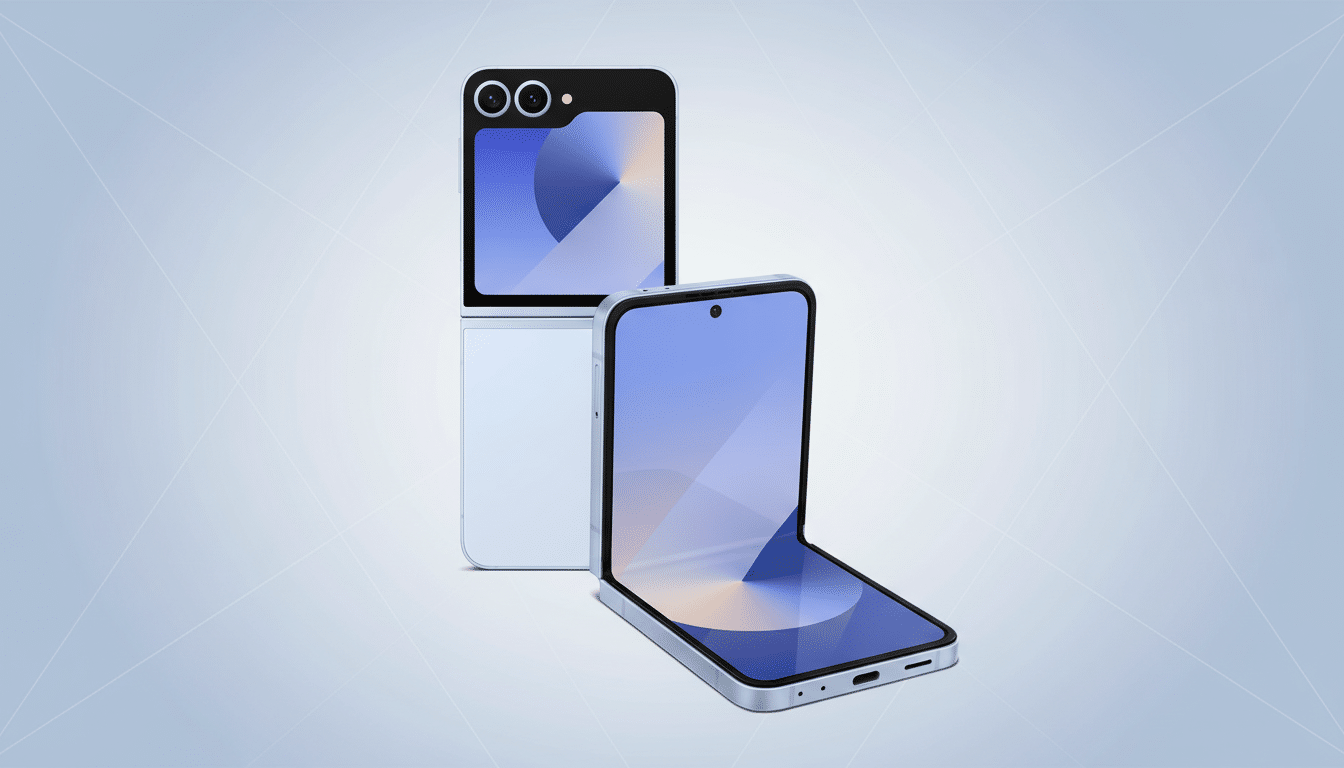
Peter Parker’s phone just sparked a thousand hot takes. In the first trailer for Brand New Day, the friendly neighborhood web-slinger casually whips out what appears to be a Samsung Galaxy Z Flip, props it face down on a gritty ledge, doomscrolls Reels, and snaps it shut before diving off a building. The moment lasts seconds, but online chatter has been relentless.
Why the frenzy? Historically, live-action Spider-Man films have leaned on Sony Xperia handsets, a natural byproduct of Sony’s stewardship of the character on the big screen. A visible switch to Samsung’s foldable is more than a background detail; it’s a cultural signal about where the smartphone conversation—and Hollywood product placement—is heading.
A Break From Spider-Man’s Longstanding Xperia Past
From the Andrew Garfield era’s Sony Ericsson and early Xperia cameos to Tom Holland-era scenes that tucked Sony hardware into classroom and apartment shots, the brand tie-in has been a steady constant. That’s normal in blockbuster filmmaking: studios often align with in-house or partner brands to keep visual cohesion and amplify marketing muscle.
This time, the hero’s pocket tells a different story. A Galaxy Z Flip in a marquee trailer suggests either a broader marketing arrangement or a creative choice to portray a device that feels current, playful, and instantly recognizable on camera. The Flip’s clamshell snap and square cover screen deliver cinema-friendly motions that a slab phone simply can’t match.
Why a Flip Phone Fits the Moment for Spider-Man
Foldables have shifted from oddities to everyday conversation starters. Industry trackers like IDC and Counterpoint Research reported double-digit growth for foldable shipments in the past year, with Samsung still leading global share. The Flip line, in particular, skews younger and more style-driven, often appearing in K‑pop videos, prestige TV, and fashion shoots—exactly the kind of halo Spider-Man taps into.
There’s also a practical storytelling angle. The Z Flip’s compact pocketability reads as “urban commuter,” while its hands-free Flex mode suits the superhero life for quick selfies, calls, or video messages in tight spaces. It’s a prop that communicates personality in a single movement: flick open, snap shut, keep moving.
Fans Zero In on Peter’s Wallet and Phone Choice
The loudest reaction wasn’t about brand loyalty—it was about money. Canonically, post–No Way Home Peter is scraping by, so fans questioned how a broke student lands a premium foldable. The Flip line typically launches around the $999–$1,099 range in the U.S., depending on storage and promotions, and that sticker shock fueled memes about choosing flagship phones over rent.
Of course, movies aren’t receipts. Characters use aspirational tech all the time, and product placements often mean devices don’t follow real-world budgets. Still, the dissonance resonated: a superhero with a threadbare bank account wielding a flashy foldable is juicy internet fodder.
Product Placement and Corporate Chess in Hollywood
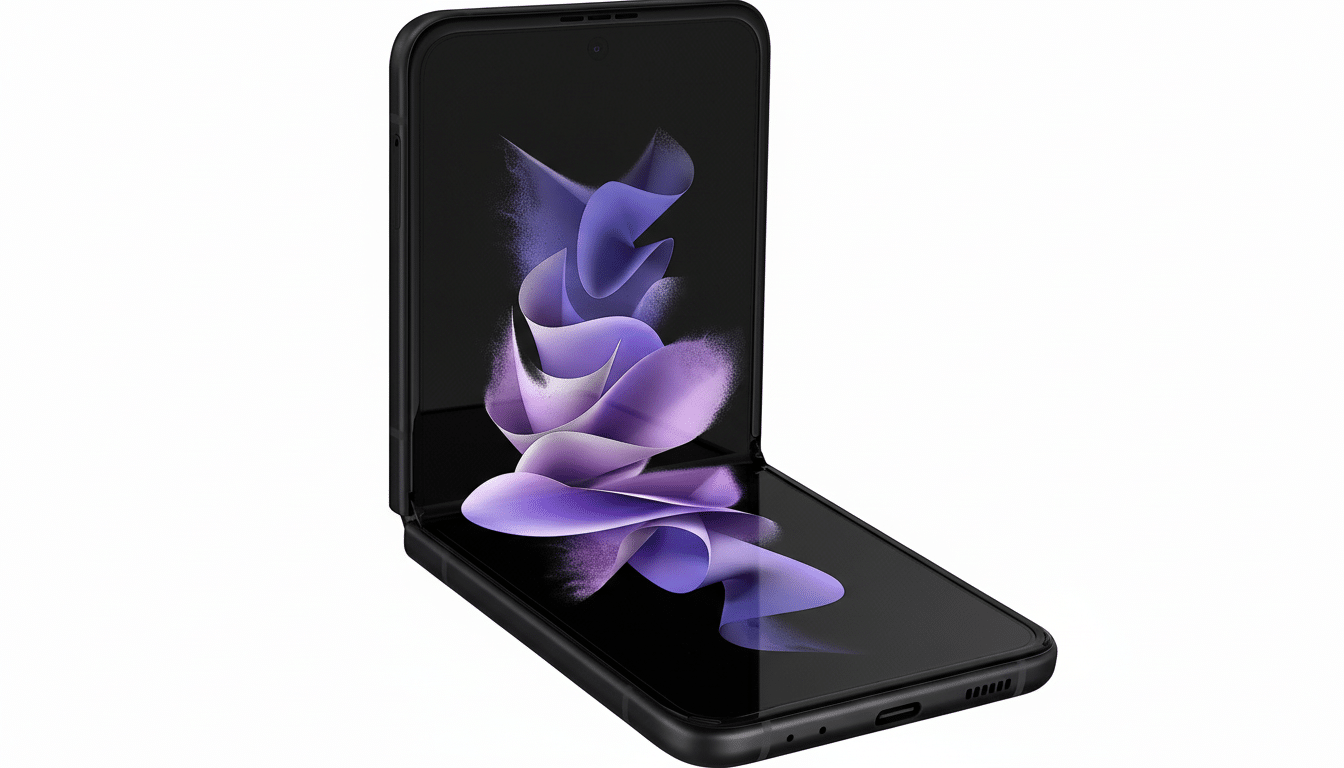
Brands and blockbusters have always danced. James Bond toggled from Sony to Nokia; Tony Stark showcased Audis; streaming hits regularly rotate phone partners season to season. A potential Samsung cameo in a Spider-Man film underscores how flexible these deals can be, even amid long-standing studio-brand ties.
For Samsung, the upside is clear: a hero shot in one of cinema’s most bankable franchises accelerates mainstream validation for foldables. For Sony’s Xperia, it’s a missed spotlight at a time when the brand remains a niche player in the U.S., where analyst estimates often place its share well below 1%. Visibility in tentpole films matters, even if it doesn’t immediately move market-share needles.
Nerd Notes on the Trailer Close-Up and Device Risks
Tech watchers winced when Peter parked the Flip screen-down on corroded metal. Past Galaxy Z Flip models used Gorilla Glass Victus on the exterior and featured IPX8 water resistance, which helps against immersion but not dust. Hinges have improved significantly since early generations, and Samsung advertises durability testing to 200,000 folds, yet any grit near a flexible display is still a bad idea—especially on a rooftop.
The scroll-and-snap gesture also highlighted why clamshells thrive on camera: motion sells. That tactile close is as much branding as utility, embedding the device’s identity into the scene without a single line of dialogue.
What This Signals For The Smartphone Hype Cycle
Big-screen cameos tend to mirror inflection points. When characters in global franchises start carrying foldables, it signals confidence that the format isn’t just a tech demo—it’s a lifestyle object. If the Flip keeps showing up in A‑list productions, expect even more consumers to try it the next time trade-in deals stack up.
For now, the internet is doing what it does best: parsing a two-second clip like it’s the Zapruder film. Whether you read the moment as a subtle brand pivot or just a slick prop choice, one thing’s clear—Spider-Man’s latest accessory is shaping the conversation well beyond the multiverse.

