


Making the most of every square foot has become a priority for many homeowners. A larger home is not always the answer when space starts to feel limited. Thoughtful planning often delivers better results while helping homeowners get more value from the space they already have. Small adjustments can improve functionality, increase comfort, and make daily routines more efficient.
Every area of a home has the potential to serve a greater purpose. Furniture choices, storage solutions, room layouts, and renovation projects all play a role in creating a more practical living environment. A well-organized home feels more spacious because every element has a clear purpose and place.
- Choose Multi-Purpose Furniture for Everyday Flexibility
- Transform Underused Areas Into Functional Living Spaces
- Make Vertical Space Work Harder
- Create Defined Zones Within Open Spaces
- Maximize Storage in Unexpected Places
- Improve Room Layouts for Better Movement
- Use Light and Color to Enhance Perceived Space
- Design Outdoor Areas as Extensions of the Home
Choose Multi-Purpose Furniture for Everyday Flexibility
Furniture often takes up the largest share of usable floor space, which makes it one of the most important factors in space planning. Pieces that serve multiple purposes help homeowners maximize functionality without overcrowding rooms.
A storage ottoman, for example, provides seating while offering a convenient place to store blankets, books, or seasonal items. Sofa beds can transform a living room into a comfortable guest space when needed. Expandable dining tables create flexibility for both everyday meals and larger gatherings.
Transform Underused Areas Into Functional Living Spaces
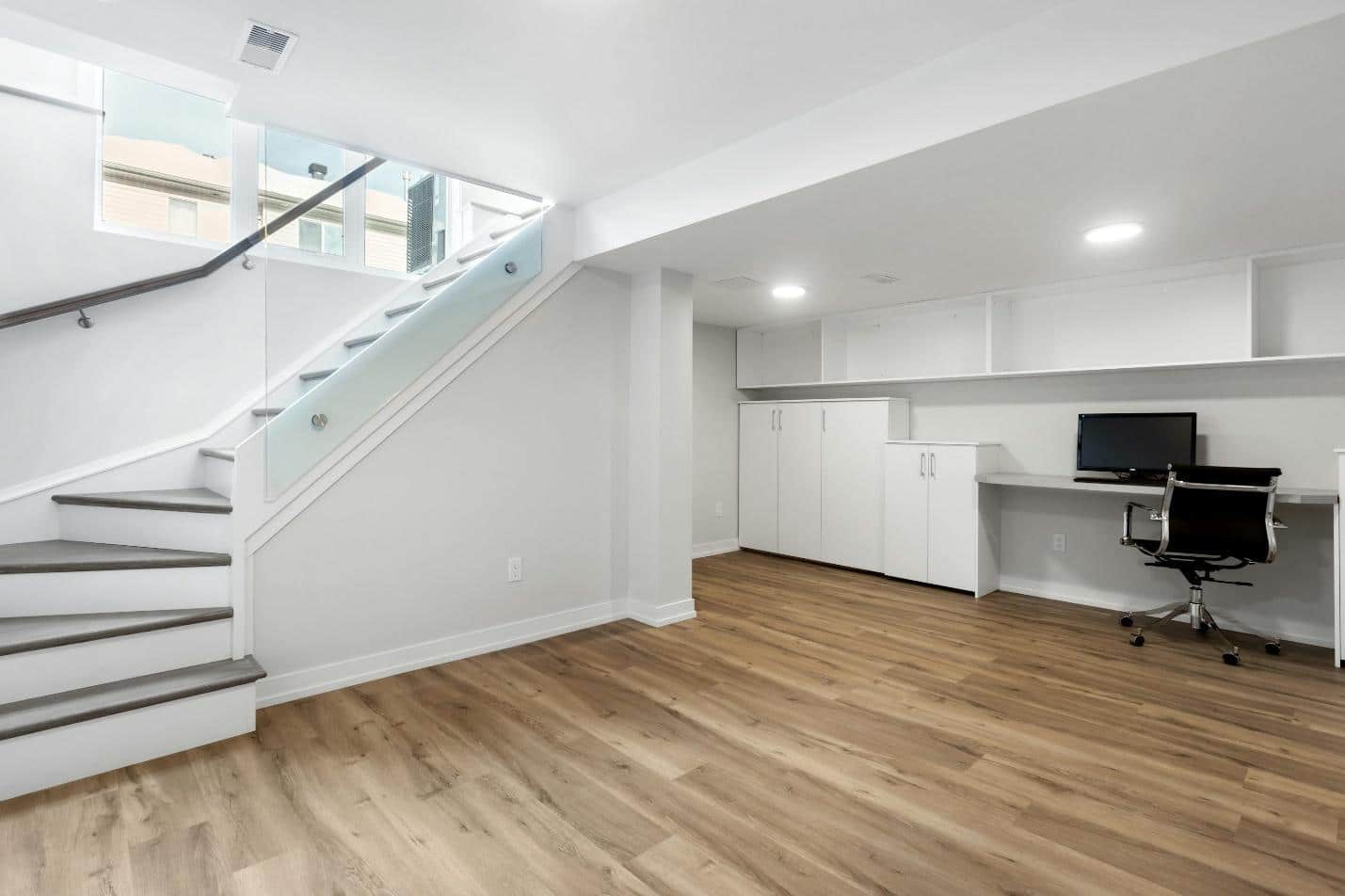
Many homes contain areas that receive little attention despite offering significant potential. Basements are among the most overlooked spaces, often becoming storage zones rather than functional extensions of the home.
A finished basement can support a wide range of needs. Some homeowners create entertainment rooms for family gatherings, while others prefer home offices, fitness areas, guest suites, or hobby rooms. Each option adds practical living space without requiring a costly home addition. A well-planned basement renovation can significantly increase usable square footage without expanding the home’s footprint. Professionals from a renowned finished basement company allow homeowners to transform underused lower levels into practical and attractive living spaces. Their expertise helps homeowners avoid costly mistakes, optimize layouts, and ensure the finished space meets both functional and aesthetic goals.
Make Vertical Space Work Harder
Floor space is often limited, but wall space frequently remains underused. Vertical storage solutions offer an effective way to increase capacity while preserving an open and organized layout.
Tall shelving units provide room for books, decorative items, and everyday essentials without occupying a large footprint. Wall-mounted cabinets create additional storage in kitchens, bathrooms, and laundry rooms. Floating shelves offer practical storage while contributing to a clean and modern appearance. Hooks, pegboards, and hanging organizers can also improve functionality in entryways, garages, and utility spaces. These solutions keep frequently used items within reach while reducing clutter on floors and countertops.
Create Defined Zones Within Open Spaces
Open-concept layouts remain popular because they create a bright and spacious atmosphere. Clear organization is essential, however, to ensure these areas remain functional and comfortable.
Defined zones help each section of the room serve a specific purpose. A living area can be distinguished through furniture placement, while a dining space can be anchored with a table and lighting fixture. A small workspace can fit naturally into an unused corner without disrupting the overall design. Area rugs, shelving units, and seating arrangements can provide subtle separation between different functions. These visual boundaries create structure while preserving the openness that makes these layouts appealing.
Maximize Storage in Unexpected Places
Effective storage often comes from areas that are easy to overlook. Small spaces hidden throughout the home can provide valuable storage opportunities when used strategically. The area beneath a staircase can accommodate custom shelving, cabinets, or pull-out drawers. Space under beds works well for seasonal clothing, extra bedding, or rarely used items. Built-in benches with hidden compartments add storage while providing additional seating.
Bathroom vanities, hallway nooks, and unused wall recesses can also support creative storage solutions. Careful planning allows homeowners to store more belongings without adding bulky furniture that consumes valuable floor space.
Improve Room Layouts for Better Movement
A room can feel cramped even when it contains enough square footage. Poor furniture placement often creates unnecessary obstacles that disrupt movement and make the space feel smaller than it actually is. A thoughtful layout improves both functionality and comfort.
Clear pathways should remain a priority when arranging furniture. Large pieces positioned too close together can make navigation difficult and create a sense of congestion. Moving furniture a few inches or eliminating an unnecessary item can significantly improve flow throughout the room.
Use Light and Color to Enhance Perceived Space
Visual design has a powerful influence on how large or small a room feels. Strategic use of light and color can create the impression of greater openness while making interiors more inviting. Natural light remains one of the most effective tools for enhancing spaciousness. Large windows, sheer curtains, and unobstructed views allow sunlight to move freely throughout a room. Spaces with abundant natural light often feel brighter and more expansive.
Color choices also affect perception. Light, neutral shades reflect more light and contribute to an airy atmosphere. Soft whites, warm beiges, and subtle grays can help rooms feel larger while maintaining a welcoming appearance.
Design Outdoor Areas as Extensions of the Home
Outdoor spaces often represent untapped square footage that can support everyday living. A well-designed patio, deck, or backyard can function as a natural extension of the home and increase overall usability.
Outdoor dining areas create additional space for meals and entertaining. Comfortable seating arrangements can establish a relaxing environment for reading, socializing, or spending time with family. Some homeowners even create outdoor workspaces that provide a refreshing alternative to indoor settings. Functionality should guide design decisions. Weather-resistant furniture, adequate lighting, and practical layouts help outdoor areas remain useful throughout much of the year.
Maximizing every square foot of a home starts with making intentional choices about how space is used. Multi-purpose furniture, finished basements, vertical storage, defined zones, and creative storage solutions all contribute to a more efficient living environment. Layout improvements, strategic design choices, and functional outdoor spaces further enhance comfort and usability.
Every home contains opportunities for better space management. Small adjustments can produce noticeable improvements, while larger upgrades can unlock the potential of underutilized areas. A thoughtful approach allows homeowners to create spaces that support their lifestyles, reduce clutter, and improve daily living.

